
The Easy Way to Multiply Your Rhipsalis Trigona: Mastering Propagation
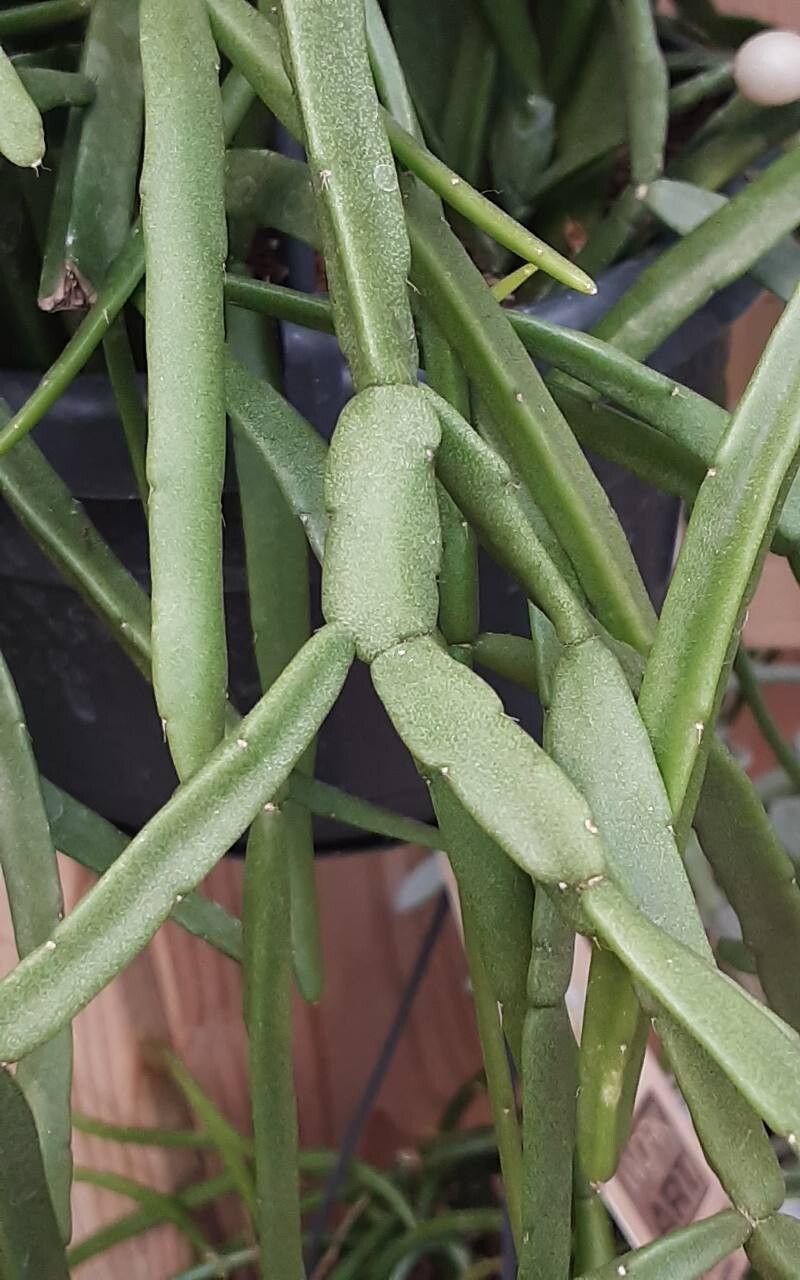
The Rhipsalis trigona, affectionately nicknamed the “Drunkard’s Dream” for its whimsical cascading branches, is a unique and surprisingly low-maintenance succulent. This epiphytic cactus, native to South American rainforests, thrives on neglect and adds a touch of jungle charm to any space. If you’re lucky enough to have one gracing your home, you might be wondering how to get more of this fascinating plant. The good news is, propagating Rhipsalis trigona is surprisingly simple!
This guide walks you through two effective methods for multiplying your “Drunkard’s Dream”:
1. Stem Cuttings: A Cut Above the Rest
Stem cuttings are the most popular and straightforward way to propagate Rhipsalis trigona. This method harnesses the plant’s natural ability to regenerate, allowing you to grow a whole new plant from a single segment.
Here’s how it’s done:
- Choose the right cutting: Select healthy, mature stems that are at least 3-4 inches long. Avoid sections that are too young, damaged, or showing signs of disease.
- Make the cut: Using clean, sharp scissors or pruning shears, cut the stem at a slight angle just below a node (the slightly raised area where leaves emerge).
- Let it callus: Allow the cut end of the stem to dry and form a callus; this usually takes about 2-3 days. This step is crucial to prevent rot once the cutting is planted.
- Potting time: Fill a small pot with a well-draining soil mix specifically formulated for cacti and succulents. Make a small indentation in the soil and gently insert the callused end of the cutting about an inch deep.
- Water wisely: Water the cutting sparingly, only when the soil feels dry to the touch. Overwatering is the biggest enemy of Rhipsalis trigona cuttings, so err on the side of caution.
- Patience is key: Place the potted cutting in a bright, indirectly lit location. Avoid direct sunlight, as it can scorch the developing roots. Within a few weeks, you should start to see new growth, indicating successful rooting.
2. Division: Divide and Conquer
For those with a mature Rhipsalis trigona boasting multiple stems, division is another effective propagation method.
Here’s how it works:
- Unpot the plant: Gently remove the entire plant from its pot, loosening the soil around the roots to minimize damage.
- Identify division points: Carefully examine the plant and locate points where you can separate individual stems or clusters with established root systems.
- Separate the sections: Gently tease apart the chosen sections, making sure each division has a good amount of roots attached.
- Pot them up: Plant each division in a separate pot filled with the appropriate well-draining soil mix.
- Water and care: Water the newly potted divisions lightly, allowing the soil to dry out between waterings. Place the pots in bright, indirect light and watch as your divisions quickly adapt and thrive.
No matter which method you choose, propagating your Rhipsalis trigona is a rewarding experience. Not only will you be able to enjoy more of this captivating plant, but you’ll also gain a deeper appreciation for its resilience and adaptability. So, grab your gardening tools and get ready to multiply your “Drunkard’s Dream”!