
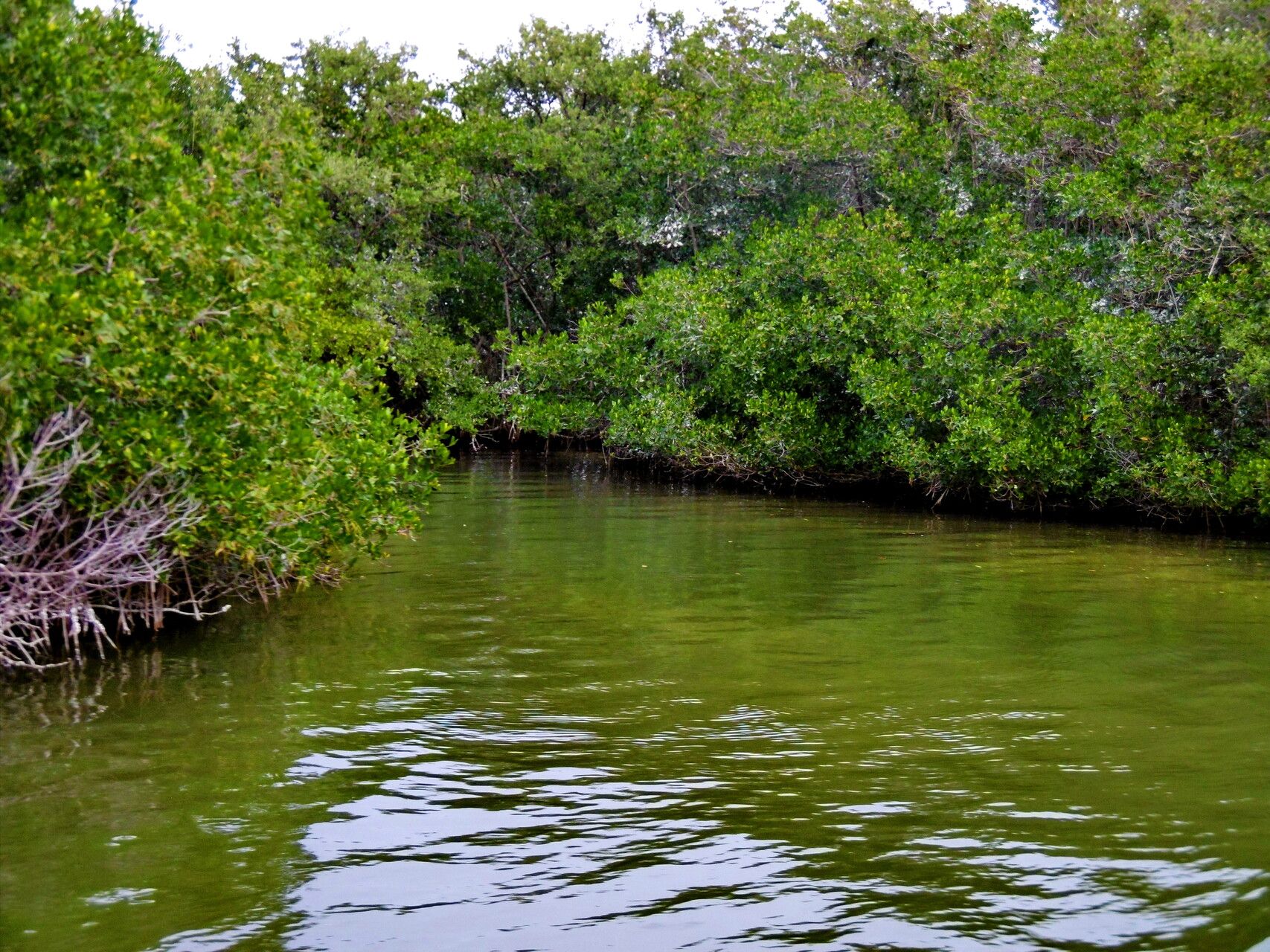
Mangroves Made Easy: Propagating Rhizophora Mangle at Home
The red mangrove, Rhizophora mangle, is an ecological superhero. Its iconic, tangled roots create a haven for marine life, protect coastlines from erosion, and filter pollutants from the water. While best admired in their natural habitat, you can cultivate these fascinating trees at home with a bit of know-how. Let’s dive into the world of propagating Rhizophora mangle, a surprisingly accessible and rewarding endeavor.
Understanding the “Propagules”
Forget seeds – red mangroves utilize a unique method of reproduction called viviparity. Instead of dormant seeds, they produce propagules, which are essentially live, miniature trees. These elongated, cigar-shaped structures develop directly on the parent tree, receiving nutrients and maturing while still attached. This gives them a head start when they eventually drop into the water, ready to take root wherever they land.
Propagating from Propagules:
Sourcing Propagules: While you can occasionally find propagules washed ashore near mangrove forests, it’s best to source them responsibly. Online retailers specializing in aquatic plants often carry Rhizophora mangle propagules.
Preparation: Once you receive your propagules, examine them for any damage or signs of decay. Healthy propagules are firm, green at the top, and reddish-brown towards the pointed end.
Planting: Unlike most plants that require seeds to be buried, Rhizophora mangle propagules grow best when partially submerged.
Water Method: Fill a clear glass container with a mixture of saltwater (use marine salt, not table salt) and freshwater. The salinity should be around half the strength of seawater. Suspend the propagule vertically with the pointed end down, ensuring the top third remains above the waterline.
- Substrate Method: You can also plant the propagule directly into a pot filled with a well-draining, sandy mixture. Bury only the pointed end, leaving the top exposed. Keep the substrate consistently moist with saltwater solution.
Location & Care: Place your planted propagule in a bright location, ideally receiving several hours of direct sunlight daily. Maintain a warm temperature between 75-85°F (24-29°C).
- Patience is Key: Within a few weeks, you should start to see roots emerging from the pointed end and leaves sprouting from the top. As the mangrove grows taller, you can gradually increase the water level or add more substrate to support the developing root system.
Creating a Mangrove Microcosm:
While a single Rhizophora mangle in a container makes a fascinating statement piece, you can create a captivating mangrove microcosm by grouping several propagules. Use a larger tank or container and incorporate different levels to mimic their natural environment. Adding sand, rocks, and other salt-tolerant aquatic plants will enhance the aesthetic appeal while providing shelter for small fish or invertebrates.
A Rewarding Experience:
Propagating Rhizophora mangle is an engaging and educational experience. It fosters appreciation for these incredible trees and their vital role in our ecosystem. Seeing a mangrove flourish from a propagule into a thriving plant is a rewarding reminder of nature’s resilience and our ability to contribute to its preservation, even in our own homes.