
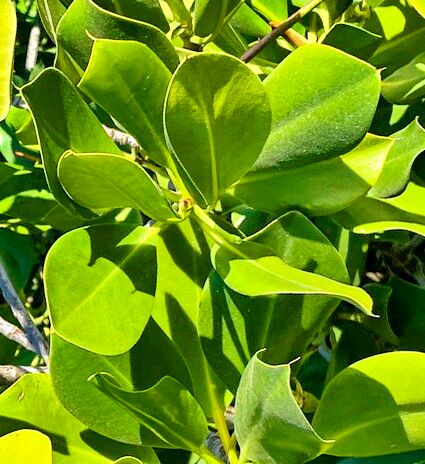
From Seed to Shore: The Amazing Propagation Journey of the Rhizophora stylosa
You might not know its name, but you’ve likely seen the Rhizophora stylosa, also known as the black mangrove, gracefully swaying in the coastal ecosystems of the tropics. This unique tree is a pioneer, thriving in the harsh saltwater environments where few other plants can survive. But how does it do it? How does this crucial species, integral to coastal stability and marine life, reproduce and spread? The answer lies in its fascinating propagation methods, a journey from seed to shore that is both resilient and adaptable.
A Seed With a Plan:
The black mangrove’s journey begins with a peculiar seed. Unlike many trees, the Rhizophora stylosa doesn’t release its seeds directly into the environment. Instead, it sprouts them while they are still attached to the parent tree! Known as viviparous germination, this process ensures the seed has a head start, developing into a young seedling called a propagule before even detaching.
A Fall and a Float:
Once the propagule matures, it falls into the water. This is no ordinary fall, though. The propagule is incredibly buoyant, thanks to its spongy, water-resistant bark. This helps it float on the surface of the water, often for weeks or even months, traveling with ocean currents and tides.
Ready to Root:
As the propagule journeys, its journey is guided by its unique anatomy. The propagule’s pointed end points downward, ensuring that when it finally settles, it’s ready to root in the mud. This remarkable directional growth ensures the propagule lands in the optimal position for survival.
The Power of Salt:
Saltwater, the enemy of many plants, is actually vital for the black mangrove’s success. The propagule can survive long periods immersed in saltwater, only beginning to root when it finds suitable conditions. This resilience is key to the species’ ability to colonize new environments.
Anchoring the Future:
Once settled in the mud, the propagule’s roots quickly anchor it firmly. It then begins to grow, establishing itself as a new black mangrove tree. This process can happen quickly, with the mature tree eventually reaching heights of up to 30 meters!
Beyond the Mangrove:
The black mangrove’s unique propagation method, a combination of viviparous germination, water dispersal, and salt tolerance, contributes to the success of this vital coastal species. The mangrove forests it forms are crucial ecosystems. They provide habitat for a plethora of animals, protect coastlines from erosion, filter pollutants, and even play a vital role in carbon sequestration.
The Importance of Preservation:
As our oceans face increasing pressures from climate change and human activities, protecting the black mangrove and its fascinating method of propagation is crucial. By understanding its unique adaptations and the vital role it plays in coastal ecosystems, we can better recognize the need to conserve this remarkable species and the critical role it plays in the health of our planet.