
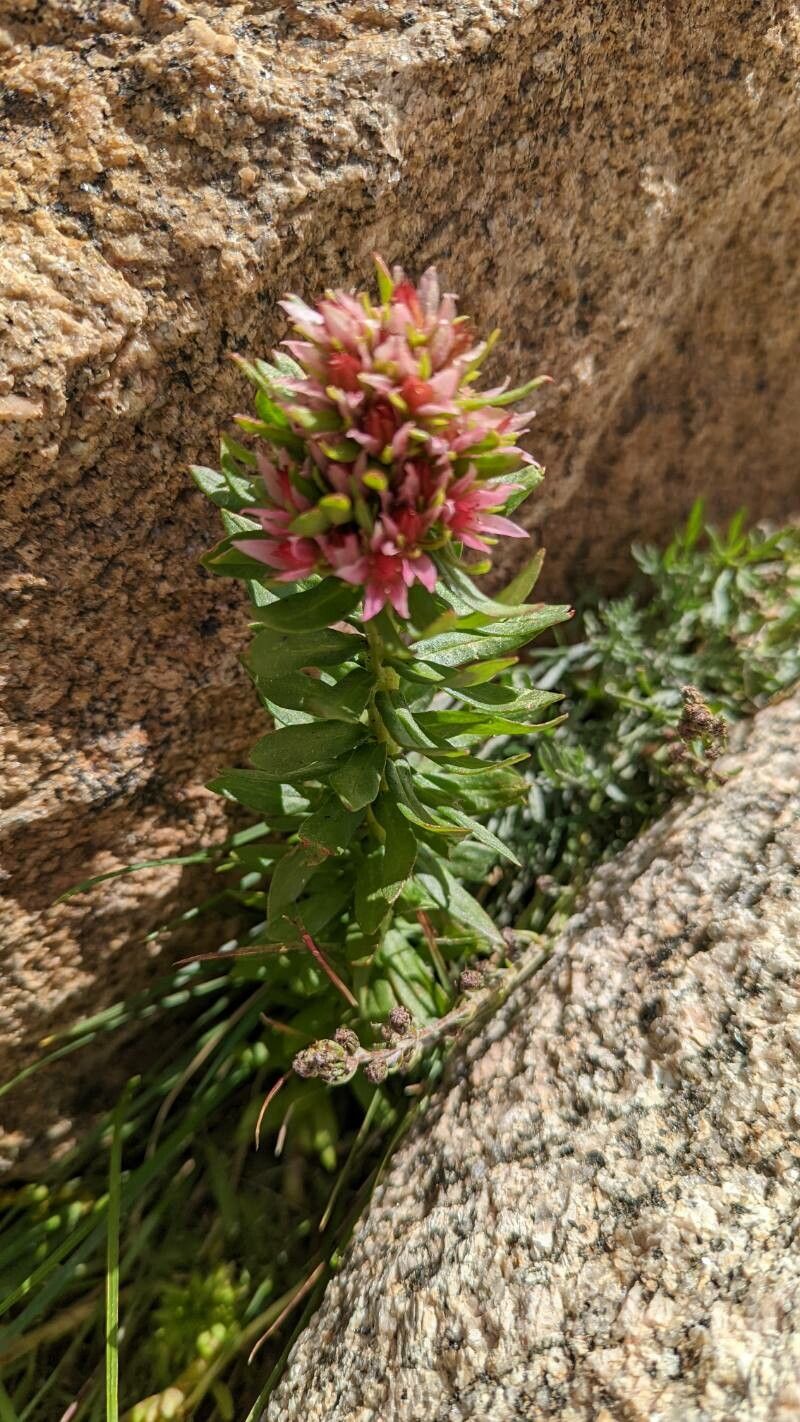
Rooting for Rhodiola: Propagating Your Own “Rose Root”
Rhodiola rhodantha, also known as “Rose Root”, is a captivating succulent with a fascinating history and a wealth of medicinal uses. If you’re a plant enthusiast eager to expand your collection or a gardener looking to share this remarkable plant, propagation is an excellent way to do so. This article explores the two main methods of propagating Rhodiola rhodantha: division and cuttings.
Division: A Quick and Easy Path to New Plants
Division is the most straightforward method for multiplying Rhodiola rhodantha. This technique works best in the spring or fall when the plant is actively growing but not in full bloom.
- Gentle Excavation: Carefully dig up the mature Rhodiola plant, taking care not to disrupt the root system too much.
- Separation: Gently separate the plant into smaller clumps, ensuring each division has healthy foliage and a strong root system.
- Replanting: Prepare new planting locations with well-draining soil and amend it with a bit of compost for added nutrients. Plant the divisions at the same depth they were originally, spacing them adequately for growth.
Cuttings: Expanding Your Rhodiola Inventory
Stem cuttings provide another viable path to propagating Rhodiola rhodantha. This method allows you to create multiple new plants from a single parent plant.
- Preparing the Cuttings: Choose healthy stems from the current year’s growth. Cut the stems just below a leaf node, leaving a length of about 4-6 inches.
- Preparing the Cuttings: Remove the bottom leaves, leaving just a few at the top.
- Callusing the Cuttings: Allow the cuttings to callus over for a day or two in a dry, shaded location. This helps prevent rot when the cutting is placed in soil.
- Planting: Choose a well-draining potting mix and fill small pots or trays. Plant the cuttings in the soil, ensuring about an inch is buried. Keep the soil moist.
- Patience: The cuttings will likely take several weeks to develop roots. Provide bright, indirect light and maintain consistent moisture.
Tips for Successful Propagation
- Watering: Water regularly but avoid overwatering, as this can lead to root rot.
- Light: Provide ample bright, indirect light or partial shade.
- Soil: Use well-draining soil that is slightly acidic to neutral.
- Temperature: Rhodiola rhodantha prefers cool temperatures, especially during the rooting process.
- Patience: Propagation takes time, so be patient and give your plants the optimal environment to thrive.
Beyond Propagation: The Benefits of Rhodiola Rhodantha
Rhodiola rhodantha is known for its adaptogenic properties, meaning it helps the body adapt to stress and promotes overall well-being. Its roots have been used in traditional medicine for centuries to combat fatigue, improve mental clarity, and boost the immune system. Whether you use it for its medicinal value or its striking beauty, propagating Rhodiola rhodantha is a rewarding experience.
Growing your own Rhodiola enables you to enjoy the numerous benefits it offers while appreciating the satisfaction of nurturing life. So dive in, experiment with these methods, and enjoy the captivating world of Rhodiola rhodantha.