
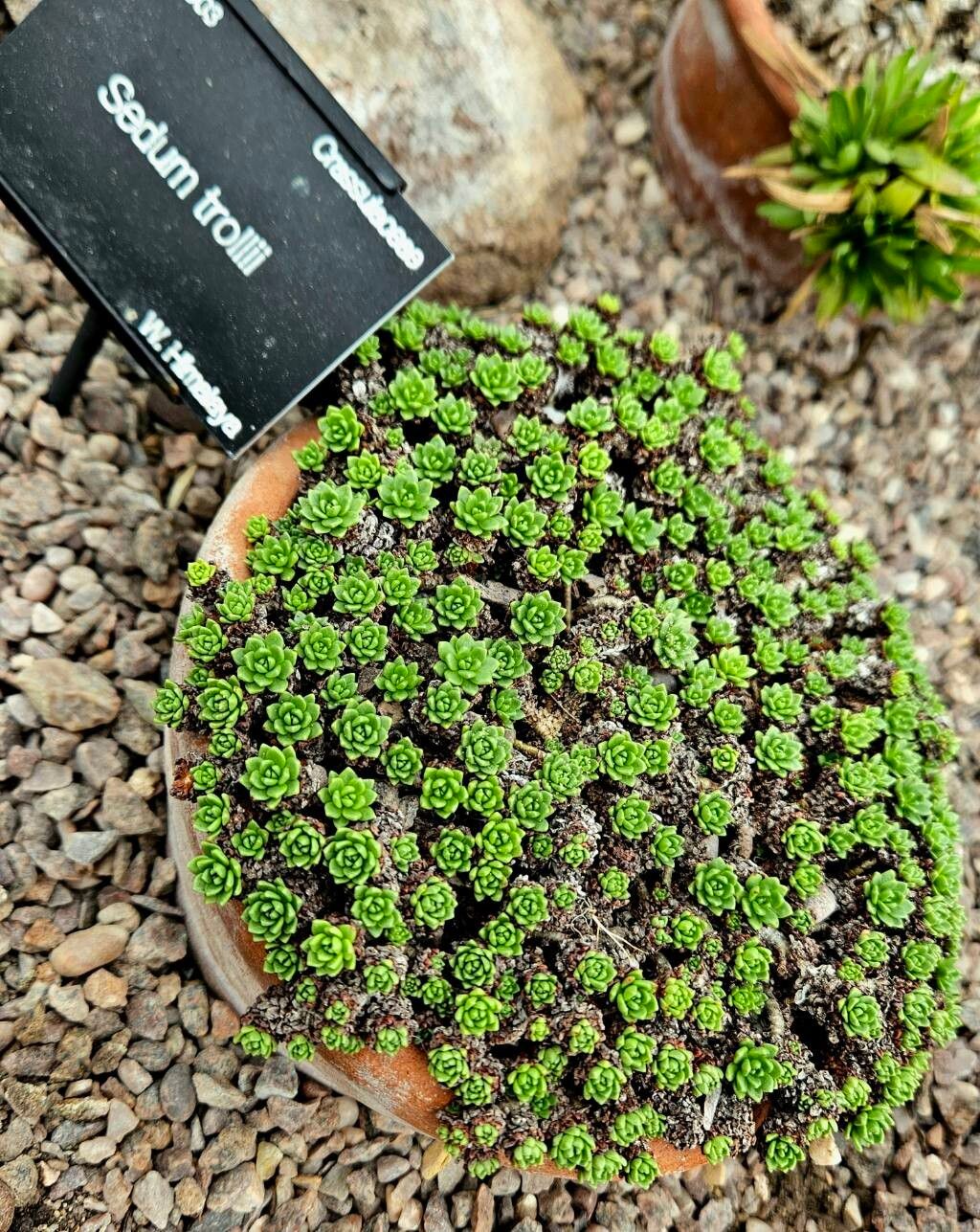
Propagating Rhodiola saxifragoides: A Gardener’s Guide to the Golden Root
Rhodiola saxifragoides, also known as Arctic Root or Roseroot (though this common name is shared with other Rhodiola species), is a fascinating succulent perennial prized for its purported adaptogenic properties and striking rosettes of fleshy leaves. Its popularity among gardeners stems not only from its medicinal reputation but also its hardiness and ability to thrive in challenging, alpine-like conditions. However, propagation is not always straightforward. This article explores various methods, highlighting both the challenges and rewards.
Seed Germination:
Currently, there are no known reliable methods for seed germination propagation of Rhodiola saxifragoides. While seeds are produced, germination rates are extremely low even under ideal conditions. The specific requirements for successful germination remain largely unexplored and germination, if it occurs, is often erratic and slow.
Cuttings:
Cuttings offer a more promising approach than seed germination. However, success rates vary significantly depending on the timing and technique.
- Challenges: Root development from cuttings can be slow and unreliable. The success rate is often low, especially with stem cuttings. Cuttings taken from mature, healthy plants have the highest chance of success.
- Practical Tips: Take semi-hardwood cuttings in late spring or early summer. Use a sharp, sterile blade to create cuttings approximately 4-6 inches long. Remove lower leaves to prevent rotting. Dip the cut ends in rooting hormone and plant in a well-draining, gritty mix. Maintain consistent moisture but avoid overwatering. A humidity dome can also improve success rates. High light levels (but filtered light to avoid scorching) are important. Propagation is easier from root cuttings, provided they have some nodes.
- Rewards: Cuttings provide a quicker method of propagation compared to division, preserving the genetic characteristics of the parent plant.
Division:
Division is perhaps the most reliable method for propagating Rhodiola saxifragoides.
- Challenges: Division requires an established, mature plant with sufficient root growth. Care must be taken to avoid damaging the roots during the process, which can hinder the plant’s ability to re-establish itself.
- Practical Tips: Divide the plant in early spring or autumn. Use a sharp spade or knife to carefully separate the root crown into sections, ensuring each section has several healthy roots and shoots. Plant the divisions immediately in well-draining soil in a location with good drainage and ample sunlight.
- Rewards: This method is relatively straightforward and offers a high rate of success compared to other propagation techniques. It also allows for the rapid increase in the number of plants.
Tissue Culture:
Tissue culture offers the potential for large-scale propagation of Rhodiola saxifragoides and is an area that could yield more reliable results than established techniques.
- Challenges: Tissue culture requires specialized equipment, sterile conditions, and expertise in plant tissue culture techniques. It’s a more complex and costly method than cuttings or division. Establishing a suitable growth medium and protocols for this species is critical and will need research and experimentation, currently lacking in literature.
- Practical Tips: This method requires expertise and laboratory facilities and remains largely unexplored for this species. Research and development would be needed to test the efficacy of specific culture media and hormone combinations.
- Rewards: Tissue culture offers the potential for mass-producing genetically identical plants, preserving desirable traits, and potentially providing material for future research into optimization of cultivation and improvement of yield.
Conclusion:
Propagating Rhodiola saxifragoides presents unique challenges. While seed germination proves unreliable, cuttings and division offer viable (though not always high-success-rate) methods, with division generally being more successful than cuttings. Tissue culture remains an unexplored area holding promise for future large-scale propagation. The rewards, however, are substantial: the satisfaction of successfully cultivating this resilient plant, its medicinal properties, and its ornamental value contribute to the unique appeal of this rewarding endeavor. Don’t be discouraged by initial setbacks. With patience, careful attention to detail, and potentially experimentation, even the most challenging propagation methods can yield success, rewarding you with the beauty and potential benefits of Rhodiola saxifragoides.