
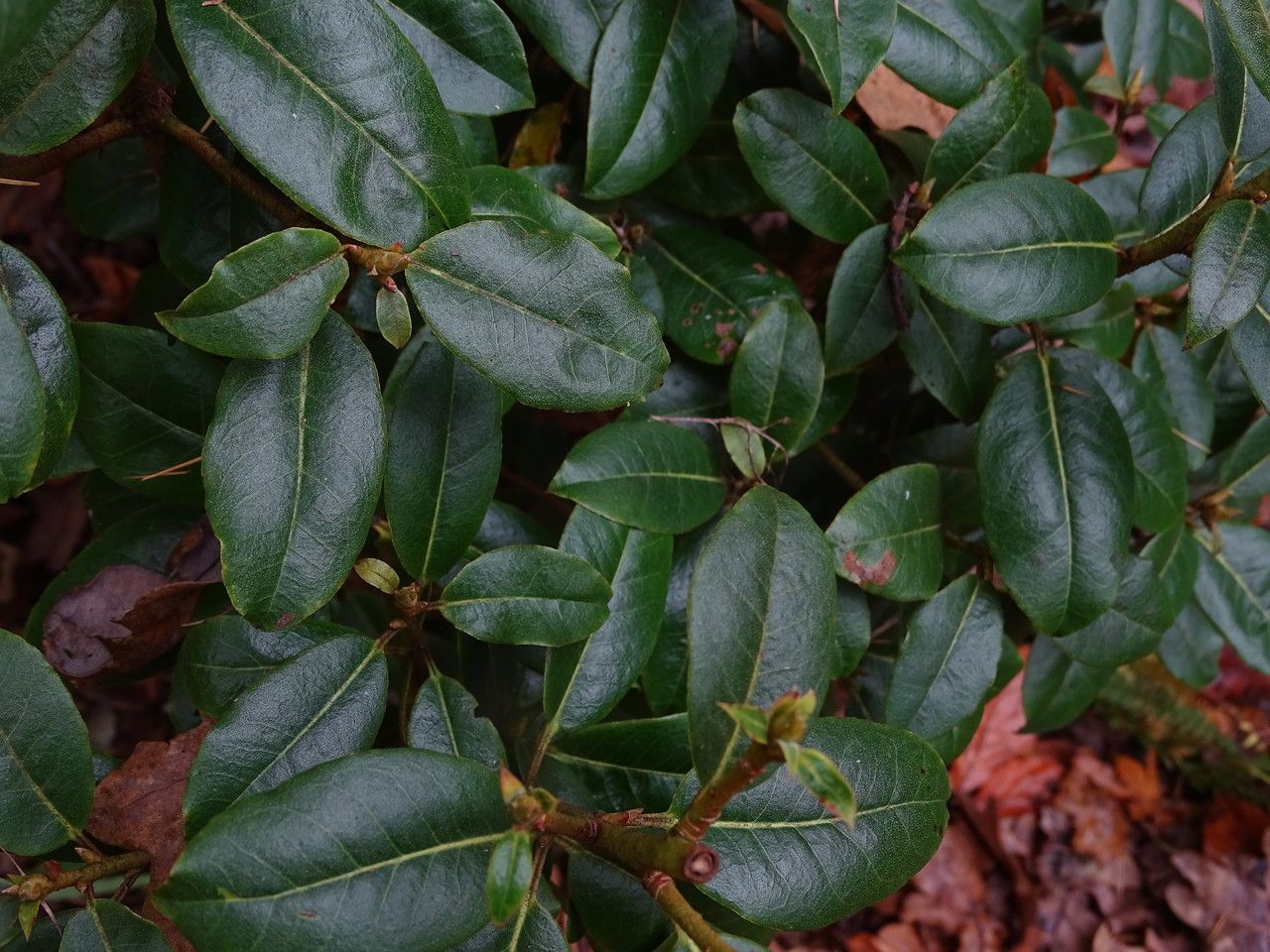
Taming the Wild Beauty: Propagating Rhododendron ambiguum
Rhododendron ambiguum, with its clusters of delicate, sun-kissed yellow blooms, is a sight to behold. This deciduous rhododendron, native to the mountainous regions of Western China, brings a unique charm to any garden. But if you’re dreaming of a hillside adorned with these beauties, you’ll need to master the art of propagation. Don’t worry, while not considered the easiest, successfully propagating R. ambiguum is an achievable feat for any dedicated gardener.
Understanding the Options
There are two primary methods to propagate R. ambiguum:
- Seed Propagation: This method is best suited for the patient gardener. While it offers the reward of witnessing the entire life cycle of the plant, it demands time and meticulous care.
- Semi-Hardwood Cuttings: This approach is faster and slightly more reliable, but success depends on timing and proper technique.
The Seed Route: A Labor of Love
- Seed Collection: In late summer to early fall, collect mature seed pods from your R. ambiguum. Allow the pods to dry thoroughly.
- Seed Preparation: Gently crush the pods to release the tiny, dust-like seeds. Surface sow them on a mixture of peat moss and perlite, misting them gently to avoid displacement.
- Patience is Key: Seedlings can take several weeks to emerge. Ensure a consistently humid environment by covering the pot with plastic wrap or using a propagator. Once seedlings are large enough to handle, carefully prick them out into individual pots.
Semi-Hardwood Cuttings: A Quicker Reward
- Timing is Everything: The ideal time to take cuttings is in late summer, when the new growth has begun to harden slightly.
- Taking the Cutting: Select a healthy stem, about 4-6 inches long, and make a clean cut just below a leaf node. Remove the lower leaves, leaving 2-3 pairs at the top.
- Encouraging Root Growth: Dip the cut end in rooting hormone (optional but beneficial) and plant the cuttings in a well-draining mix. Keep the humidity high by covering the pot with a plastic bag or using a propagation dome.
Caring for your New Progeny
Whether you choose the seed or cutting method, young R. ambiguum require consistent care:
- Light: Provide bright, indirect light. Avoid direct sunlight, which can scorch the delicate foliage.
- Watering: Keep the potting mix consistently moist but not waterlogged.
- Fertilizer: Once seedlings are established or cuttings show new growth, fertilize lightly every few weeks during the growing season with a balanced, acidic fertilizer.
Propagating R. ambiguum might require patience and a gentle touch, but the reward of seeing these stunning plants flourish under your care is well worth the effort. Soon, you’ll have a thriving collection of these vibrant beauties to grace your garden for years to come.