
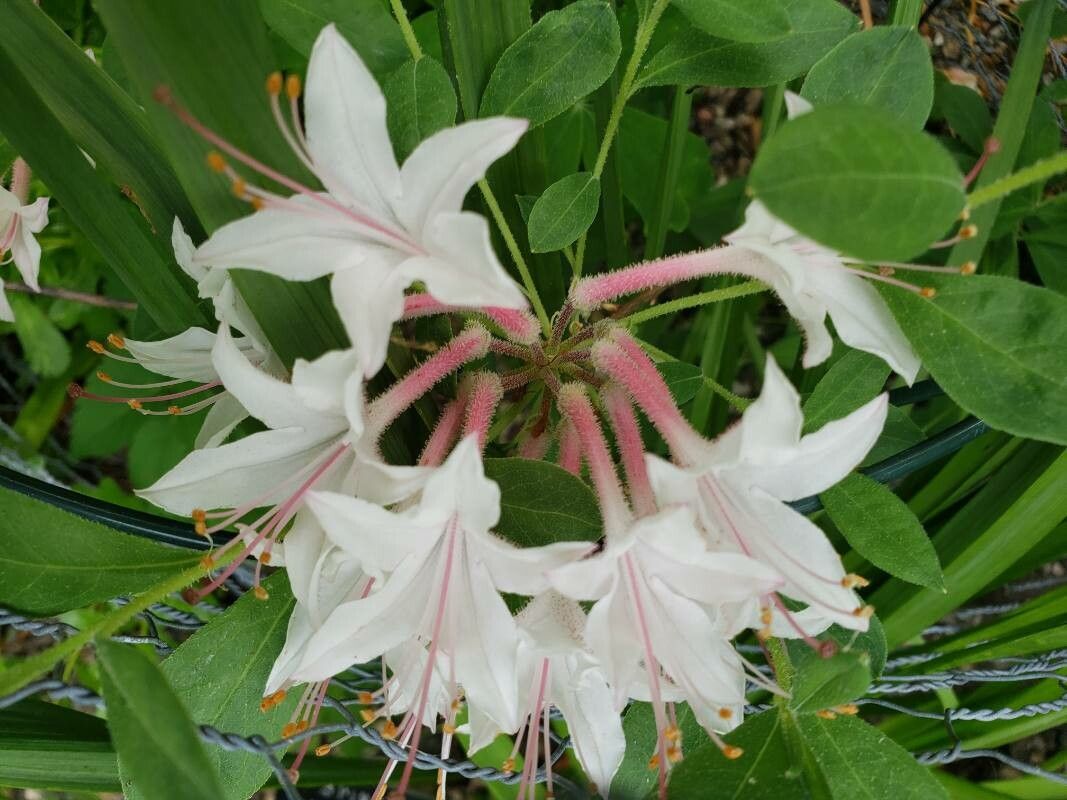
Propagating the Coastal Azalea: A Guide to Rhododendron atlanticum
Introduction:
Rhododendron atlanticum, commonly known as the Coastal Azalea, is a deciduous azalea native to the coastal plain of the southeastern United States. Its striking, fragrant, lavender-pink to white flowers, appearing in early spring before the leaves, make it a highly sought-after addition to gardens. While relatively easy to grow in acidic, well-drained soils, its propagation presents unique challenges. This article explores various methods of propagating Rhododendron atlanticum, weighing the challenges and rewards of each approach. Its popularity among gardeners stems from its beauty and relatively low maintenance requirements once established, fueling the interest in successfully propagating this species.
Seed Germination:
Seed germination is a viable, albeit challenging, method for propagating Rhododendron atlanticum. The main challenge lies in the requirement for cold stratification. The seeds possess a hard seed coat and require a period of cold, moist conditions to break dormancy.
Challenges: Low germination rates are common, even with proper stratification. Seeds are also susceptible to fungal diseases.
Practical Tips: Collect seeds as soon as the seed pods have matured but before they fully dehisce. Remove the seeds from the pod and mix them with a sterile, moist medium like vermiculite or peat moss. Stratify the seeds for 8-12 weeks at temperatures near 35-40°F (2-4°C). After stratification, sow the seeds on the surface of a well-draining seed-starting mix, keeping them moist but not waterlogged. Maintain high humidity and adequate light (but not direct sunlight). Fungicide treatments can significantly improve success rates.
Rewards: Seed propagation offers the potential for greater genetic diversity within a population. This is particularly valuable for long-term conservation efforts and for cultivating plants ideally suited to a specific environment. It also offers the most cost-effective method for large-scale production.
Cuttings:
Cuttings offer a more reliable method for propagating Rhododendron atlanticum compared to seed propagation.
Challenges: Root formation can be slow and inconsistent. The success rate depends on factors like the age and health of the parent plant, the timing of the cuttings, and the propagation environment.
Practical Tips: Take semi-hardwood cuttings in late summer or early autumn. Use a sharp, clean knife or shears to take 4-6 inch cuttings, removing lower leaves to prevent rot. Dip the cut ends in rooting hormone and plant in a well-draining mix of perlite and peat moss. Maintain high humidity, using a plastic dome or humidity propagator. Bottom heat can also improve rooting.
Rewards: Cuttings produce clones of the parent plant, preserving desirable traits, including flower color and growth habit. This is faster and more efficient for smaller-scale propagation compared to seed germination.
Division:
Division is generally not recommended for Rhododendron atlanticum. This species doesn’t readily produce the extensive root systems conducive to successful division. Attempting division often results in the death of the plant. Alternatively, basal shoots may be separated from the mother plant.
Tissue Culture:
Tissue culture is a possible method for Rhododendron atlanticum propagation, offering high multiplication rates and the ability to produce disease-free plants. However, this is highly specialized and requires considerable technical expertise and equipment.
Challenges: Initial setup costs and ongoing maintenance are expensive. Specialized knowledge and sterile lab conditions are mandatory.
Practical Tips: This is not a method readily accessible to home gardeners. It is best left to specialized nurseries or research institutions.
Rewards: Tissue culture provides the potential for mass propagation, which is advantageous for conservation and commercial production. It also allows for the eradication of diseases from the plant material.
Conclusion:
Propagating Rhododendron atlanticum presents varying levels of challenge, depending on the chosen method. While seed germination offers genetic diversity, the low germination rates and lengthy process make it a less practical option for most gardeners. Cuttings provide a far more reliable method for those with some propagation experience. Division is not recommended. Tissue culture, although efficient, is best left to professionals.
The unique satisfaction in successfully propagating this beautiful native plant lies in overcoming the hurdles involved. The reward – a thriving Coastal Azalea – is well worth the effort! For aspiring propagators, start with cuttings, focusing on providing optimal humidity and moisture levels. With patience and consistent care, you will surely cultivate the beauty of Rhododendron atlanticum.