
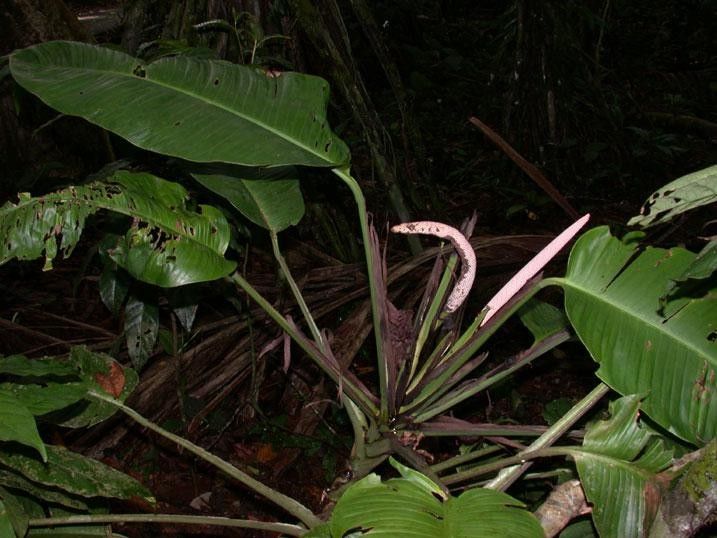
Unveiling the Secrets of Rhodospatha Wendlandii Propagation: A Step-by-Step Guide
The Rhodospatha Wendlandii, also known as the “Equadorian Necklace” plant, is a tropical beauty coveted for its striking foliage and intriguing inflorescence. While admiring this plant in its full glory is a treat, wouldn’t it be wonderful to multiply your joy (and plants!) through propagation? Here’s a comprehensive guide to help you navigate the world of Rhodospatha Wendlandii propagation and fill your space with these verdant wonders.
Understanding the Basics of Rhodospatha Wendlandii
Before we delve into propagation, it’s crucial to understand what we’re dealing with. Rhodospatha Wendlandii, native to the rainforests of Ecuador, are epiphytes. This means they naturally grow on other plants for support, deriving their nutrients and moisture from the air and rain. This characteristic plays a significant role in its propagation methods.
Two Paths to Propagation: Choosing Your Method
There are two primary methods to propagate Rhodospatha Wendlandii:
Division: This method involves carefully separating offshoots from the mother plant. Look for clumps of healthy leaves and roots that can be gently detached. Ensure each division has a good amount of roots to support its growth.
- Seed Propagation: While less common, propagating from seeds is possible. However, seeds can be challenging to obtain and may require patience as germination rates can be variable. If you choose this route, sow the seeds in a well-draining seed starting mix, keeping them consistently moist and in a warm, humid environment.
Step-by-Step Guide to Division
Division is the most common and successful method for propagating Rhodospatha Wendlandii. Here’s a step-by-step breakdown:
- Timing: Spring or early summer, when the plant is actively growing, is the ideal time for division.
- Preparation: Gather your materials: a clean, sharp knife or pruning shears, a pot with drainage holes slightly larger than the division, and a well-draining potting mix (a mix of peat moss, perlite, and orchid bark works well).
- The Division Process:
- Gently remove the mother plant from its pot.
- Identify a healthy offshoot with a good root system.
- Using your sterilized knife or shears, carefully separate the offshoot from the mother plant.
- Plant the division in your prepared pot, ensuring the base of the plant sits level with the soil surface.
- Water thoroughly, allowing excess water to drain.
Post-Propagation Care: Nurturing New Life
The key to successful propagation lies in replicating the Rhodospatha Wendlandii’s natural environment:
- Light: Place your newly potted division in a brightly lit location, but out of direct sunlight, which can scorch its delicate leaves.
- Humidity: Maintain high humidity around the plant. You can achieve this by misting regularly, using a humidifier, or placing the pot on a pebble tray filled with water.
- Watering: Water when the top inch of soil feels dry to the touch. Avoid overwatering, as soggy soil can lead to root rot.
- Fertilization: During the growing season (spring and summer), fertilize lightly every 4-6 weeks with a balanced, water-soluble fertilizer.
Embrace the Journey of Propagation
Propagating Rhodospatha Wendlandii might seem intimidating at first, but with the right knowledge and a little patience, you can multiply your collection and share the joy of these unique plants. Embrace the process, enjoy watching your new plants thrive, and revel in the satisfaction of nurturing new life from your existing greenery.