
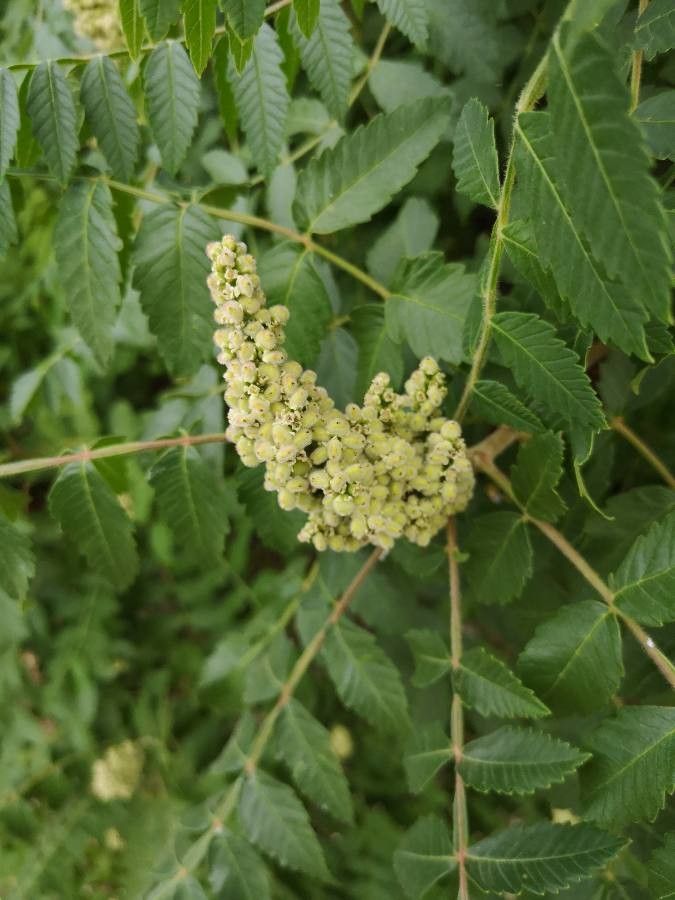
Unlocking the Secrets of Sumac: How to Propagate Rhus coriaria
The Sicilian sumac (Rhus coriaria), with its vibrant red berries and lush green foliage, is a sight to behold. Prized for its culinary uses and medicinal properties, this Mediterranean native is also a stunning ornamental addition to any garden. If you’re keen on welcoming this versatile plant to your own space, propagating Rhus coriaria is a rewarding endeavor. Let’s explore the different methods to make your sumac dreams a reality.
1. Seeds: A Test of Patience and Timing
Growing Rhus coriaria from seed is entirely possible, though it requires some finesse and a good dose of patience. Here’s the breakdown:
- Timing is Key: Sumac seeds boast a tough outer shell that needs softening before germination. Soaking the seeds in hot (not boiling) water for 24 hours can help break down dormancy. Fall sowing directly outdoors is ideal, mimicking the plant’s natural cycle.
- Cold Stratification: Nature’s Trick: If you choose to start seeds indoors, mimicking winter conditions is essential. Mix the seeds with moist sand or peat moss and store them in a refrigerator (around 4°C) for 6-8 weeks before sowing in seed trays.
- Patience is a Virtue: Germination can be unpredictable, sometimes taking several months. Keep the soil consistently moist but not waterlogged, and provide bright, indirect light.
2. Cuttings: Taking Root for Faster Results
For a quicker and more reliable method, propagating Rhus coriaria from cuttings is the way to go. This technique harnesses the plant’s existing growth for new individuals.
- The Right Time and Branch: Take semi-hardwood cuttings, which are slightly woody but still flexible, in late summer. Choose healthy, non-flowering stems.
- Precision is Key: Make a clean cut just below a leaf node (where the leaf joins the stem). Remove the lower leaves, leaving 2-3 leaves at the top.
- Hormonal Help: Dipping the cut end in rooting hormone powder significantly increases the chances of successful root development.
- Cozy Environment: Plant the cuttings in a well-draining potting mix, and keep them consistently moist. A warm, humid environment, like a mini greenhouse or under a humidity dome, will encourage rooting.
3. Root Cuttings: A Less Conventional Approach
Rhus coriaria can also be propagated through root cuttings, though this method is less common.
- Digging Deep: In late winter or early spring, carefully unearth a portion of the plant’s root system.
- Sectioning for Success: Select healthy roots and cut them into sections of about 5-10 cm long.
- Horizontal Positioning: Lay the root cuttings horizontally in a tray filled with moist potting mix. Cover them lightly with the mix.
- Signs of Life: Shoots will emerge from the buds on the root cuttings as they take hold.
Caring for Your Sumac Progeny
Whether from seed or cutting, young Rhus coriaria plants need a little TLC to thrive:
- Well-Draining Soil: Sumacs are drought-tolerant once established but detest soggy roots.
- Sun Worshippers: Choose a sunny location for your sumac, as it thrives in at least 6 hours of direct sunlight.
- Minimal Feeding: Sumacs are light feeders and don’t require heavy fertilization.
- Pruning for Shape: Regular pruning helps maintain the plant’s shape and encourages bushier growth.
Propagating Rhus coriaria is a journey of patience and understanding. However, the reward of nurturing new life from seed or cutting and witnessing the vibrant beauty of this remarkable plant is truly fulfilling. So, roll up your sleeves, choose your propagation adventure, and get ready to welcome the magic of sumac into your own garden!