
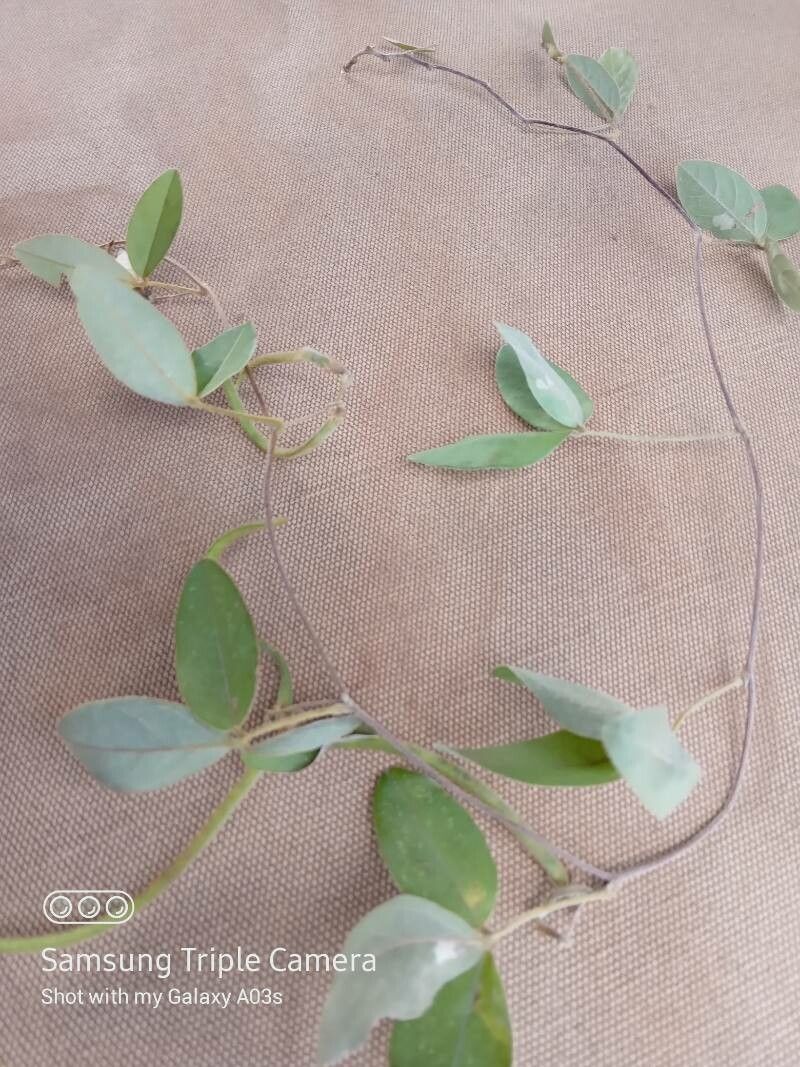
Unlocking the Secrets of the “Velvet Bean”: Propagating Rhynchosia usambarensis
The enchanting Rhynchosia usambarensis, often nicknamed the “Velvet Bean,” captivates with its velvety foliage and delicate, cascading flowers. This tropical climber, native to Tanzania, is a treasure for gardeners seeking to add a touch of exotic beauty to their space. But obtaining new plants can be a challenge. Fortunately, propagation offers a rewarding and cost-effective solution, allowing you to multiply this beauty and share it with others.
The Art of Starting New Plants
Propagation is the process of creating new plants from existing ones. With Rhynchosia usambarensis, two primary methods are favoured:
1. Seed Propagation:
- Collecting Seeds: Gather ripe seed pods from your existing plant. Each pod contains several seeds.
- Preparation: Remove the seeds from the pod and soak them in warm water for 24 hours. This helps soften the seed coat and promotes germination.
- Sowing: Fill a seed tray with a well-draining seed-starting mix. Sow the seeds individually, spacing them about 1 inch apart. Cover them with a thin layer of soil, no more than ¼ inch deep.
- Germination: Place the tray in a warm, bright location, avoiding direct sunlight. Maintain consistent moisture by misting regularly. Germination can take 2-4 weeks.
- Transplanting: Once the seedlings have developed a few true leaves (about 2-3 inches tall), gently transplant them into individual pots filled with well-draining potting mix.
2. Cuttings Propagation:
- Selecting Cuttings: Take stem cuttings from healthy, non-flowering stems of your Rhynchosia usambarensis. The cuttings should be about 4-6 inches long and have at least two nodes (the points where leaves grow).
- Preparation: Remove the leaves from the bottom node and dip the cut end in rooting hormone. This will help stimulate root development.
- Planting: Fill a small pot with a rooting mix, such as a mix of perlite and peat moss. Insert the cuttings into the rooting mix, ensuring at least one node is buried.
- Care: Place the pot in a bright, indirect location, avoiding direct sunlight. Keep the rooting mix consistently moist but not waterlogged. Cover the pot with a plastic bag to create a humid environment, which can help to speed up the rooting process.
- Roots & Transplanting: Within 4-6 weeks, roots should start to form. You can gently tug on the cutting to check, but don’t pull too hard. Once roots are well-established, you can transplant the cuttings into individual pots filled with a well-draining potting mix.
Tips for Success
No matter which propagation method you choose, consistency is key.
- Maintain consistent humidity: Rhynchosia usambarensis appreciates a humid environment. You can create this by misting regularly or using a humidity tray filled with pebbles and water.
- Provide adequate light: While the plant thrives in bright, indirect light, avoid placing it in direct sunlight, especially during the hottest part of the day.
- Use well-draining potting mix: Rhynchosia usambarensis is prone to root rot, so ensure the potting mix is free-draining.
- Monitor for pests and diseases: Check your plants regularly for pests like aphids, mealybugs, or spider mites, and treat them accordingly. Fungal diseases can also be an issue, so monitor the plants for signs like leaf spots or wilting.
Sharing the Beauty
By following these tips, you can successfully propagate your Rhynchosia usambarensis, creating new plants to enjoy, share with friends, or even start a mini-jungle in your own home. This fascinating climber offers a unique look with its velvety foliage and delicate blooms, making it a cherished addition to any plant collection. Propagation allows you to share this treasure, spreading its beauty and captivating others with its elegance.