
Unleash the Snow Flurry: A Guide to Propagating White Star Sedge
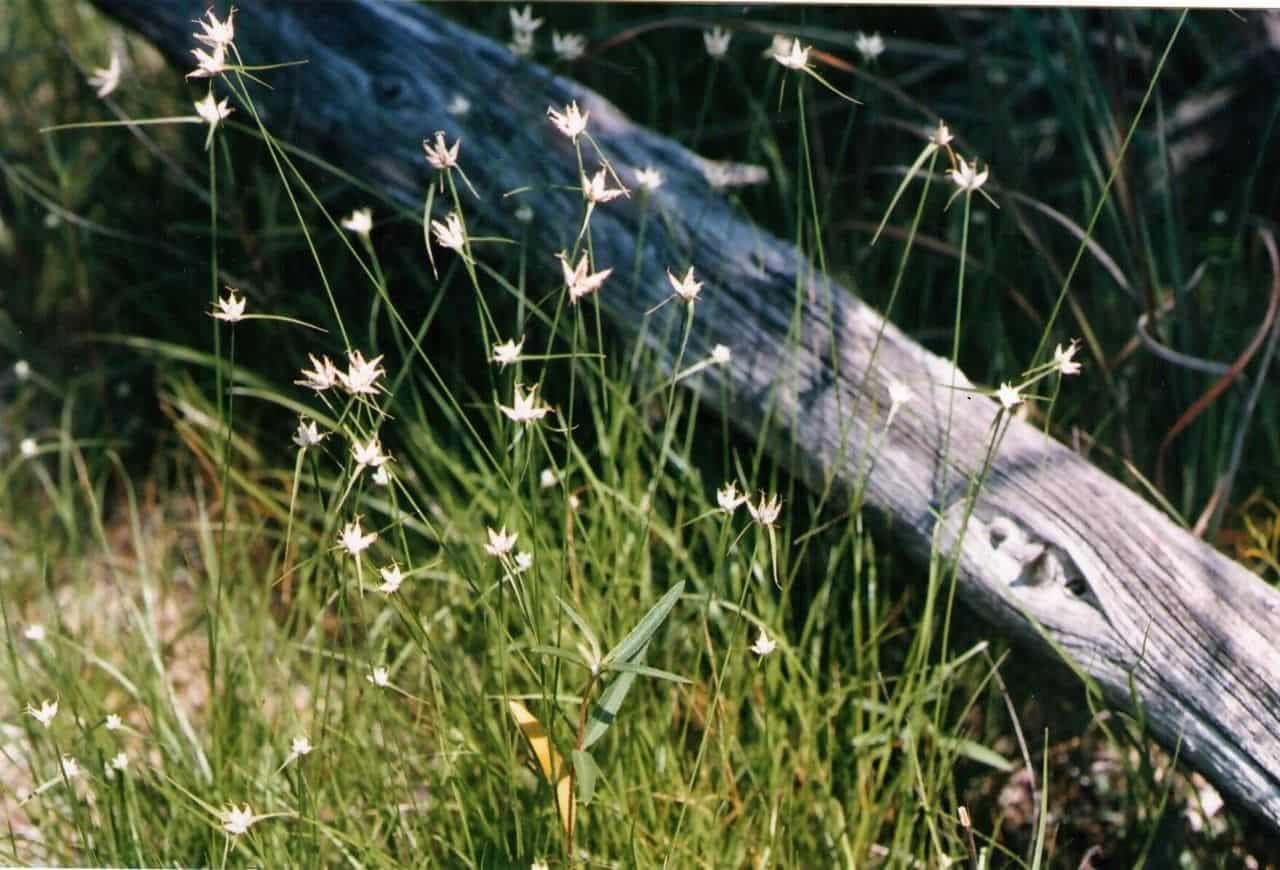
The White Star Sedge (Rhynchospora nivea), with its delicate white bracts resembling a scattering of stars, is a statement piece for any garden wanting to embrace a touch of ethereal beauty. Unlike its name might suggest, this North American native isn’t a true sedge but rather a fascinating member of the Cyperaceae family, closely related to papyrus.
While commercially available, propagating your own White Star Sedge is a rewarding experience that allows you to multiply your stock and share the magic of this unique plant with others. So, if you’re keen on creating a constellation of these stunning plants, read on!
Propagation Methods: Seed vs. Division
White Star Sedge can be propagated through two primary methods:
1. Seed Propagation:
- Collection: Collect seeds in late summer or early fall when the flower heads have matured and turned brown. Gently rub the heads to release the tiny, brown seeds.
- Sowing: Sow seeds in a seed starting mix, barely covering them. Keep the soil consistently moist and provide bright, indirect light.
- Patience: Germination can be erratic, ranging from a few weeks to a couple of months. Be patient and maintain consistent moisture.
2. Division:
- Timing: Spring is the ideal time to divide established clumps.
- Digging: Carefully dig up a healthy clump, ensuring you get a good root mass.
- Separation: Gently tease apart the clump into smaller sections, each with a good portion of roots and shoots.
- Replanting: Replant the divisions at the same depth they were originally growing. Water thoroughly and keep the soil consistently moist until new growth emerges.
Tips for Success:
- Well-draining soil: White Star Sedge thrives in moist but well-drained soil. Amend heavy clay soils with organic matter to improve drainage.
- Sun or Shade: This versatile plant tolerates a range of light conditions, from full sun to partial shade.
- Moisture is Key: While tolerant of brief periods of dryness once established, consistent moisture is crucial, especially for young plants.
- Fertilizer: White Star Sedge isn’t a heavy feeder. A light application of a balanced fertilizer in spring is sufficient.
Enjoy Your Stellar Garden Addition!
Propagating your own White Star Sedge allows you to create a captivating display in a variety of settings. Plant them en masse for a dramatic effect, use them as a charming border along walkways, or add them to container arrangements for a touch of whimsy.
With a little patience and the right care, you can enjoy the captivating allure of the White Star Sedge, multiplying its starry presence in your garden year after year!