
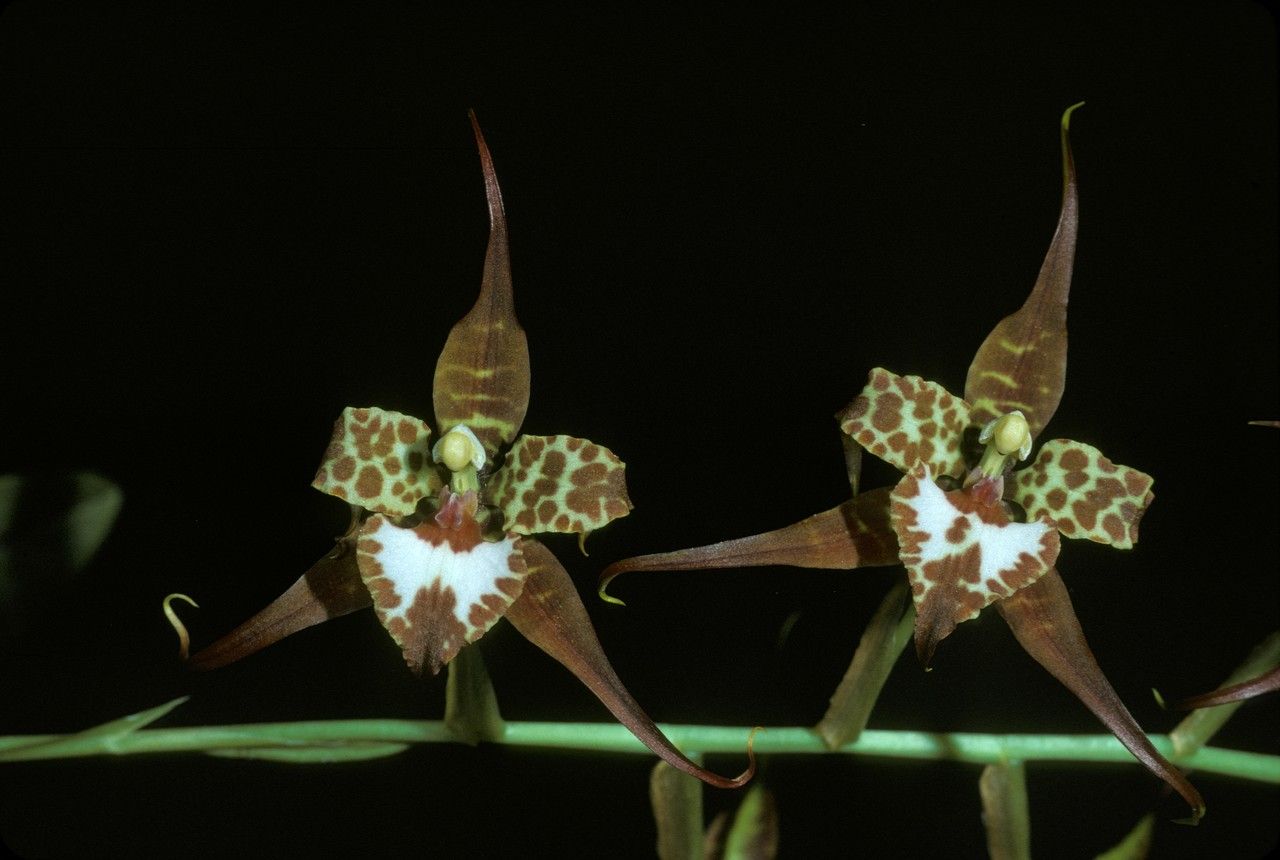
Propagating the Elegant Rhynchostele cordata: A Guide for Orchid Enthusiasts
Introduction
Rhynchostele cordata, often called the “Heart-leaved Rhynchostele” due to its charming cordate (heart-shaped) leaves, is a captivating orchid species prized for its delicate beauty and relatively compact size. Its elegant, often white or subtly tinted flowers, borne on arching inflorescences, make it a desirable addition to any orchid collection. While not as widely cultivated as some other orchid genera, its unique beauty and challenges in propagation contribute to its popularity among experienced orchid growers. This article will explore the various methods of propagation for Rhynchostele cordata and assess their viability.
Seed Germination:
Currently, there are no known reliable methods for seed germination propagation of Rhynchostele cordata. Orchid seeds are notoriously minute and require specific symbiotic relationships with mycorrhizal fungi for successful germination. Establishing these relationships in a controlled horticultural setting for Rhynchostele cordata has proven difficult, making seed germination an impractical propagation method at present.
Cuttings:
Cuttings are generally not a viable method for propagating Rhynchostele cordata. Unlike some other orchid species, this orchid does not readily produce adventitious roots or shoots from stem or leaf cuttings. Attempts to propagate this way typically result in failure due to the lack of sufficient meristematic tissue for new growth.
Division:
Division offers the most reliable method for propagating Rhynchostele cordata. This involves carefully separating a mature plant into multiple smaller divisions, each containing sufficient roots and pseudobulbs.
Challenges: The main challenge lies in ensuring each division has a healthy root system and enough pseudobulbs to support new growth. Damaging the roots during division can lead to plant death. Selecting the right time – optimally after flowering when new growth is beginning – is crucial.
Practical Tips: Sterile, sharp tools are essential to minimize damage. Use a well-draining, orchid-specific potting mix. After division, keep the plants in a humid environment with high light but avoid direct sun until new growth appears.
Rewards: Division is relatively quick, producing multiple plants clones of the mother plant, ideal for increasing the number of plants in a collection.
Tissue Culture:
Tissue culture presents the most advanced and potentially high-yield method for propagating Rhynchostele cordata.
Challenges: This method requires specialized equipment, a sterile lab environment, and a detailed understanding of orchid tissue culture techniques. Establishing optimal growth media and hormonal balances for Rhynchostele cordata might require experimentation.
Practical Tips: Experienced orchid tissue culture labs can likely propagate this species effectively. This method delivers large numbers of plants but has a high initial investment in equipment and expertise.
Rewards: Tissue culture offers the possibility of large-scale propagation, preserving genetic diversity, and helping to conserve the species.
Conclusion:
Propagating Rhynchostele cordata presents unique challenges. While seed germination and cuttings are currently impractical, division provides a reliable, albeit limited, method for propagation. Tissue culture holds the greatest potential for large-scale production but requires specialized knowledge and resources. The difficulties involved only enhance the satisfaction derived from successfully propagating this elegant orchid. The rewards – whether a single successful division or a thriving flask of seedlings – are considerable, offering a deep sense of accomplishment and expanding your orchid collection with this rare beauty. With careful attention to detail, patience, and the right approach, aspiring propagators can experience the unique satisfaction of cultivating this remarkable plant.