
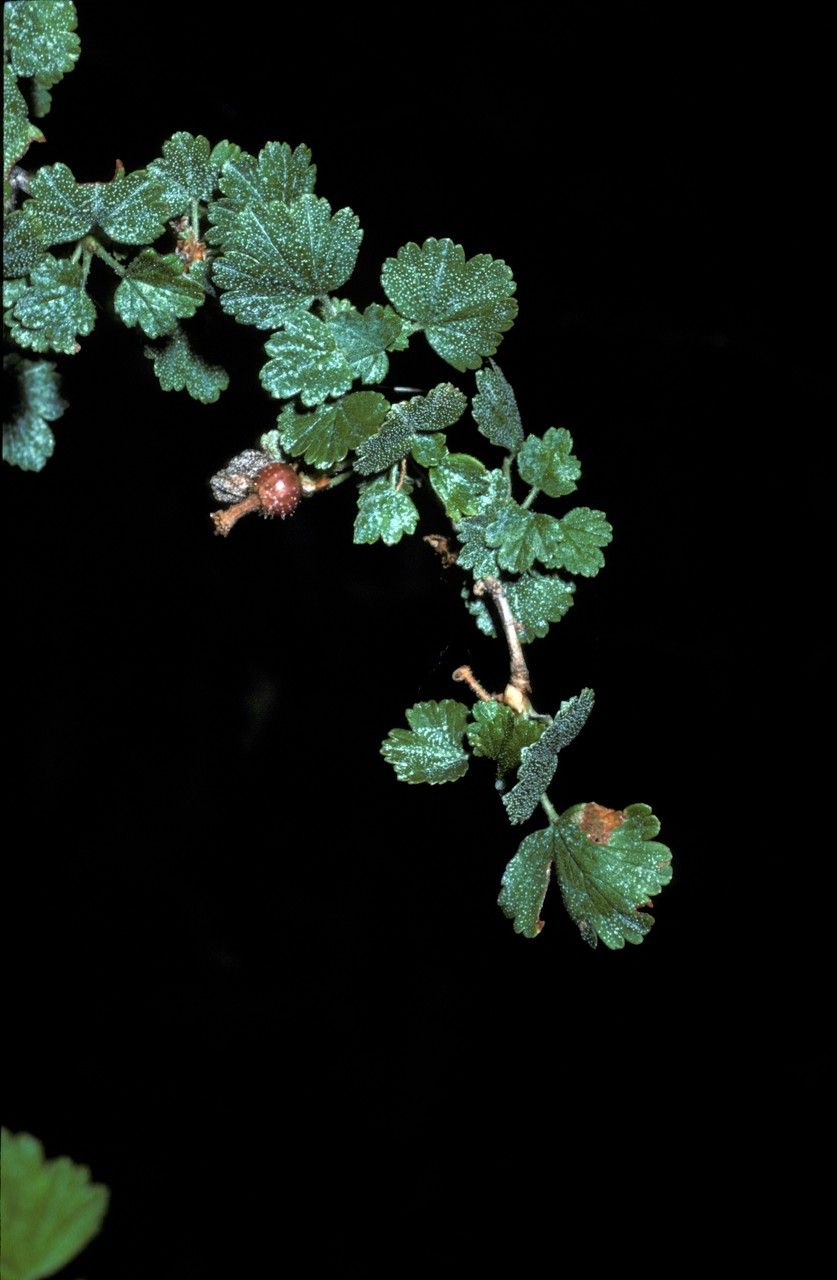
From One to Many: A Guide to Propagating the Delicate Beauty of Ribes Cereum
Ribes cereum, the aptly named “wax currant,” is a charming shrub beloved for its delicate, fragrant blossoms and vibrant red berries. This native Californian beauty thrives in gardens, attracting pollinators and offering a burst of colour. But what if you could share this delight with others? Propagation, the process of creating new plants from existing ones, is the answer.
There are two primary methods for propagating Ribes cereum: seed propagation and cutting propagation. Let’s delve into each technique:
1. The Journey From Seed to Shrub:
- Gathering the Seeds: Wait until the berries are ripe and plump, taking care to avoid overly soft or damaged ones. Extract the tiny seeds, rinsing them thoroughly to remove any pulp.
- Preparation: Seeds of Ribes cereum benefit from a period of stratification, mimicking the natural winter chilling they would experience in their wild habitat.
- Stratification: Mix the seeds with slightly moist vermiculite or peat moss. Place the mixture in a sealed container and refrigerate for at least 8 weeks. This process breaks dormancy, encouraging germination.
- Sowing: Once the stratification period is complete, sow the seeds in a seed tray filled with a well-draining potting mix. Cover them lightly with soil and water gently.
- Germination: Place the tray in a bright, well-lit location but avoid direct sunlight. Maintain consistent moisture and expect seedlings to emerge within several weeks.
While seed propagation offers the joy of watching tiny plants flourish, it’s a more time-consuming process.
2. Taking a Shortcut: Cutting Propagation
- Choosing Cuttings: The best time to take cuttings is during the late summer or early fall. Select healthy stems that have matured but are not entirely woody.
- Preparing the Cuttings: Cut about 4-6 inches of stem, making a clean, angled cut at the bottom and removing any leaves near the base.
- Promoting Rooting: Dip the cut ends in a rooting hormone solution to encourage root development.
- Planting: Insert the cuttings into a well-draining planting medium such as perlite, sand, or a mixture of both. Lightly water and mist regularly to maintain moisture.
- Root Development: Place the cuttings in a well-lit location but avoid direct sunlight. They will need 4-6 weeks to root, after which they can be transplanted into individual pots.
Cutting propagation offers a faster and potentially more reliable way to establish new Ribes cereum plants, allowing you to experience its beauty sooner.
General Care and Tips:
- Watering: Keep the seedlings or cuttings consistently moist, especially during the initial rooting phase. Avoid overwatering, as it can lead to root rot.
- Sunlight: Ribes cereum prefers a location that receives morning sun and afternoon shade.
- Pruning: Prune after flowering, removing any dead or damaged stems to maintain the plant’s shape and encourage new growth.
Whether you choose seed propagation or cutting propagation, propagating your own Ribes cereum is a rewarding experience. Sharing these beautiful plants with others is a wonderful way to spread the beauty of nature and enjoy the satisfaction of nurturing a piece of the wild. So, grab a pair of gardening gloves, and embark on your own Ribes cereum propagation journey!