
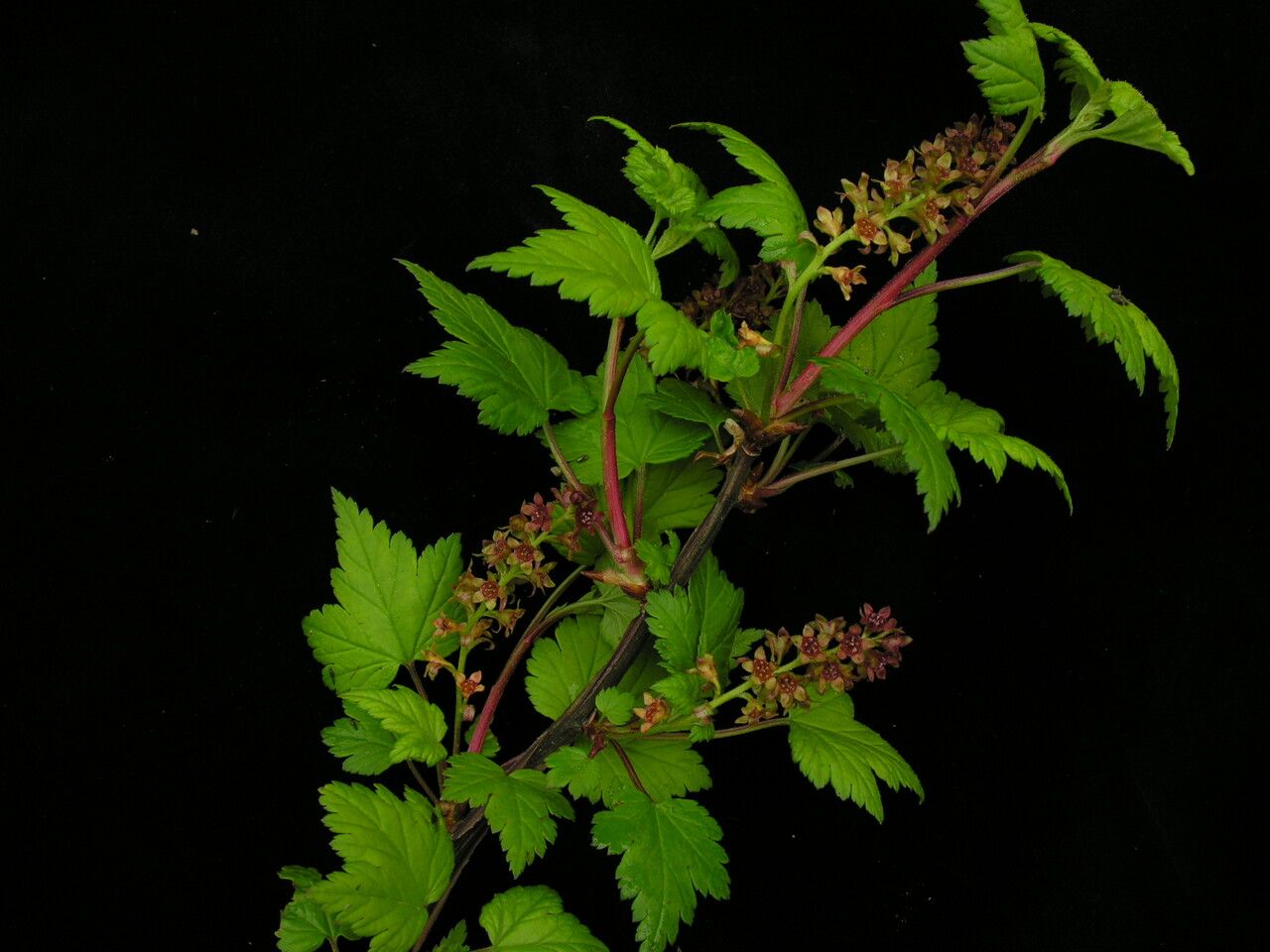
Conquer the Cold: Propagating the Thriving Ribes Glaciale
Are you looking to add a touch of alpine beauty to your garden? Then the Ribes glaciale, with its delicate, fragrant flowers and vibrant red berries, is the perfect choice. But where do you even begin with this stunning plant?
The good news is, propagating Ribes glaciale is surprisingly straightforward, and even beginner gardeners can experience the joy of growing their own. It all starts with understanding the unique characteristics of this frost-tolerant beauty and adapting your techniques accordingly.
The Two Main Methods: Seeds of the Cold and Striking Success
Ribes glaciale can be propagated in two primary ways:
From Seed: This method mimics the natural growth cycle of the plant and requires a little patience.
- Harvesting: Collect ripe berries in autumn and extract the seeds.
- Stratification: Mimic a winter chilling period by storing the seeds in moist, cool conditions (like a refrigerator) for 2-3 months.
- Sowing: Once the chilling period is complete, sow seeds in a well-drained seed-starting mix with minimal cover. Keep the soil evenly moist and warm.
- Germination: Germination can take several weeks to months.
- Transplanting: Once seedlings are established, you can transplant them to larger pots or directly into the ground.
- From Cuttings: For quicker results, you can take cuttings from strong, healthy stems.
- Selecting Cuttings: In late spring or early summer, snip 4-6 inch cuttings from non-flowering stems with a sharp, clean knife or shears.
- Preparing the Cuttings: Remove any leaves from the bottom inch of the cutting. Dip this end in rooting hormone to encourage root development.
- Planting: Insert the cuttings into a pot filled with a well-draining rooting medium like a mix of peat moss and perlite. Ensure the medium is kept moist and the cuttings are placed in a bright spot, protected from direct sunlight.
- Rooted Success: Over a few weeks, new roots will start to form. You can gently tug on the cutting to check for resistance, a sign of a strong root system.
Tips for Success:
- Soil and Conditions: Ribes glaciale thrives in well-drained, slightly acidic soils. When planting, select an open, sunny location with good airflow.
- Watering: Keep the soil evenly moist but not waterlogged. This is especially important during the establishment phase.
- Protection: Provide some protection from strong winds, which can damage young plants.
- Patience: Propagation takes time, so be patient and don’t be discouraged if it doesn’t happen immediately.
Beyond the Basics: Propagating with Flair
For those looking for the ultimate challenge, you can also try grafting Ribes glaciale onto a compatible stock like currant or gooseberry. This can create an intriguing blend of different characteristics, like improved frost tolerance or interesting fruit variations.
Final Thoughts:
Whether from seed or cuttings, the journey to propagating Ribes glaciale is an exciting adventure in garden exploration. Embrace the process, learn from your experiences, and witness the beauty of this unique plant blossoming in your own space. With a little patience and care, you’ll soon be enjoying the graceful beauty of the Ribes glaciale, a true testament to the resilience and wonder of nature.