
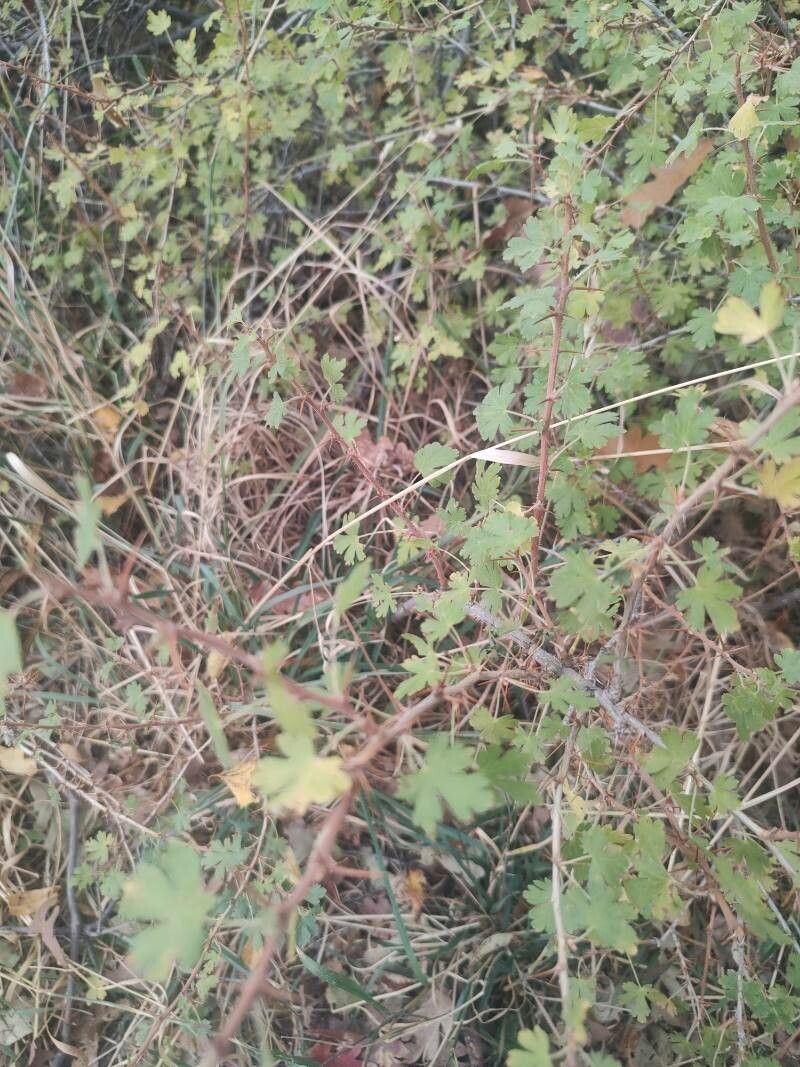
Propagating Ribes montigenum: A Gardener’s Guide to the Mountain Currant
Introduction:
Ribes montigenum, commonly known as the mountain currant, is a captivating shrub prized for its attractive foliage, delicate flowers, and edible berries. Native to mountainous regions, it boasts a hardy nature and adds a unique touch to gardens, particularly those emulating woodland or alpine settings. While not as widely cultivated as some other Ribes species, its resilience and attractive qualities are garnering increasing popularity amongst gardeners. The relatively challenging propagation, however, adds to its allure for dedicated plant enthusiasts.
Seed Germination:
Currently, there are no known reliable methods for seed germination propagation of Ribes montigenum. While seeds may be produced, germination rates are reportedly extremely low, likely due to a complex dormancy mechanism not yet fully understood. Further research is needed to determine if specific stratification techniques or other pre-treatment methods can significantly improve germination success.
Cuttings:
Cuttings offer a more reliable method for propagating Ribes montigenum than seed germination.
Challenges: Success hinges on timing and technique. Hardwood cuttings taken in late autumn or early winter tend to yield better results than softwood cuttings. The process requires careful preparation to prevent fungal infections.
Practical Tips: Use semi-hardwood cuttings taken from the current year’s growth in late summer or early fall. Dip the cuttings in rooting hormone and plant them in a well-draining mix of peat moss and perlite. Maintain consistently moist but not soggy conditions, preferably under a humidity dome or in a propagator. Bottom heat can also increase rooting success.
- Rewards: Cuttings provide a faster, more predictable method of propagation compared to seed, ensuring the preservation of desirable traits from the parent plant. This method allows for easier expansion of existing desirable cultivars without the need for large-scale propagation.
Division:
Division is a viable method, particularly for established plants.
Challenges: Successful division requires careful handling to avoid damaging the root system. It is best suited to larger, well-established plants. Over-division can weaken the parent plant severely, making it susceptible to disease.
Practical Tips: Divide the plant in early spring or late autumn, ensuring each division has a healthy section of roots and shoots. Replant the divisions promptly, keeping the root systems moist during the process. Water and mulch around the new plants to aid establishment.
- Rewards: Division provides a quick way to increase the number of plants while maintaining the characteristics of the parent plant. This method is less labour-intensive than cuttings.
Tissue Culture:
Tissue culture offers potential for large-scale propagation, but it is a specialized technique.
Challenges: Tissue culture requires aseptic conditions, specialized equipment, and a significant level of expertise. It is not a readily accessible method for home gardeners. Developing the appropriate media and protocols for Ribes montigenum specifically may also prove challenging.
Practical Tips: This method is best left to laboratories or nurseries with experience in plant tissue culture.
- Rewards: Tissue culture allows for rapid propagation of large numbers of plants from a small amount of source material. It permits disease eradication and genetic improvement.
Conclusion:
Propagating Ribes montigenum presents unique challenges. While seeds are unreliable, vegetative methods like cuttings and division offer viable alternatives. Tissue culture holds the potential for larger-scale propagation but requires specialized knowledge and resources. The effort involved in successful propagation, however, makes the reward of cultivating this unique and beautiful plant all the more satisfying. The tenacity required to overcome the propagation hurdles will ultimately be rewarded with the quiet beauty and resilience of the mountain currant in your garden, a testament to your dedication and horticultural skill. Don’t be discouraged by the initial difficulties – persevere, experiment, and enjoy the journey!