
Unlocking the Secrets of Sardinian Currant Propagation: A Guide to Growing Ribes sardoum
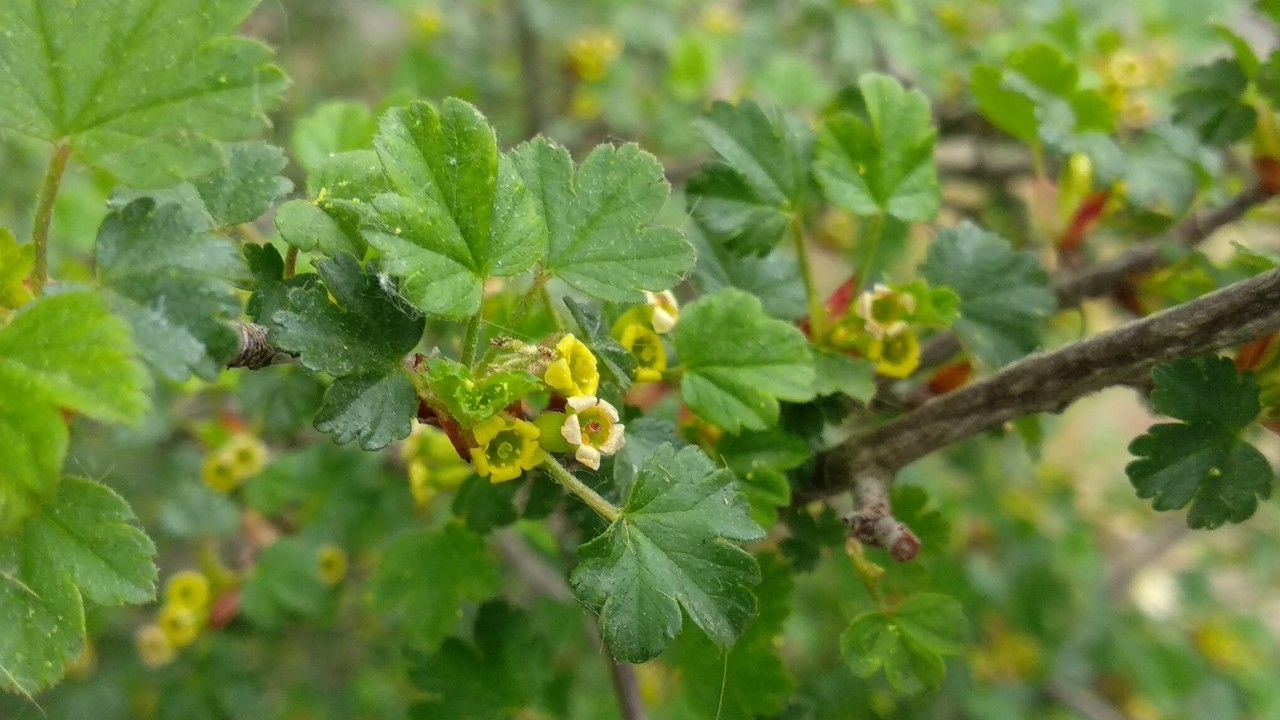
The Sardinian currant, or Ribes sardoum, is a charming shrub celebrated for its vibrant red berries and charming, delicate blooms. Native to the mountainous regions of Sardinia, this unique plant thrives in cooler climates and offers intriguing possibilities for gardeners seeking something special. Intrigued? Let’s unravel the mysteries of propagating Ribes sardoum and unlock its full potential in your garden.
Two Paths to Propagation:
Propagating Ribes sardoum isn’t as complicated as you might think. While it requires some patience and care, the rewards of witnessing new life flourish from seeds or cuttings are well worth the effort.
1. Seed Propagation: A Journey of Patience and Discovery
- Source your seeds: Harvest ripe berries directly from an established Ribes sardoum plant or acquire them from reputable suppliers specializing in unusual fruit varieties.
- Prepare for stratification: Mimic nature’s process by subjecting the seeds to a period of cold treatment. This “stratification” period encourages germination. Mix the seeds with a slightly damp (not wet) medium like vermiculite or sand, and store them in a sealed bag in your refrigerator for 6-8 weeks.
- Time to sow: Once stratified, sow the seeds in a seed tray filled with a well-draining seed starting mix, barely covering them with the medium.
- Patience is key: Maintain consistent moisture and provide a bright location away from direct sunlight. Germination can be slow and erratic, taking several weeks or even months.
- Transplantation time: Once seedlings develop a couple of sets of true leaves, transplant them into individual pots filled with a rich, well-draining potting mix.
2. Cuttings: The Faster Route to Success
- Timing is everything: Take semi-hardwood cuttings in late summer or early fall when the plant’s growth is starting to harden off.
- Select your cuttings: Choose healthy stems that are about 4-6 inches long and have some leaves. Remove the lower leaves to prevent rotting.
- Hormone boost: Dip the cut end of the stem in rooting hormone to encourage root development.
- Planting the cuttings: Plant the cuttings in a pot filled with a well-draining mix, burying the bottom node of the stem.
- Creating a humid environment: Cover the pot with a clear plastic bag or a propagation dome to maintain humidity.
- Rooting magic: With consistent moisture and indirect light, roots should start to form in 4-6 weeks. You can check for root development by gently tugging on the cutting.
Caring for Your New Sardinian Currant Plants:
Whether you choose seeds or cuttings, provide your new Ribes sardoum plants with the right environment to thrive:
- Well-drained soil: Use a potting mix that mimics the plant’s natural mountainous habitat.
- Sun or shade?: Aim for partial shade to mimic the dappled light conditions found in its natural habitat.
- Water wisely: Keep the soil consistently moist, but avoid overwatering.
- Feeding for growth: Apply a balanced fertilizer in spring to fuel healthy growth.
Propagating Ribes sardoum is a rewarding journey for any gardening enthusiast. While it demands patience, the joy of nurturing this unique plant from seed or cutting, and witnessing its delicate blooms emerge, makes the journey truly worthwhile. So, why not embark on this adventure and invite the charm of the Sardinian currant into your own garden?