
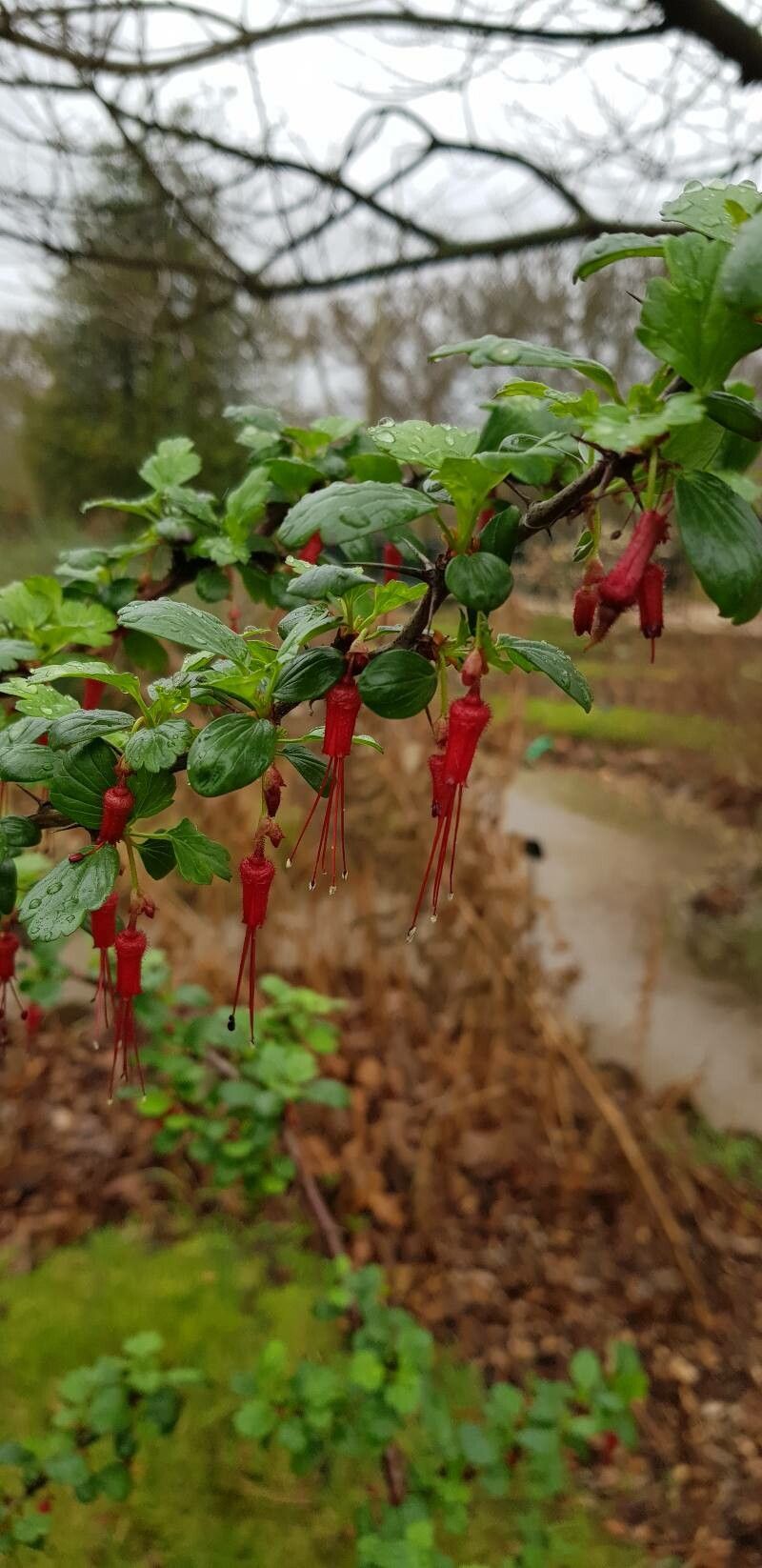
Taming the Fiery Beauty: How to Propagate Ribes speciosum
The Ribes speciosum, also known as the fuchsia-flowered gooseberry or California fuchsia, is a sight to behold. This California native boasts cascading crimson flowers that resemble tiny lanterns, attracting hummingbirds and gardeners alike. While stunning in its own right, many shy away from this plant, intimidated by its thorny demeanor.
But fear not! Propagating your own Ribes speciosum is easier than you think. With a little knowledge and patience, you can multiply your fiery beauties and enjoy a vibrant display year after year.
Let’s explore two effective methods for propagating Ribes speciosum:
1. Seed Propagation:
- Timing is Key: Collect ripe berries in late summer or early fall. Look for plump, dark berries.
- Extract and Clean: Gently squeeze the berries to extract the seeds. Wash away any remaining pulp and allow them to dry completely.
- Cold Stratification: Ribes speciosum seeds require a period of cold stratification to mimic natural winter conditions. Store the seeds in a moist paper towel inside a sealed plastic bag in the refrigerator for 6-8 weeks.
- Sowing Time: In early spring, sow the stratified seeds in seed trays filled with a well-draining seed starting mix. Cover them lightly with soil and water gently.
- Light and Warmth: Place the trays in a bright location, out of direct sunlight. Maintain a temperature around 65-75°F.
- Transplanting: Seedlings will emerge in a few weeks. Once they have developed a few sets of true leaves, transplant them into individual pots or directly into your garden after the last frost.
2. Hardwood Cutting Propagation:
- When to Cut: Take hardwood cuttings in late fall or early winter, when the plant is dormant.
- Select and Prepare: Choose healthy, pencil-thick stems from the current year’s growth. Using sterilized pruning shears, make a clean cut about 6-8 inches long, just below a leaf node.
- Hormone Boost (Optional): Dip the cut end in rooting hormone powder to encourage faster root development.
- Potting Up: Plant the cuttings in pots filled with a well-draining potting mix, burying about one-third of their length.
- Create a Humid Environment: Cover the pots with a plastic bag or use a propagation dome to maintain humidity.
- Indirect Light and Patience: Place the cuttings in a bright spot with indirect light. Rooting can take several weeks to a few months.
- Signs of Success: New growth indicates successful rooting. Once the cuttings are well-rooted, gradually acclimate them to outdoor conditions before planting them in their permanent location.
Caring for Your Newly Propagated Ribes speciosum:
Whether you choose seeds or cuttings, providing the right care is crucial for success:
- Well-Drained Soil: Ribes speciosum prefers well-drained soil. Amend heavy clay soils with compost or sand.
- Sun and Shade Balance: Plant in a location that receives morning sun and afternoon shade, especially in hotter climates.
- Regular Watering: Water deeply and regularly during the first year to establish a strong root system. Once established, they are relatively drought-tolerant.
- Pruning for Shape: Prune lightly after flowering to maintain shape and encourage bushier growth.
With a bit of effort, you can unlock the magic of propagation and fill your garden with the fiery allure of the Ribes speciosum. Soon, you’ll be enjoying their captivating blooms and attracting a symphony of hummingbirds to your own backyard.