
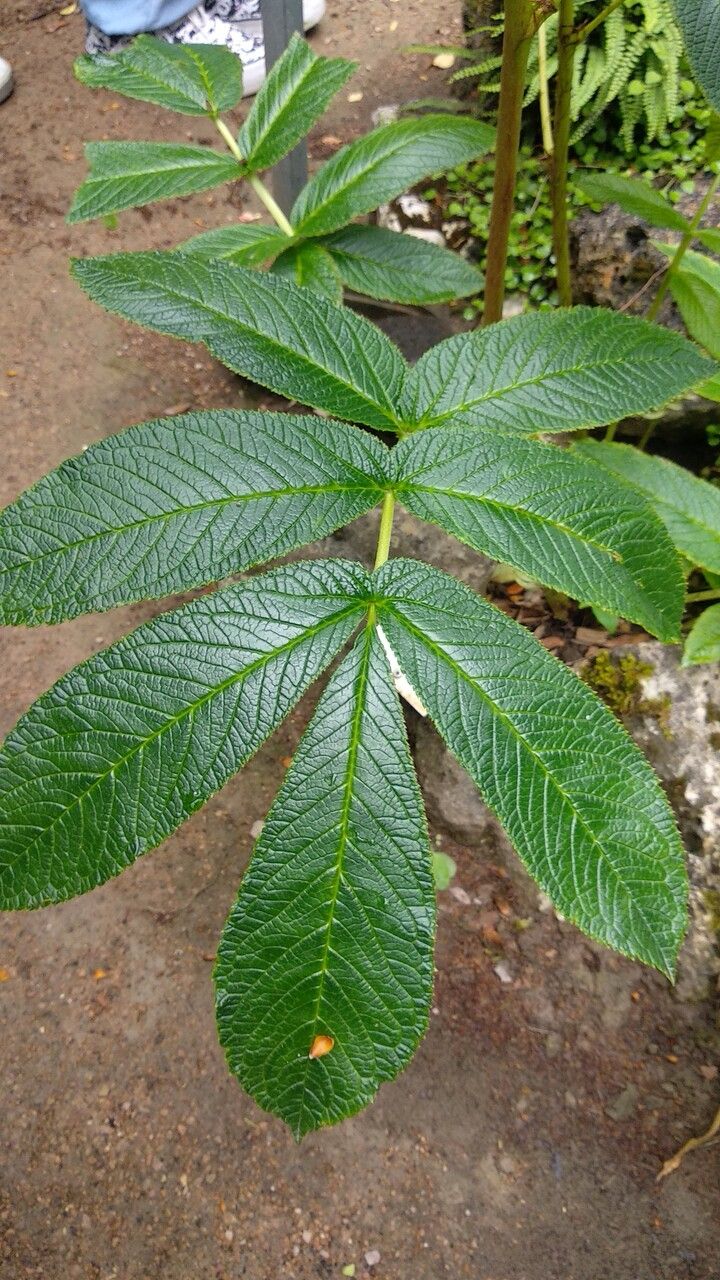
Rodgersia nepalensis: Unlocking the Secrets to Propagation
Rodgersia nepalensis, with its magnificent, palm-like leaves and delicate clusters of feathery flowers, is a stunning addition to any garden. But what if you could enjoy even more of these beauties? Propagation offers a fantastic way to expand your Rodgersia nepalensis collection, allowing you to share these breathtaking plants with friends or fill more areas of your garden with their elegant charm.
Understanding Rodgersia Propagation
Rodgersia nepalensis, like many perennials, can be propagated using a few different methods:
- Division: This is the most common and reliable method. Simply divide established clumps in early spring or late summer, ensuring each division has healthy roots and at least one growing point.
- Seed Propagation: While possible, this method is less common and can be more time-consuming. Rodgersia seeds need cold stratification (exposure to cold temperatures) to germinate. This can be achieved by sowing seeds in a cold frame or outdoors in autumn and allowing them to germinate naturally in the spring.
- Root Cuttings: This is a less conventional method, but it can be successful. Take root cuttings in early spring from healthy, dormant plants. Ensure each cutting includes a portion of the root with a bud.
Diving Deeper: Division for Success
Division is the most user-friendly method for propagating Rodgersia nepalensis. Here’s a step-by-step guide:
1. Time Your Division Carefully: The ideal time for dividing Rodgersia nepalensis is in early spring, just as new growth emerges, or in late summer after the plant has finished flowering. Avoid dividing during hot, dry periods.
2. Prepare for Division: Dig a trench around the perimeter of the plant clump and gently lift it using a garden fork.
3. Divide the Clump: Carefully separate the plant using your hands or a sharp knife. Each division should have healthy roots and at least one growing point (a point where new growth emerges).
4. Replant the Divisions: Plant each division in a well-prepared bed or pot, ensuring that the crown (where the roots and stem meet) is at or slightly above soil level. Water your newly planted Rodgersia well.
5. Aftercare for Successful Growth: Provide consistent moisture to your new divisions and fertilize lightly in the spring to encourage healthy growth.
Propagation Tips for Maximum Success:
- Sharp Tools: Use sterilized tools to prevent spreading diseases.
- Healthy Plants: Choose healthy, vigorous plants for propagation.
- Moist Environment: Keep the soil moist and shaded during the rooting process.
- Patience: Be patient! It may take a few months for new divisions to establish themselves.
Rodgersia nepalensis: Propagation for a Thriving Garden
By understanding and applying these simple propagation methods, you can expand your collection of Rodgersia nepalensis, filling your garden with their graceful charm and captivating beauty. Share the joy of these magnificent plants with friends or create your own personal oasis of these captivating foliage wonders.