
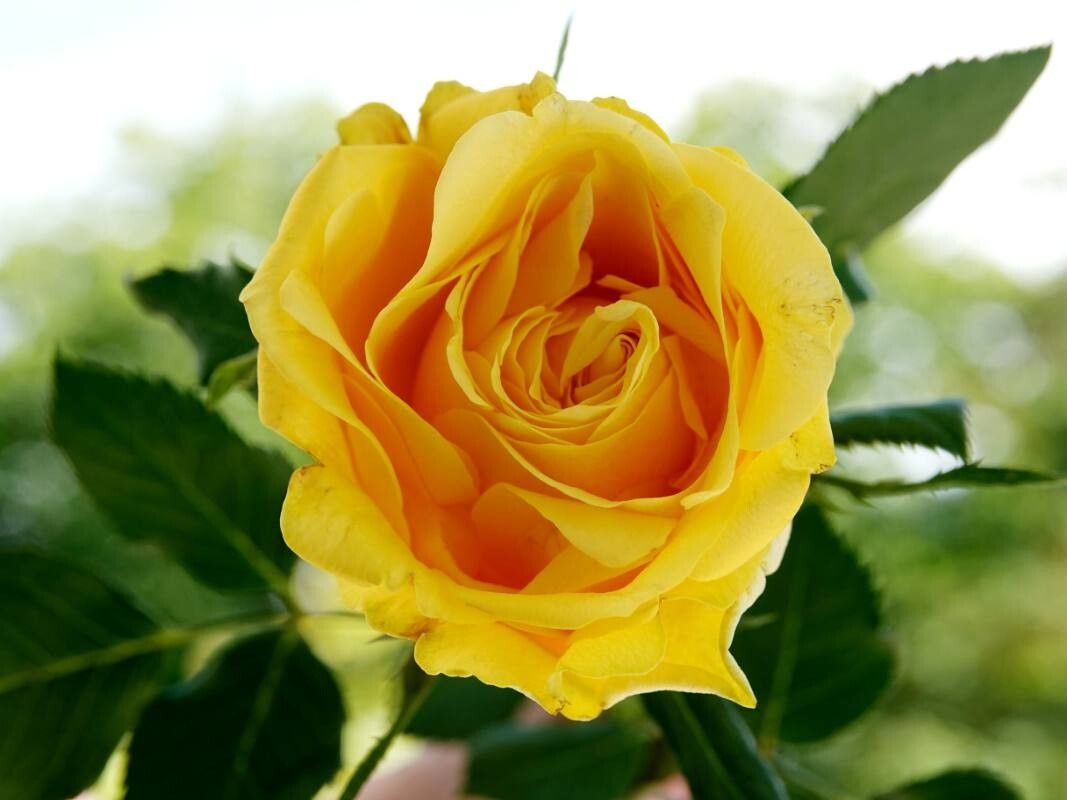
Taming the Wild Beauty: Propagating Rosa foetida, the Austrian Briar
The Rosa foetida, also known as the Austrian Briar, isn’t your typical rose. It might not have the classic fragrance of its more popular cousins, but what it lacks in traditional perfume, it makes up for in vibrant color and untamed beauty. Its single-petaled blooms burst forth in shades of brilliant yellow and copper, adding a touch of the exotic to any garden.
If you’re looking to invite this wild beauty into your own outdoor space, you might be surprised to learn that propagating Rosa foetida is a relatively straightforward process. Let’s delve into the two most effective methods:
1. Propagation from Cuttings:
This method harnesses the rose’s natural ability to regenerate from stem sections. Here’s how:
- Timing is Key: The optimal period is late summer to early autumn, when the plant’s energy is focused on storing resources.
- Selecting the Right Cuttings: Aim for healthy, non-flowering stems approximately 6-8 inches long. Look for stems that have just finished producing flowers for best results.
- Preparing the Cuttings: Using a sharp, sterilized knife or pruning shears, make a clean cut just below a leaf node (the bump where a leaf emerges). Remove the leaves from the lower two-thirds of the cutting.
- Encouraging Root Development: Dip the bottom inch of the cutting in rooting hormone powder. While not strictly necessary, this can significantly enhance the success rate.
- Planting the Cuttings: Plant each cutting in a pot filled with a well-draining potting mix, ensuring the top two leaf nodes are above the soil.
- Creating a Humid Environment: Cover the pot with a plastic bag or a propagation dome to maintain high humidity and warmth.
- Patience is a Virtue: Place the pot in a shaded location and keep the soil consistently moist. Root development can take several weeks to a few months.
2. Propagation by Seed:
While slightly less predictable than cuttings, propagation by seed allows for a wider range of genetic variation and the potential for unique blooms.
- Harvesting the Seeds: Collect ripe rose hips in late summer or early fall. The hips should be plump and have turned a deep orange or red.
- Extracting and Cleaning the Seeds: Cut open the hips and carefully remove the seeds. Cleanse the seeds thoroughly to remove any remaining pulp.
- Cold Stratification: For optimal germination, rose seeds require a period of cold stratification. Place the cleaned seeds in a damp paper towel and seal them in a plastic bag. Store the bag in the refrigerator for 6-8 weeks.
- Sowing the Seeds: After stratification, sow the seeds in seed trays filled with seed starting mix, covering them lightly with soil.
- Providing Optimal Conditions: Place the seed trays in a bright location, out of direct sunlight. Keep the soil consistently moist but not waterlogged.
- Transplanting the Seedlings: Once the seedlings have developed a few sets of true leaves, transplant them into individual pots.
No matter which method you choose, remember that patience and attention to detail are crucial. With a little care and effort, you’ll be rewarded with the satisfaction of successfully propagating your own stunning Rosa foetida, bringing its wild and captivating beauty to your garden for years to come.