
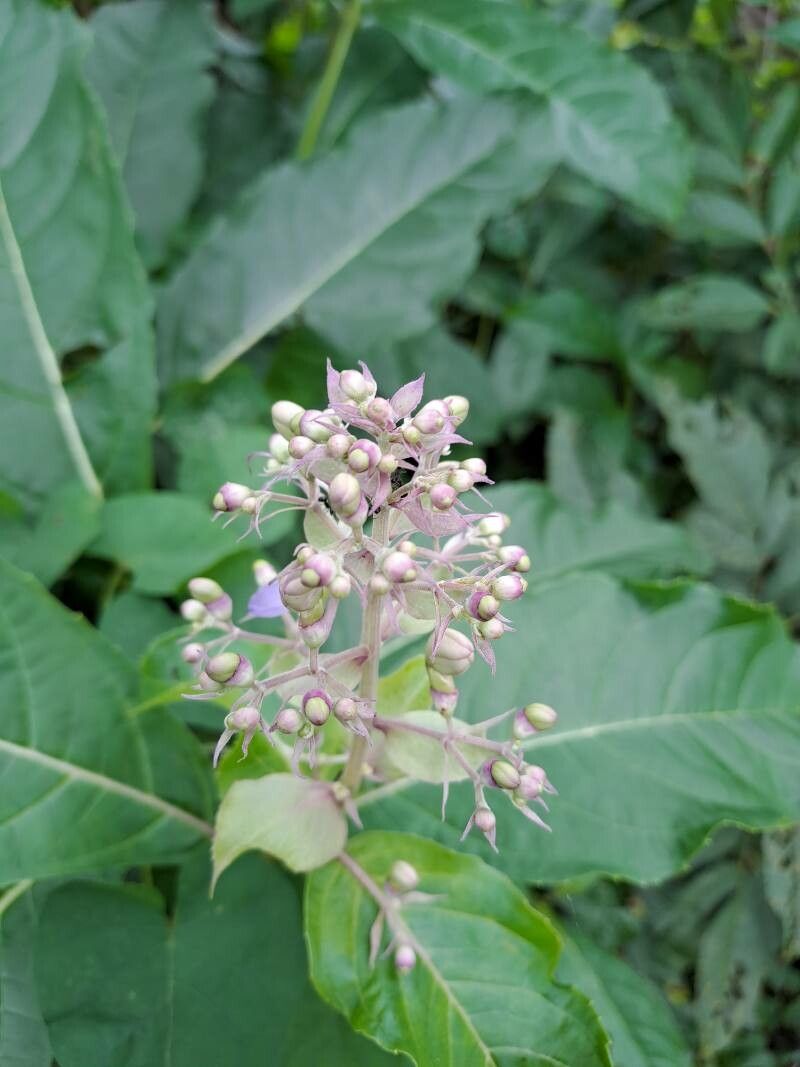
Propagating Rotheca serrata: Growing the False-Hardenbergia
Rotheca serrata, commonly known as False-Hardenbergia, is a captivating shrub prized for its vibrant, showy flowers and relatively low maintenance needs. Its attractive foliage and long blooming period make it a popular choice among gardeners, particularly in warmer climates. However, its propagation can present some unique challenges. This article explores various methods, highlighting their viability and offering practical advice for successful cultivation.
Seed Germination:
Currently, there are no known reliable methods for seed germination propagation of Rotheca serrata. While seeds may be produced, germination rates are notoriously low, and even when germination occurs, seedling viability is often poor. Further research into specific seed treatment techniques is needed to determine if this propagation method can be made viable.
Cuttings:
Cuttings represent a more reliable method for propagating Rotheca serrata.
Challenges: The primary challenge lies in achieving successful rooting. The success rate can vary depending on the time of year, the age and health of the parent plant, and the chosen rooting medium.
Practical Tips: Softwood cuttings, taken in spring or early summer from the current year’s growth, generally exhibit the highest success rate. These cuttings should be about 4-6 inches long, with the lower leaves removed to prevent rotting. Dip the cut ends in rooting hormone before planting in a well-draining medium such as a mix of perlite and peat moss. Maintain high humidity (e.g., using a propagator or plastic bag) and consistent moisture, but avoid overwatering, which can cause rot. Rooting usually takes several weeks.
Rewards: Cuttings offer a relatively quick way to produce genetically identical plants, preserving desirable traits of the parent plant. It’s a more reliable method compared to seed propagation, leading to higher success rates.
Division:
Division is a practical method for established, mature Rotheca serrata plants.
Challenges: This method requires careful handling to avoid damaging the root system. Only larger, well-established plants are suitable for division.
Practical Tips: The best time for division is during the dormant season or early spring. Dig up the plant carefully, and gently separate the root ball into smaller sections, ensuring each section has healthy roots and stems. Replant the divisions immediately in well-prepared soil. Water thoroughly after planting.
Rewards: Division allows for the easy multiplication of established plants, avoiding the lengthy process of growing from cuttings or the unreliable seed method. It’s relatively quick and has a significantly higher success rate compared to other methods.
Tissue Culture:
Tissue culture offers the potential for large-scale propagation and the production of disease-free plants.
Challenges: Tissue culture requires specialized equipment, a sterile environment, and a good understanding of plant tissue culture techniques. It is a more technically demanding method compared to cuttings or division.
Practical Tips: Sterile conditions are crucial. Explant selection and appropriate media preparation are vital for successful propagation. The process involves sterilely isolating plant tissues, growing them in a nutrient-rich medium, and then transferring them to rooting media.
Rewards: The primary reward is the potential for mass production of genetically identical plants, allowing for rapid propagation and disease control. This method is particularly useful for conservation efforts or commercial production.
Conclusion:
Propagating Rotheca serrata presents unique challenges. While seed propagation remains unreliable, cuttings and division offer viable, though not always straightforward, options. Tissue culture provides the potential for large-scale propagation but requires specialized knowledge and equipment. The unique satisfaction of successfully cultivating this beautiful plant, after navigating the challenges of propagation, is deeply rewarding. The patience and persistence required are handsomely repaid with the flourishing beauty of the False-Hardenbergia in your garden. For aspiring propagators, I encourage exploring the cutting method initially; once you’ve mastered that, consider experimenting with division if you have a mature plant. Embrace the learning process, don’t be discouraged by setbacks, and enjoy the journey of growing this remarkable plant.