
Unlocking the Secrets to Propagating the Majestic Rothmannia capensis
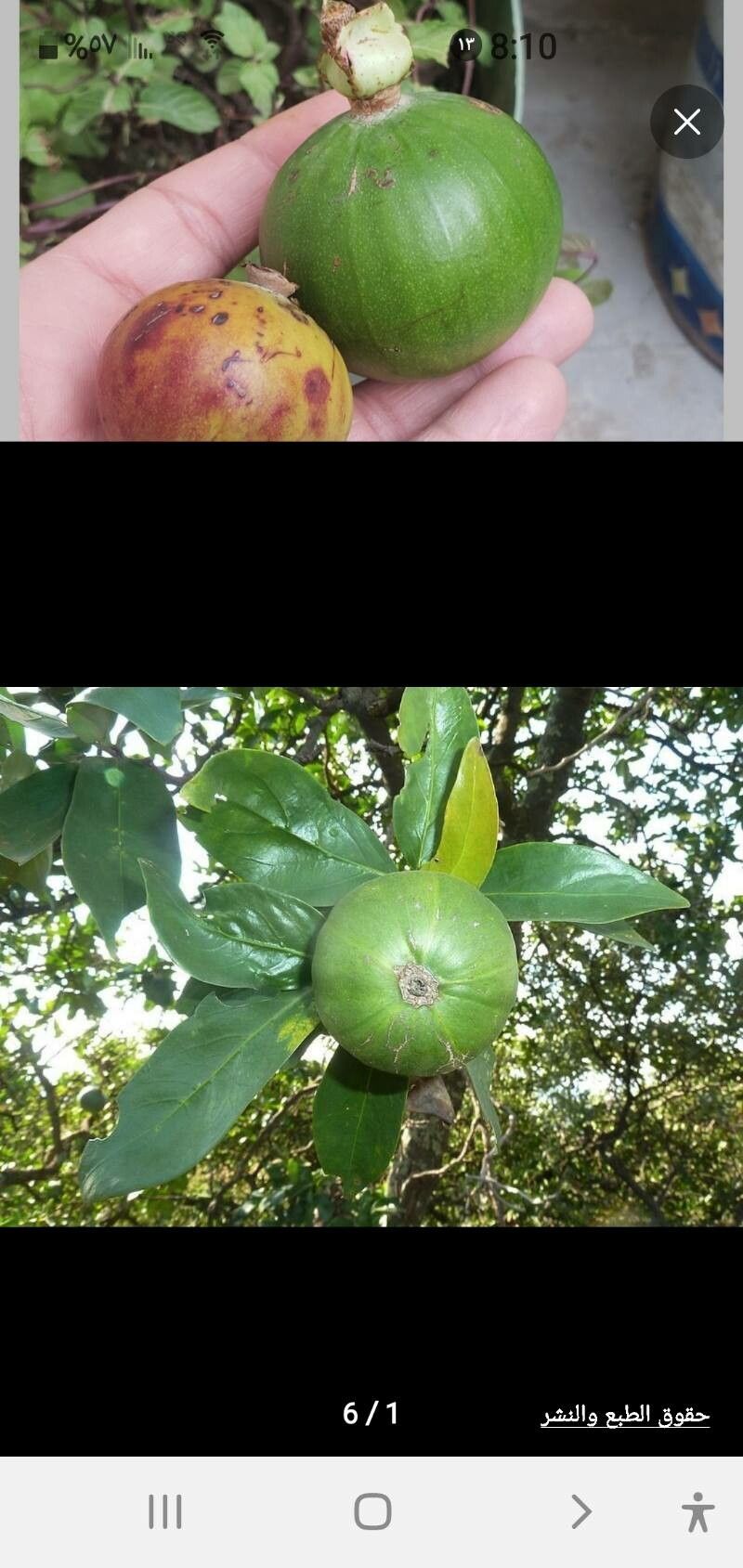
The Rothmannia capensis, also known as the Cape Chestnut or Wild Gardenia, is a South African native prized for its glossy leaves, fragrant, trumpet-shaped flowers, and unique, spiny fruit. This small tree or shrub can be a stunning addition to gardens with mild climates, rewarding patient gardeners with its exotic beauty. But propagating this magnificent plant can seem like a challenge. Fear not, fellow plant enthusiasts, for we’re about to unlock the secrets to successfully growing more Rothmannia capensis.
Propagation Methods:
While Rothmannia capensis can be tricky to propagate, it’s not impossible. Here are the two most common methods:
1. Seed Propagation:
- Harvesting the Seeds: The fruit of the Rothmannia capensis ripens in the fall and resembles a small, woody capsule. Inside, you’ll find numerous small seeds. Allow the fruit to fully dry and then gently crack it open to collect the seeds.
- Sowing the Seeds: Sow the seeds in a well-draining seed-starting mix, covering them lightly with soil. Rothmannia capensis prefers slightly acidic soil, so amending your mix with peat moss can be beneficial.
- Providing the Right Conditions: Place the seed tray in a warm, bright location, out of direct sunlight. Maintaining consistent moisture is crucial for germination. Consider using a humidity dome or misting the soil regularly to prevent it from drying out. Germination can be slow and erratic, taking anywhere from a few weeks to several months.
- Transplanting Seedlings: Once your seedlings have developed a few sets of true leaves and are large enough to handle, transplant them into individual pots with a well-draining potting mix.
2. Semi-Hardwood Cuttings:
- Taking the Cuttings: In late spring or early summer, take 4-6 inch cuttings from healthy, non-flowering stems. Make your cut just below a leaf node, and remove the leaves from the lower half of the cutting.
- Preparing the Cuttings: To encourage rooting, dip the cut end of the stem in a rooting hormone powder.
- Planting the Cuttings: Plant the cuttings in a well-draining potting mix, ensuring the bottom node is buried. You can create a humid environment by enclosing the pot in a clear plastic bag or using a propagator.
- Rooting and Growth: Keep the cuttings consistently moist and in a warm, bright location, out of direct sunlight. Rooting usually takes several weeks. Once you see new growth, you can gradually acclimate your cutting to normal conditions and later transplant it into a larger pot.
Patience is key!
Propagating Rothmannia capensis requires patience and persistence. Both seed and cutting propagation can be slow, and not all attempts may be successful. But with the right conditions and a bit of luck, you can propagate these beautiful plants and enjoy watching them thrive in your garden.
Tips for Success:
- Use high-quality, well-draining soil: Rothmannia capensis is susceptible to root rot if the soil remains waterlogged.
- Provide adequate light: While young plants prefer some shade, mature plants thrive in bright, indirect light.
- Water deeply but infrequently: Allow the soil to dry out slightly between waterings.
- Fertilize regularly during the growing season: Use a balanced fertilizer to support healthy growth.
By following these guidelines, you’re well on your way to successfully propagating and enjoying the unique beauty of Rothmannia capensis for years to come!