
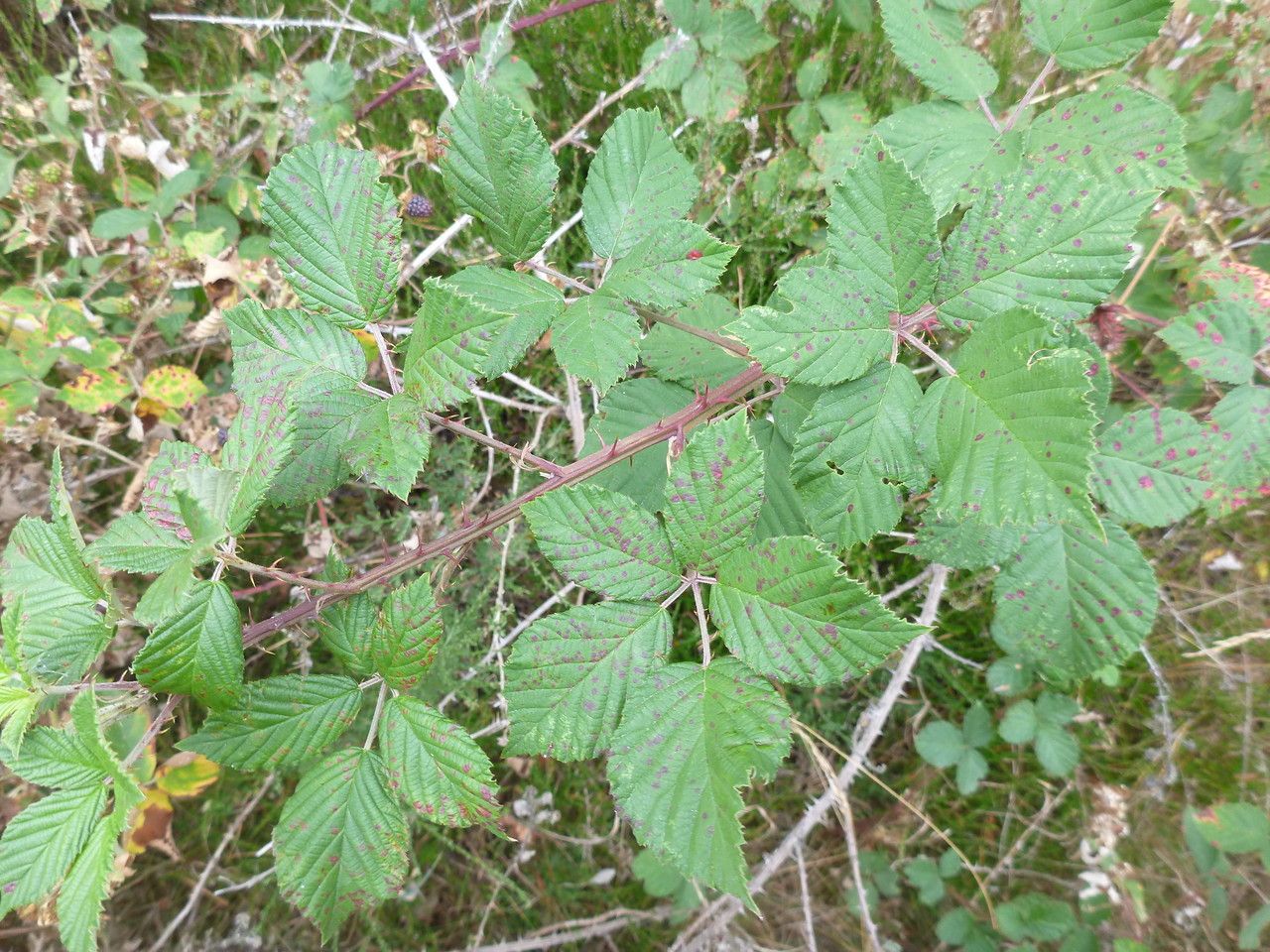
Taming the Wild Raspberry: Propagating Rubus acutidens
The world of brambles holds more than just your average backyard blackberry. Enter Rubus acutidens, a wild raspberry native to the western United States, boasting delicate white flowers and tart, flavorful berries. If you’re captivated by the allure of cultivating this unique fruit, then learning to propagate it is your key to success.
Why Propagate?
Propagation, the practice of creating new plants from existing ones, offers several benefits for the adventurous gardener:
- Preserving desirable traits: Maybe you’ve stumbled upon a Rubus acutidens with particularly large berries or a plant that flourishes in your specific climate. Propagation allows you to replicate these valued characteristics.
- Cost-effective gardening: Starting plants from scratch can be significantly more budget-friendly than purchasing them.
- The satisfaction of growing your own: There’s a unique reward in nurturing a plant from its earliest stages and witnessing its development.
Methods for Success
Fortunately, Rubus acutidens is quite amenable to propagation, offering a couple of primary methods:
- Seed Collection: Harvest ripe berries and gently extract the seeds. Cleanse them of any remaining fruit pulp.
- Stratification (Cold Treatment): Rubus acutidens seeds require a period of cold stratification to mimic natural winter conditions and break dormancy. Place the seeds in a moist medium like sand or vermiculite, seal them in a plastic bag, and refrigerate them for 60-90 days.
- Sowing: Once stratified, sow the seeds in a well-draining seed-starting mix, barely covering them.
- Care: Keep the seedlings consistently moist and provide bright, indirect light.
Cuttings: This method offers a faster route to fruit-bearing plants.
- Timing is Key: Take cuttings in late spring or early summer from healthy, actively growing stems.
- Cutting Selection and Preparation: Select sections of stem about 4-6 inches long, making a clean cut just below a leaf node. Remove the lower leaves, leaving only 2-3 at the top.
- Rooting Hormone (Optional): While not essential, dipping the cut end in rooting hormone can encourage faster root development.
- Planting: Insert the cuttings into a well-draining medium, burying at least two nodes below the surface.
- Creating a Humid Environment: Cover the cuttings with a plastic bag or humidity dome to retain moisture and promote rooting.
- Transplanting: Once the cuttings show signs of new growth, they can be transplanted into individual pots or outdoors.
Patience is a Virtue
Regardless of your chosen propagation method, be prepared to exercise patience. Seeds can take several weeks to germinate, while cuttings may require several months to establish robust root systems.
Reaping the Rewards
Successfully propagating your own Rubus acutidens is an accomplishment to be savored. Not only will you enjoy the satisfaction of nurturing new life, but you’ll also gain the bounty of uniquely delicious raspberries, adding a touch of the wild to your garden and your table.