
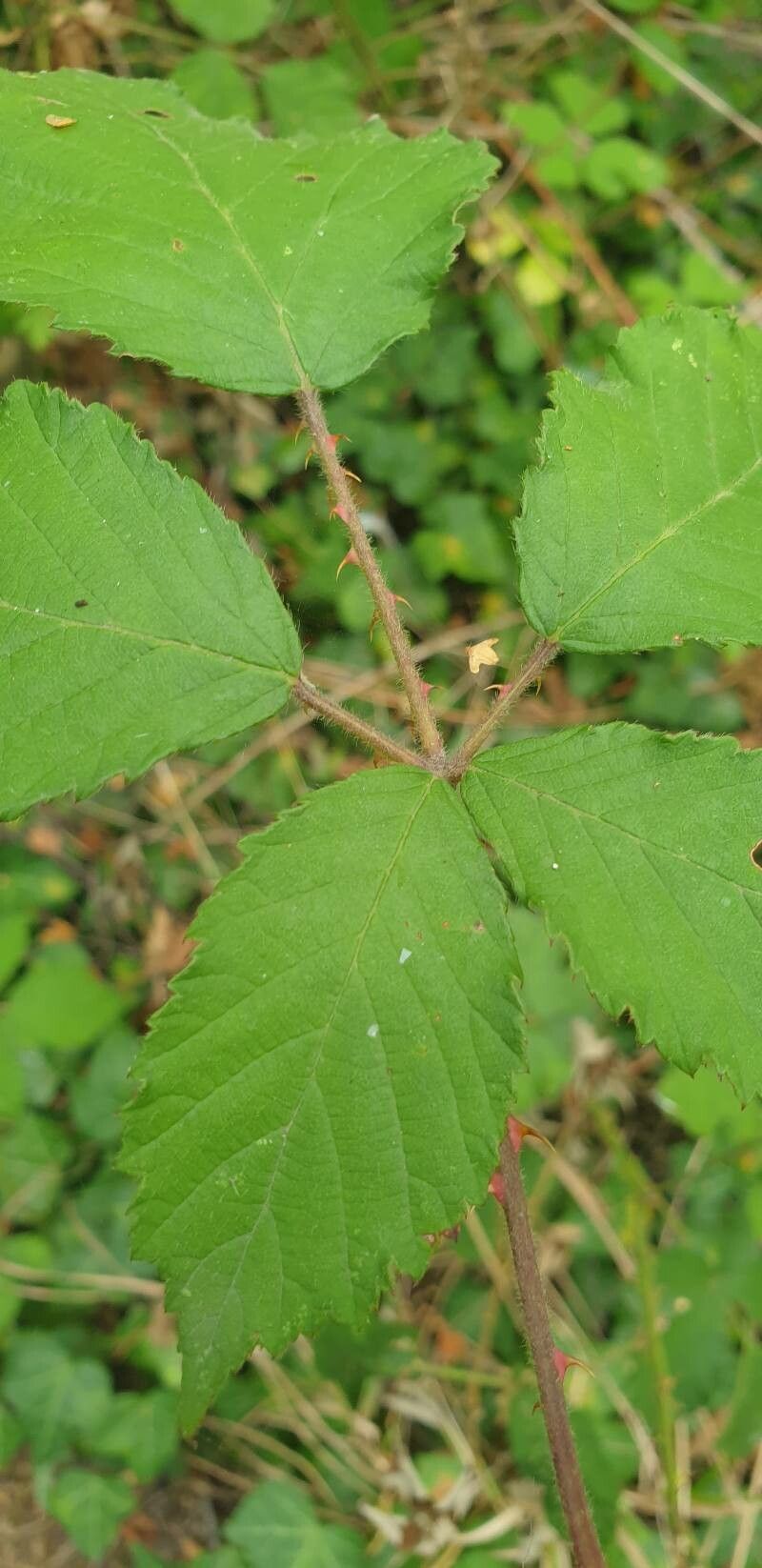
Taming the Wild: Propagating Delicious Rubus boraeanus Berries at Home
The Rubus boraeanus, known affectionately as the Northern blackberry, Alaska blackberry, or snow raspberry, offers a unique combination of delicious flavor and hardy resilience. Native to the northern regions of North America, this intriguing berry plant thrives in colder climates that would send other berries running for cover. If you’re looking for a rewarding and relatively easy plant to propagate at home, the Rubus boraeanus is a fantastic choice. Let’s explore the different methods you can use to welcome this wild gem into your own backyard.
Understanding the Rubus boraeanus
Before diving into propagation, it’s helpful to understand what makes this berry bush unique. Unlike its domesticated cousins, the Rubus boraeanus boasts an upright, almost shrub-like growth habit. Its berries, smaller than commercially grown blackberries, pack a sweet and tangy punch that’s well worth the effort. But be warned, the plant earns its “Northern blackberry” nickname with its thorny stems – gardening gloves are a must!
Propagation Methods:
Now, let’s delve into the exciting part: multiplying your berry bounty.
1. Seed Propagation:
- The Adventure: While possible, growing Rubus boraeanus from seed can be a bit of a waiting game. The seeds exhibit delayed germination, meaning they might take a full year (or even two!) to sprout.
- The Process:
- Harvest ripe berries and gently extract the seeds.
- Clean the seeds and allow them to dry completely.
- In fall, sow the seeds in a seed starting mix, barely covering them.
- Provide consistent moisture and overwinter them in a cold frame or sheltered outdoor location.
- Germination should (hopefully!) occur the following spring.
- The Efficiency: For faster results, hardwood cuttings are the way to go. This method utilizes the plant’s dormant stems to generate new growth.
- The Process:
- In late fall or early winter, select healthy, pencil-thick stems.
- Cut 6-8 inch sections, ensuring each cutting has at least 3-4 buds.
- Dip the cut ends in rooting hormone (optional, but helpful).
- Plant the cuttings in a moist, well-draining mixture, leaving one bud above the soil line.
- Keep the cuttings in a cool, bright location, and maintain consistent moisture.
- Roots should develop within a few months, and you can transplant them outdoors in the spring.
3. Suckering:
- The Natural Way: Rubus boraeanus is known for sending out suckers – new shoots emerging from the base of the plant. This natural propagation method is the easiest and often yields the quickest results.
- The Process:
- In early spring or late fall, carefully dig around a healthy sucker, ensuring it has a good root system.
- Separate the sucker from the parent plant using a sharp, clean tool.
- Plant the sucker in a prepared bed with well-draining soil.
- Water thoroughly and provide support if needed.
Tips for Success:
- Location, Location, Location: Choose a sunny spot for your Rubus boraeanus. They tolerate some shade but thrive with ample sunlight.
- Well-Drained Soil: Avoid soggy roots! These berries prefer soil that drains well. Amending with compost can improve drainage and fertility.
- Patience is Key: Remember, while suckers might offer immediate gratification, seeds and cuttings require time to establish. Don’t despair if you don’t see results right away.
With a little patience and the right techniques, you can successfully propagate Rubus boraeanus and enjoy an abundance of these unique and delicious berries for years to come. So, grab those gardening gloves, and let the propagation fun begin!