
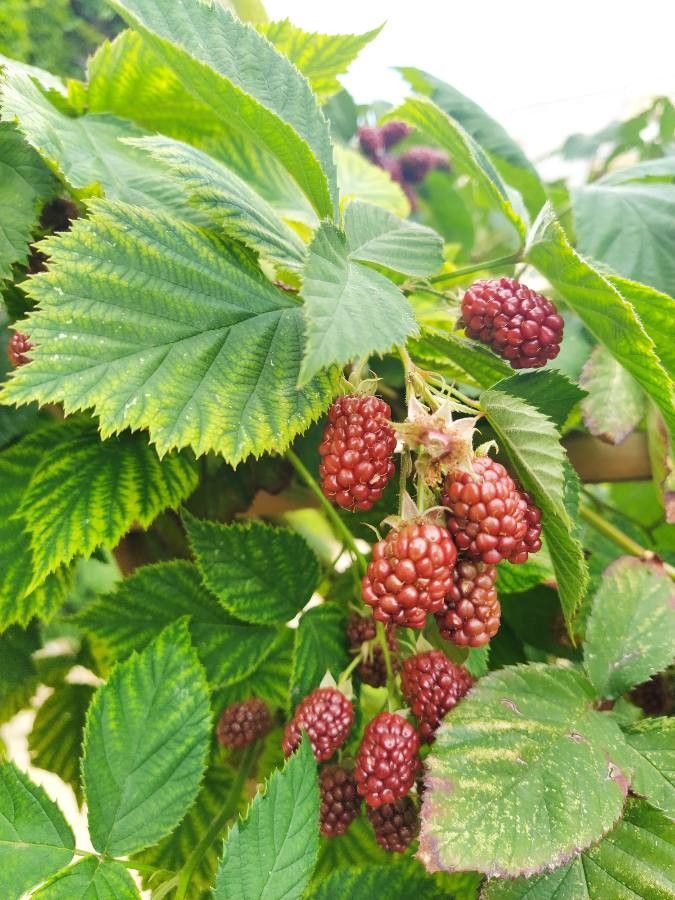
Taming the Wild: How to Propagate Smooth Blackberry (Rubus canadensis)
The Smooth Blackberry, or Rubus canadensis, offers more than just a delicious taste of the wild. This native bramble brings a touch of untamed beauty to gardens, attracting pollinators with its delicate white flowers and providing food for wildlife with its juicy berries. While you might stumble upon this tenacious plant thriving along forest edges, bringing its charm closer to home is easier than you think. Let’s delve into the world of propagating smooth blackberry and learn how to cultivate this wonderful plant.
Understanding the Smooth Blackberry
Before diving into propagation techniques, it’s important to understand the plant’s nature. Rubus canadensis, unlike its thorny cousins, boasts smooth, thornless canes, making it a less intimidating addition to the garden. This variety thrives in sunny locations with well-drained soil, showcasing its white blooms in spring, followed by its signature sweet-tart berries in summer.
Methods for Successful Propagation
Propagating smooth blackberry is a rewarding endeavor that can be accomplished through various methods:
Seed Propagation:
- Source: Harvest ripe berries and gently extract the seeds.
- Process: Clean the seeds and allow them to dry completely. In late fall, sow them directly into prepared soil outdoors or start them indoors in a seed-starting mix 6-8 weeks before the last frost.
- Pros: Cost-effective and allows for genetic diversity.
- Cons: Can be slow, and plants may not resemble the parent plant.
- Source: In late spring or early summer, take 4-6 inch cuttings from new, non-flowering stems.
- Process: Remove the lower leaves, leaving 2-3 at the top. Dip the cut end in rooting hormone and plant it in a well-draining potting mix. Keep the cuttings consistently moist and in a humid environment.
- Pros: Relatively simple and produces plants identical to the parent.
- Cons: Requires more attention to moisture and humidity.
Tip Layering:
- Source: This method utilizes the plant’s natural tendency to root from the tips.
- Process: In late summer or early fall, bend a healthy cane towards the ground, ensuring the tip touches the soil. Bury the tip a few inches deep and anchor it with a rock or landscape pin. Roots should develop over the fall and winter.
- Pros: High success rate and requires minimal effort.
- Cons: Limited to the number of available cane tips.
Transplanting and Care
Once your new smooth blackberry plants are established, it’s time to transplant them. Choose a sunny spot with well-drained soil and space them 2-3 feet apart. Water them regularly, especially during dry periods. Fertilize them in early spring with a balanced fertilizer.
Reaping the Rewards
With a little patience and care, propagating your own smooth blackberry plants will reward you with a bountiful harvest of delicious berries. Enjoy them fresh, bake them into pies, or transform them into jams – the possibilities are endless! By embracing the propagation process, you not only cultivate a fruitful plant but also connect with nature’s ingenuity.