
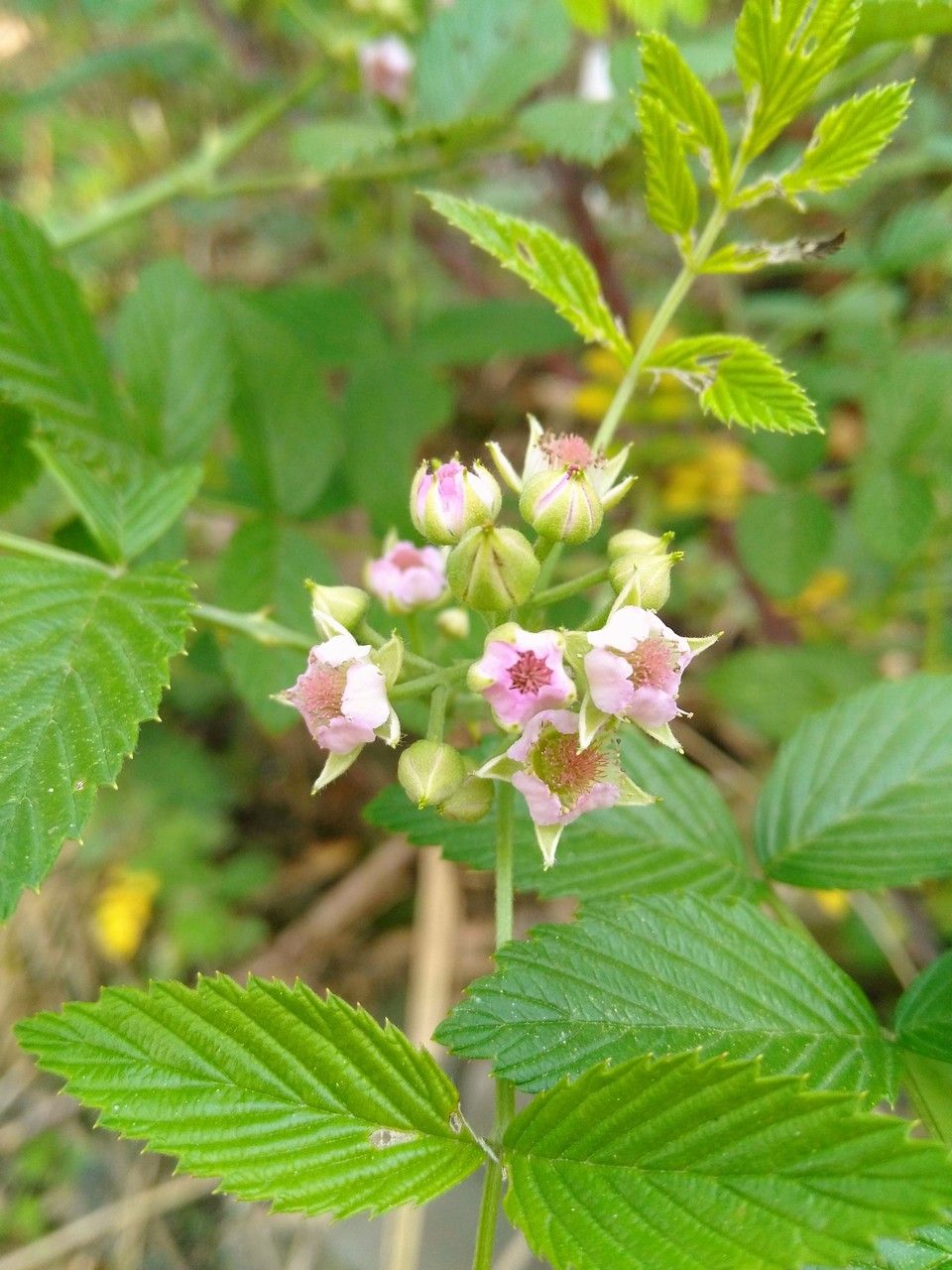
Unlocking the Secrets of Korean Raspberry Propagation: A Guide for Every Gardener
The Korean Raspberry, scientifically known as Rubus coreanus, is a delightful addition to any garden. This versatile shrub boasts stunning autumn foliage, delicate white flowers, and most importantly, deliciously sweet and tart berries. If you’re eager to multiply your Korean Raspberry patch and share its bounty, you’re in luck! This guide will delve into the various propagation methods, empowering you to grow these wonderful plants with confidence.
Three Paths to Raspberry Riches
Korean Raspberries are surprisingly adaptable and can be propagated in several ways. Each technique has its own pros and cons, making it important to choose the method that best suits your gardening style and resources.
1. Seed Propagation: A Journey of Patience and Reward
While it requires the most patience, starting from seed allows you to witness the entire life cycle of your Korean Raspberry.
- Source your seeds: You can carefully extract them from ripe berries or purchase them from a reputable supplier.
- Stratification for Success: Korean Raspberry seeds benefit from a period of cold stratification. Mix the seeds with damp peat moss, seal them in a plastic bag, and store them in the refrigerator (around 4°C) for 6-8 weeks. This mimics the natural winter conditions and encourages germination.
- Sowing Time: Sow the stratified seeds in seed trays filled with a well-draining seed starting mix, pressing them gently onto the surface. Mist the soil and cover the tray with a plastic dome or wrap to maintain humidity.
- Patience is Key: Germination can take anywhere from a few weeks to a couple of months. Once the seedlings develop a few sets of true leaves, transplant them into individual pots and continue to grow them indoors or in a protected area until they are large enough to be planted outdoors.
2. Cuttings: A Faster Track to Fruiting
Propagating from hardwood cuttings is a faster method and ensures you’re creating a plant genetically identical to the parent.
- Timing is Everything: Take hardwood cuttings in late fall or early winter when the plant is dormant.
- Choosing the Right Cuttings: Select healthy, pencil-thick stems. Make a 6-8 inch cutting just below a leaf node and remove the leaves from the bottom half.
- Planting the Cuttings: Dip the cut end in rooting hormone to encourage root development. Plant the cuttings in a pot filled with a well-draining potting mix, burying at least half of the cutting.
- Nurturing New Roots: Water the cuttings well and provide them with a warm, humid environment. Covering the pot with a plastic bag can help retain moisture.
- Transplantation Time: After a few months, the cuttings should develop a healthy root system. Once the danger of frost has passed, transplant them to their permanent location in the garden.
3. Suckers: Nature’s Gift for Easy Propagation
Korean Raspberries often produce suckers, which are new shoots that emerge from the base of the plant. These are essentially clones and the easiest way to propagate.
- Identify and Separate: Look for healthy suckers growing at a distance from the main plant. Carefully dig around the sucker, ensuring it has its own root system.
- Replanting: Plant the sucker in a prepared bed with well-drained soil and water it thoroughly.
Nurturing Your Korean Raspberry Progeny
No matter which propagation method you choose, your new Korean Raspberry plants will thrive in well-drained soil and a location with plenty of sunlight. Regular watering, especially during dry spells, and annual fertilization will ensure healthy growth and bountiful berry production.
With a bit of patience and care, you can propagate your own patch of Korean Raspberries and enjoy the fruits (literally!) of your labor for years to come.