
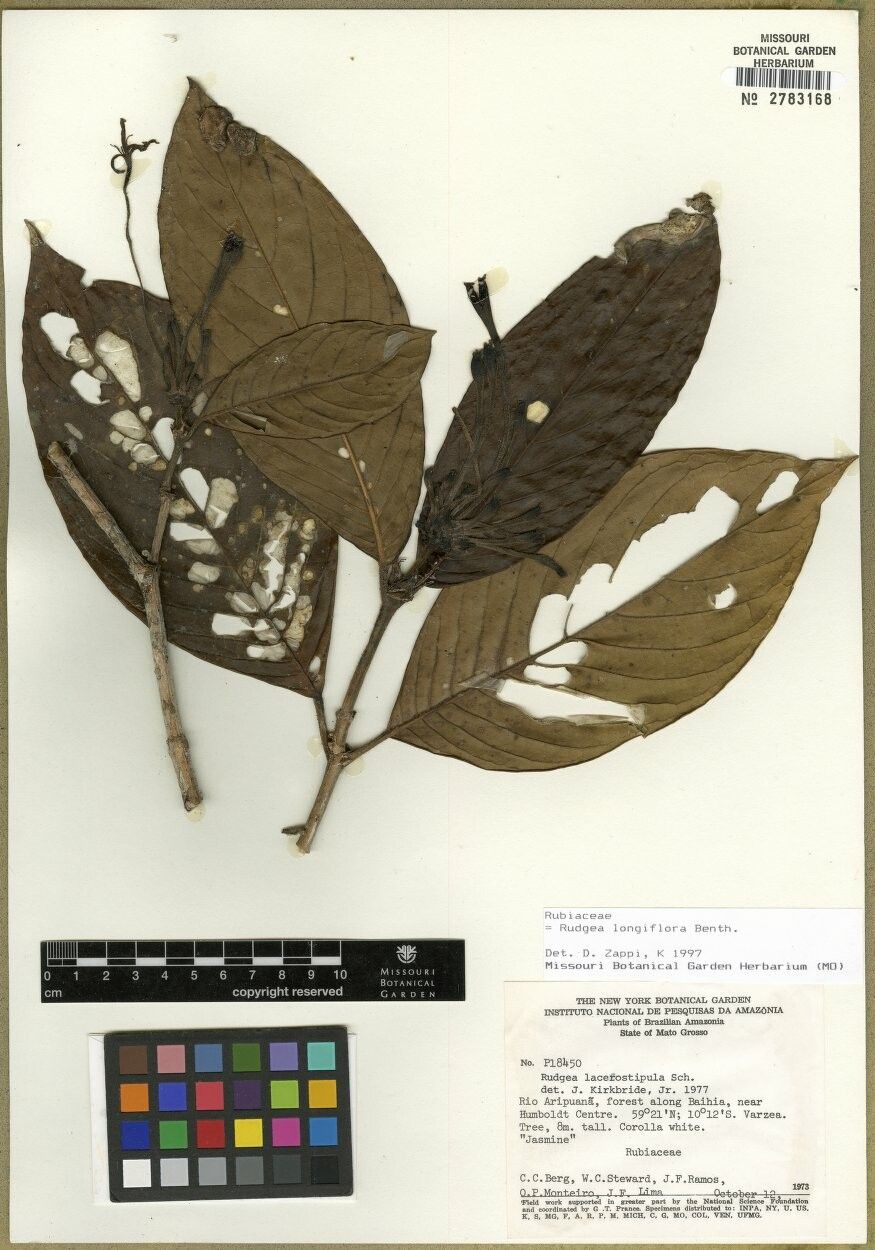
Growing More of the Mystical Rudgea Longiflora: A Guide to Propagation
The Rudgea longiflora, with its striking, long, tubular flowers and lush tropical foliage, is a plant that captures the imagination. But what if you could share this beauty with others or fill your own garden with more of this captivating plant? The good news is, propagating Rudgea longiflora is achievable, even for novice gardeners!
This guide explores the various methods of propagation for Rudgea longiflora, providing you with the knowledge and steps to successfully cultivate new plants from existing ones.
Methods of Propagation:
1. Stem Cuttings: This is arguably the most common and straightforward method for propagating Rudgea longiflora. Here’s a step-by-step breakdown:
- Select Healthy Stems: Choose a healthy, non-flowering stem with at least 3 nodes (the bumps on the stem where leaves grow). Cut the stem just below a node using a sharp, clean blade.
- Prepare the Cuttings: Strip the leaves from the lower node or two, leaving a few leaves at the top. Dip the cut end in rooting hormone powder, which encourages root development.
- Planting: Insert the cut end into a pot filled with a moist, well-draining potting mix. Keep the soil consistently moist but not soggy. Place the pot in a warm, bright location but out of direct sunlight.
- Patience is Key: Root development takes time, typically 4-6 weeks. Maintain consistent humidity and warmth during this period.
2. Air Layering: For larger plants, air layering is an excellent method. This technique involves encouraging roots to develop directly on the stem while the plant is still attached.
- Choose a Stem: Select a healthy, mature stem at least a foot long. Make a shallow cut into the bark, exposing the cambium layer.
- Apply Rooting Hormone: Apply rooting hormone powder to the exposed cambium.
- Wrap and Cover: Wrap the area with moist sphagnum moss and cover it with a plastic wrap, securing it with tape.
- Maintain Humidity: Keep the moss moist and monitor the wrapped area for signs of root development. This method usually takes several months.
- Cut and Plant: Once roots are established, cut the stem below the air layer and plant it directly into a pot.
3. Seed Propagation (Rare): Although Rudgea longiflora can be propagated from seeds, it is a less common method. Seeds are often difficult to obtain, and germination rates can be unpredictable.
Key Considerations for Successful Propagation:
- Environment: Rudgea longiflora appreciates warmth and humidity. Mimic these conditions during propagation by using a humidity dome or misting the cuttings regularly.
- Watering: Keep the soil consistently moist but not soggy. Excess water can cause root rot, so ensure good drainage.
- Sunlight: Provide bright, indirect sunlight during propagation, as direct sunlight can scorch the delicate cuttings.
Enjoy Your New Rudgea Longiflora Plant:
Once your new Rudgea longiflora plant is established, you can enjoy its beautiful flowers and tropical foliage. Remember to provide it with well-draining soil, regular watering, and bright, indirect sunlight to keep it thriving.
With a bit of patience and care, you can successfully propagate Rudgea longiflora and fill your home, garden, or even share with fellow plant enthusiasts! Whether you choose stem cuttings, air layering, or even try your luck with seeds, the satisfaction of nurturing a new plant from your own efforts is truly rewarding.