
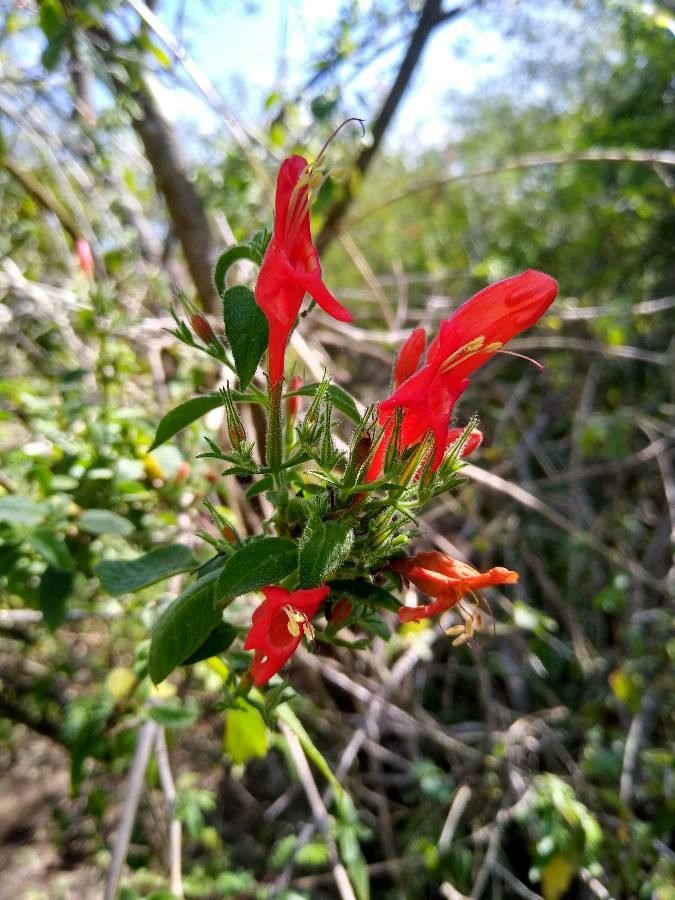
Taming the Wild Beauty: Propagating Ruellia asperula (A Beginner’s Guide)
The Ruellia asperula, also known as the Hairy Wild Petunia, is a captivating plant native to South America. While its vibrant purple blooms and intriguing foliage make it a stunning addition to any garden, many shy away from this beauty due to unfamiliarity with its propagation. Fear not! This guide will walk you through the surprisingly simple process of multiplying your Ruellia asperula and filling your space with its charm.
Two Roads to Ruellia Riches: Seed vs. Cuttings
The Ruellia asperula offers two primary methods of propagation:
1. Seeds: Embracing the Element of Surprise
- Pros: Seeds are relatively easy to acquire and offer the potential for a large number of new plants.
- Cons: Ruellia asperula seeds can be slow to germinate, and the resulting plants may not be true to the parent plant, offering delightful variations in flower color and foliage.
- How-To:
- Collect: Harvest ripe seed pods from a mature plant, identifiable by their brown, dry appearance.
- Dry & Store: Allow the pods to dry completely before carefully extracting the tiny, black seeds.
- Sow: Start seeds indoors 6-8 weeks before the last frost in well-draining seed starting mix. Maintain a temperature of around 70-75°F (21-24°C).
- Transplant: After the danger of frost has passed and the seedlings have developed a robust root system, transplant them outdoors to a sunny location with well-draining soil.
2. Cuttings: Cloning Your Favorite Features
- Pros: Cuttings offer a faster propagation method, and the resulting plants will be genetically identical to the parent plant, ensuring consistent beauty.
- Cons: Requires a healthy parent plant to source the cuttings.
- How-To:
- Take the Cutting: In spring or early summer, using clean, sharp shears, take a 4-6 inch cutting from a healthy stem tip, ensuring it includes at least one node (the point where leaves emerge).
- Prep the Cutting: Remove the leaves from the lower inch of the cutting to prevent rot.
- Rooting Hormone (Optional): While not mandatory, dipping the cut end in rooting hormone can encourage faster and more successful rooting.
- Plant: Insert the cutting into a well-draining potting mix, burying at least one node.
- Moisture is Key: Maintain a humid environment by covering the pot with a plastic bag or placing it in a propagator.
- New Beginnings: After 4-6 weeks, gently tug on the cutting. Resistance indicates successful rooting! Gradually acclimate the new plant to normal conditions before transplanting it to its final location.
Caring for Your Ruellia Progeny
Whether you’ve chosen the path of seeds or cuttings, young Ruellia asperula plants thrive in well-drained soil and plenty of sunlight. While they tolerate some shade, full sun encourages more prolific blooming. Water regularly, allowing the soil to dry slightly between waterings.
With a little patience and care, you’ll soon have a vibrant display of these captivating flowers, a testament to your successful propagation journey!