
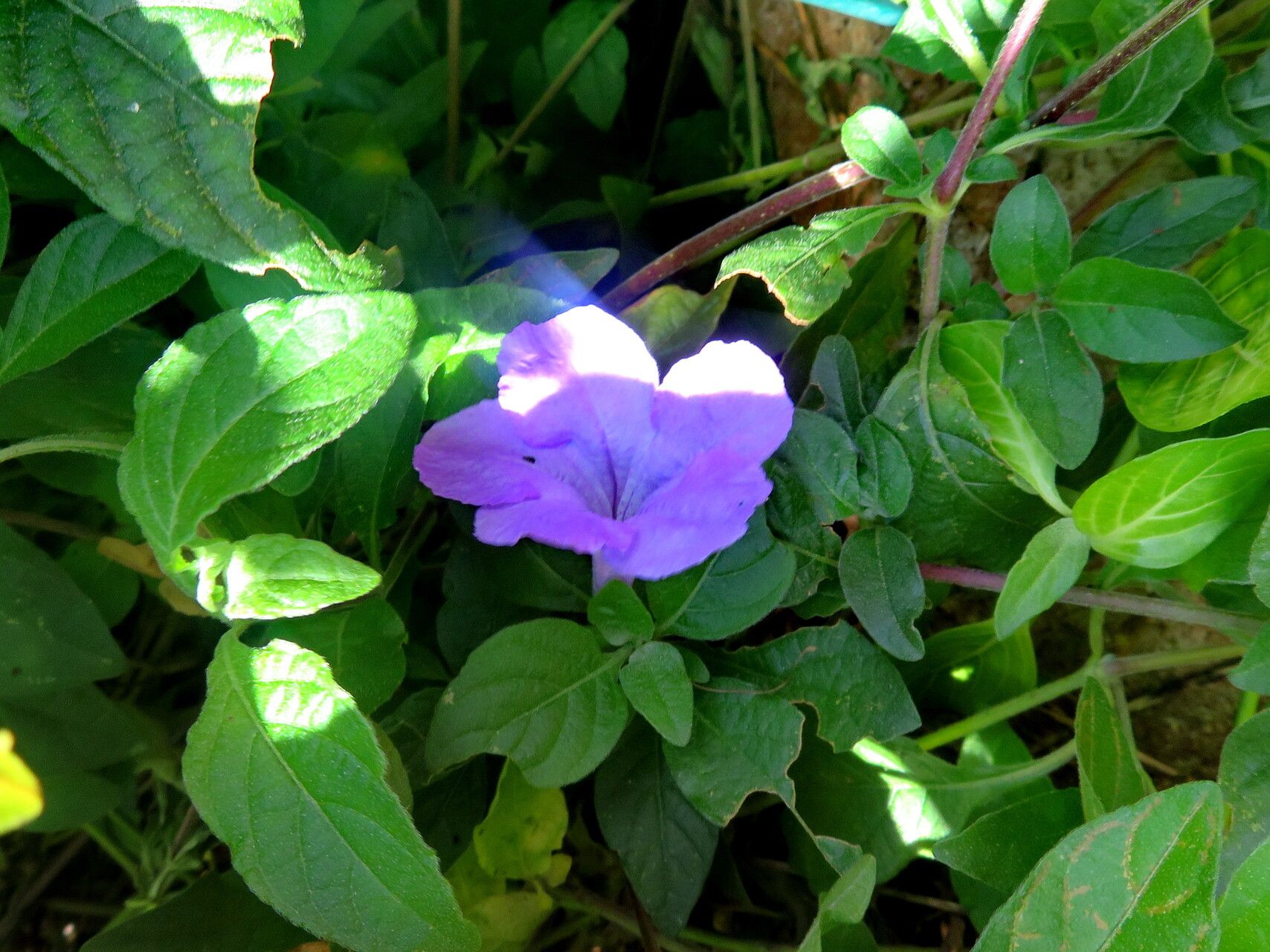
Propagating Ruellia bahiensis: A Gardener’s Guide to the Brazilian Petunia
Ruellia bahiensis, commonly known as the Brazilian petunia (though not a true petunia), is a captivating flowering plant prized for its vibrant purple-blue flowers and relatively low-maintenance nature. Its spreading habit and prolific blooming make it a popular choice for borders, ground cover, and even hanging baskets. However, propagating this attractive plant can present some unique challenges. This article explores various propagation methods, highlighting their feasibility and offering practical tips for success.
Seed Germination:
Currently, there are no known reliable methods for seed germination propagation of Ruellia bahiensis. While the plant does produce seeds, their germination rate is notoriously low, and success is rarely reported by home gardeners or professionals. Further research into specific germination requirements might be necessary to unlock this propagation method.
Cuttings:
Cuttings represent a far more reliable method for propagating Ruellia bahiensis.
Challenges: The primary challenge lies in achieving successful rooting. The cuttings are somewhat prone to rot if not handled carefully.
Practical Tips: Take semi-hardwood cuttings (about 4-6 inches long) in spring or summer. Remove lower leaves to prevent rotting and dip the cut end in rooting hormone powder. Plant cuttings in a well-draining, moist potting mix (a mix of perlite and peat moss works well). Maintain consistent humidity (using a propagator or plastic bag) and warmth (around 70-75°F). Rooting typically takes 4-6 weeks.
Rewards: This method offers a relatively quick and straightforward way to produce several plants from a single mother plant preserving its desirable traits.
Division:
Division is another effective propagation method, particularly for established plants.
Challenges: Overly aggressive division can damage the plant’s root system, hindering its recovery. Timing is crucial to minimize stress.
Practical Tips: Divide the plant in spring or early fall when the soil is moist but not waterlogged. Carefully lift the entire plant from the ground and gently separate it into sections, ensuring each division has sufficient roots and healthy foliage. Replant the divisions immediately, ensuring adequate spacing.
Rewards: Division is a simple and efficient way to increase the number of plants quickly without requiring specialized equipment or techniques. It allows for greater control over plant spacing and size.
Tissue Culture:
Tissue culture offers a potential method for large-scale propagation and disease-free plant production.
Challenges: This method demands specialized equipment, sterile conditions, and expertise in plant tissue culture techniques. It’s not a practical option for the home gardener.
Practical Tips: This method requires access to a tissue culture laboratory and specialized media, hormones, and techniques. Experts can initiate cultures from shoot tips or nodal segments.
Rewards: Tissue culture enables mass production of genetically identical plants, facilitating the rapid expansion of desirable cultivars and disease elimination.
Conclusion:
While seed germination proves unreliable for Ruellia bahiensis, cuttings and division offer viable and relatively straightforward methods for propagation, accessible to home gardeners. Tissue culture presents a more advanced option for large-scale cultivation. The challenges involved in propagation, especially rooting cuttings and preventing rot, underscore the added satisfaction experienced when successfully cultivating these beautiful plants. The rewards – vibrant blooms and the sense of accomplishment – make the effort more than worthwhile. Don’t be discouraged by initial setbacks; with patience and attention to detail, you can successfully propagate your Ruellia bahiensis and enjoy its remarkable beauty for years to come.