
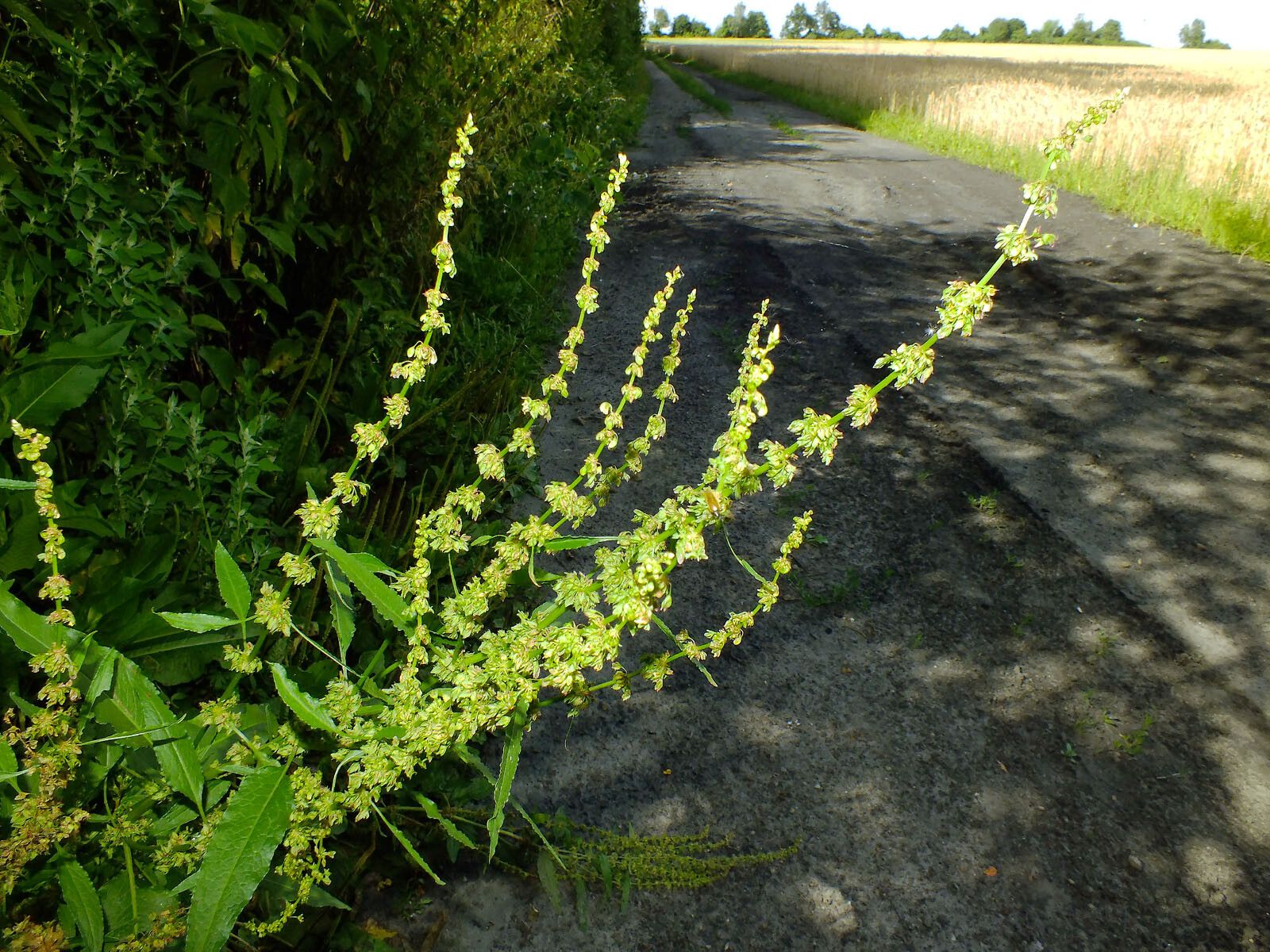
Unlocking the Secrets of Swamp Dock Propagation: A Guide for Gardeners
Swamp dock (Rumex palustris), also known as marsh dock or water dock, is a fascinating and versatile plant with stunning foliage and a rich history in herbal remedies. But beyond its aesthetic and medicinal appeal, it’s a plant that can be easily propagated, allowing you to share its beauty and benefits with others.
This comprehensive guide will take you through the intricacies of swamp dock propagation, empowering you to grow this unique plant in your own garden or share it with fellow plant enthusiasts.
The Art of Seed Propagation
Swamp dock readily reproduces from seed, a method best suited for those looking to establish a new colony of these hardy plants.
- Collecting Seeds: The key to successful seed propagation lies in selecting ripe seeds. These appear as tiny, brown, and three-sided structures nestled within the plant’s seed pods. Harvest the pods when they turn brown and start to dry, usually in late summer or early fall.
- Seed Storage: Once collected, thoroughly clean the seeds and store them in a dry, cool place. They can be stored for up to a year while maintaining their viability.
- Sowing Seeds: Sow the seeds directly in your garden bed in spring after the last frost. Ensure the soil is moist and well-drained. Sow seeds shallowly, burying them no more than an inch deep.
- Germination and Growth: Under optimal conditions, swamp dock seeds will germinate in 2-4 weeks. With consistent watering and optimal sunlight, the seedlings will quickly establish themselves and produce lush foliage.
Vegetative Propagation: Division and Cuttings
Beyond seed propagation, swamp dock can be propagated successfully through vegetative methods involving division and cuttings.
- Division: This method is best suited for established plants. Gently divide the plant’s root ball in spring or fall, ensuring each division contains healthy roots and foliage. Replant the divided sections in carefully prepared soil, keeping them well-hydrated.
- Cuttings: Take softwood cuttings from new growth in spring or summer. Choose stems that are about 4-6 inches long and have at least three to four leaves. Remove the lower leaves and dip the cut end in rooting hormone. Plant the cuttings in moist rooting medium and cover the container with a plastic dome to maintain humidity. Root development usually takes 4-6 weeks.
Choosing the Right Propagation Method
The choice of propagation method depends largely on your individual needs and preferences. Seed propagation is ideal for creating larger colonies and diversifying your plant collection. In contrast, division offers a quicker and more straightforward way to establish new plants while minimizing the impact on established ones. Cuttings are best suited for those interested in replicating specific traits of a particular plant.
Tips for Successful Propagation
- Ensure Proper Soil Conditions: Swamp dock thrives in moist, well-drained soil with a slightly acidic pH.
- Provide Adequate Sunlight: This plant needs at least 4 hours of direct sunlight daily.
- Maintain Consistent Moisture: Keep the soil consistently moist, especially during the seedling stage and the first few weeks after planting.
- Fertilize Regularly: A balanced fertilizer applied every few weeks will promote healthy growth and development.
- Watch for Pests and Diseases: Monitor your plants for any signs of pests or diseases and address them promptly.
Beyond the Propagation:
Propagating Rumex palustris is not just about creating new plants; it’s about preserving a unique plant with a rich history and a multitude of uses. Its leaves are traditionally used to create flavorful greens, while its roots have medicinal properties.
This guide has equipped you with the knowledge to successfully propagate swamp dock, allowing you to enjoy its beauty and benefits in your own garden. By following these steps, you can unlock the secrets of this unique plant and share its magic with others.