
Taming the Rambler: Propagating Rumex sagittatus for a Touch of Wild Beauty
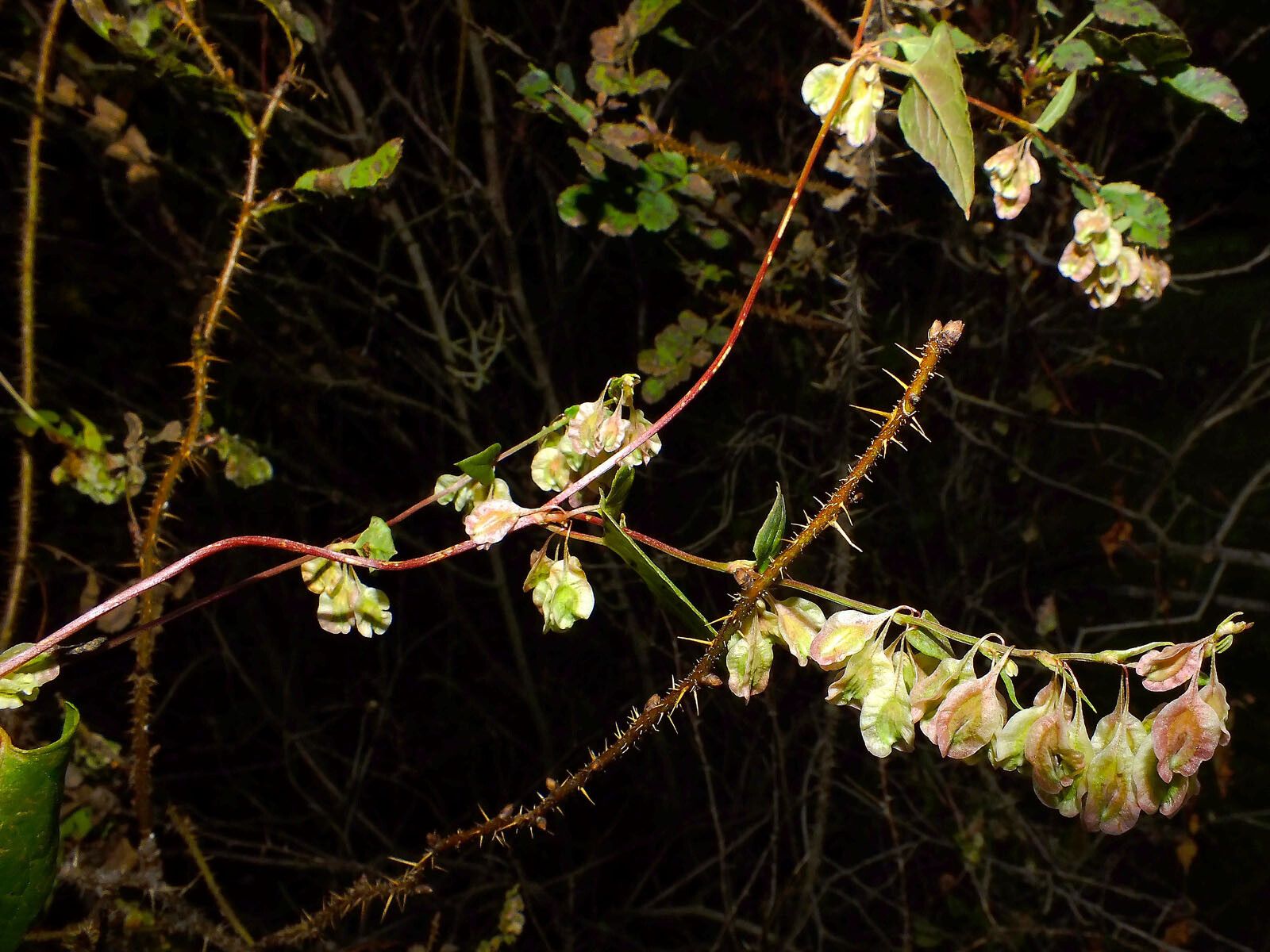
Rumex sagittatus, better known as the Rambling Dock or Turkey Rhubarb, is a fascinating plant with a touch of wild charm. Its heart-shaped leaves and tall, airy seed heads bring a unique texture and architectural element to gardens, naturalized landscapes, and even floral arrangements. This vigorous grower, however, often needs a bit of taming. Thankfully, propagating Rumex sagittatus is relatively straightforward, allowing you to control its spread and share its beauty with ease.
Two Roads to Ramble: Seed vs. Division
When it comes to propagating Rumex sagittatus, you have two main options: seeds and division. Both methods offer their own set of advantages, making the choice largely dependent on your resources and desired timeline:
1. Sowing the Seeds of Success:
Propagating Rumex sagittatus from seed offers a rewarding journey from tiny speck to flourishing plant. Here’s how:
- Collection: As the plant matures, it produces copious amounts of seeds in airy plumes. Collect these seeds once they turn brown and dry, typically in late summer or early fall.
- Sowing: You can sow the seeds directly outdoors in fall, allowing for natural stratification over winter. Alternately, start them indoors in late winter or early spring. Use a well-draining seed starting mix and lightly press the seeds into the surface, keeping them moist but not soggy.
- Germination: Be patient, as Rumex sagittatus seeds can take anywhere from 2 to 8 weeks to germinate. Provide warmth (around 70°F) and consistent moisture for optimal results.
- Transplanting: Once the seedlings have developed a few true leaves, harden them off gradually before transplanting outdoors after the last frost.
2. Divide and Conquer: The Power of Division:
For a quicker and more predictable method, division is your go-to solution. Here’s a step-by-step guide:
- Timing is Key: Divide established plants in early spring, just as new growth emerges, or in fall after the plant has finished blooming.
- Unearth the Treasure: Carefully dig around the plant, ensuring you capture a good portion of the root system.
- Divide and Conquer: Using a sharp, clean knife or garden spade, section the rootball into smaller clumps, ensuring each division has a healthy set of roots and shoots.
- Replant and Thrive: Replant the divisions at the same depth they were growing previously, water well, and watch them flourish!
A Few Pointers for Propagation Prowess:
- Well-Drained Soil is Key: Rumex sagittatus thrives in well-drained soil, tolerating a variety of conditions. Avoid heavy clay soils that retain excess moisture.
- Sun or Shade, It’s Adaptable: While it prefers full sun to partial shade, Rumex sagittatus can tolerate shadier spots, especially in warmer climates.
- Mindful Management: Keep in mind that Rumex sagittatus can self-seed prolifically. Deadhead spent flower stalks to prevent unwanted spread.
By embracing these simple propagation techniques, you can confidently cultivate this unique plant, adding a touch of wild beauty and architectural interest to your garden tapestry.