
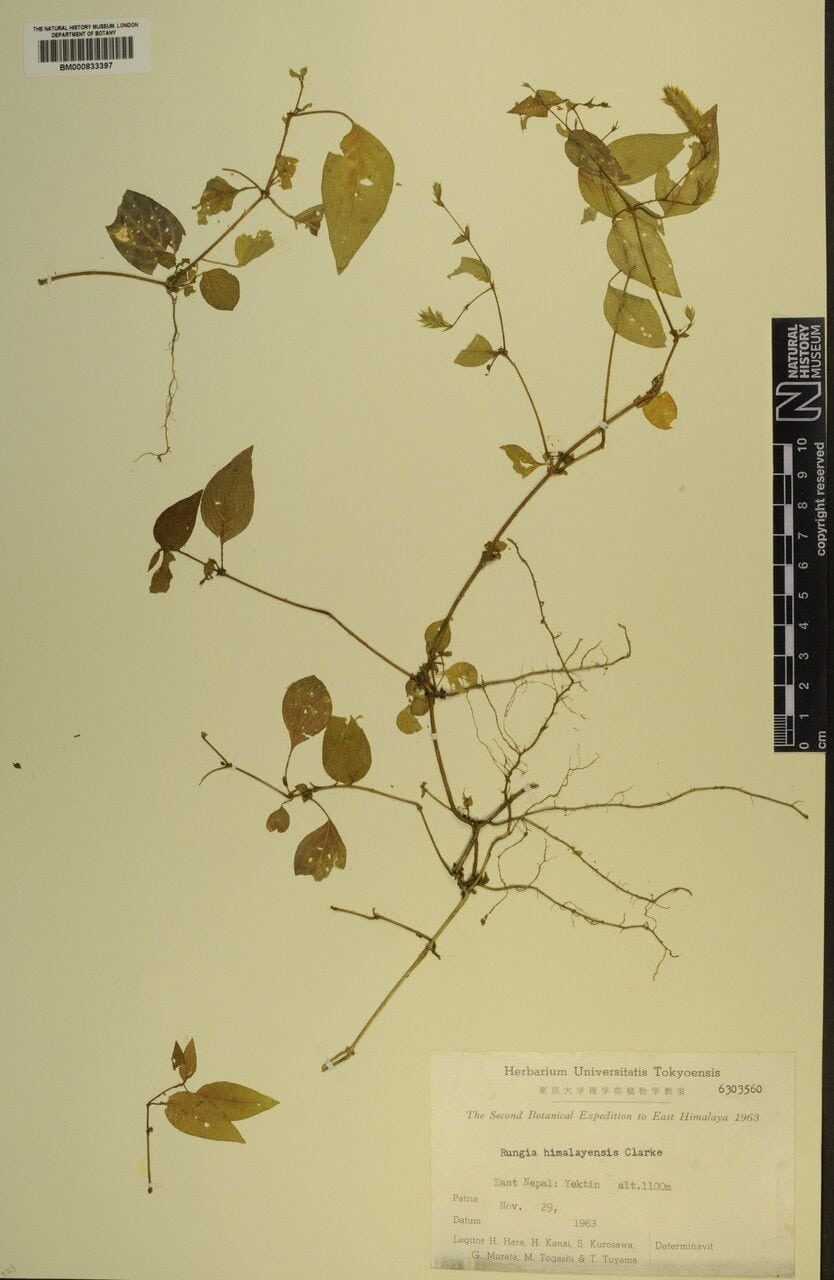
Himalayan Rungia: Multiply Your Mountain Mint with These Simple Propagation Techniques
Himalayan Rungia, also known as "Minty Leaf" or by its scientific name Rungia himalayensis, is a delightful and versatile herb gaining popularity for its culinary and ornamental value. This perennial plant, native to the Himalayas, boasts beautiful blue flowers and leaves that release a pleasant minty aroma when touched. But the best part? Propagating Himalayan Rungia is surprisingly easy, allowing you to multiply your minty bounty without breaking the bank!
Unlocking the Secrets: Propagation Methods for Himalayan Rungia
Whether you’re a seasoned gardener or a green thumb newbie, propagating Himalayan Rungia is achievable and rewarding. Here are the two most effective methods:
1. Cuttings: The Path to Clones
- Timing is Key: Spring and early summer, when the plant is actively growing, offer the ideal timeframe for taking cuttings.
- Select and Snip: Choose healthy, non-flowering stems around 3-4 inches long. Make a clean cut just below a leaf node (the point where leaves emerge) using sharp, sterilized scissors or a knife.
- Prepare for Rooting: Remove the lower leaves from the cutting, leaving a couple of pairs at the top.
- Hormone Boost (Optional): Dipping the cut end in rooting hormone powder can speed up the process.
- Planting Medium: Plant the cuttings in a well-draining potting mix or a mixture of perlite and peat moss.
- Moisture and Patience: Keep the medium consistently moist but not waterlogged. Cover the pot with a plastic bag to create a humid environment. In a few weeks, roots should develop, and new growth will emerge, signaling successful propagation.
2. Division: Sharing is Caring (for Plants)
- When to Divide: Divide established Himalayan Rungia plants in early spring or fall.
- Digging Up: Carefully dig around the plant, ensuring you don’t damage the roots.
- Gently Separate: Loosen the soil around the roots and gently separate the plant into sections, ensuring each section has a good amount of roots and shoots.
- Repotting: Plant each division in a separate pot or directly into your garden with well-amended soil, spacing them about 12 inches apart.
- Water and Care: Water the divisions well and provide partial shade until they are established.
Tips for Success:
- Bright, Indirect Light: Himalayan Rungia thrives in bright, indirect light.
- Well-Draining Soil: Choose a well-draining potting mix or amend garden soil with perlite or sand to prevent root rot.
- Consistent Moisture: Keep the soil consistently moist but avoid overwatering, which can lead to root problems.
- Pinching for Bushiness: Regularly pinch back the growing tips to encourage a bushier habit and more foliage production.
Reap the Rewards:
Successfully propagating Himalayan Rungia allows you to expand your herb garden, share this delightful plant with friends and family, and enjoy its unique flavor and aroma for years to come. So, grab your gardening gloves, try these simple techniques, and watch your Himalayan Rungia thrive!