
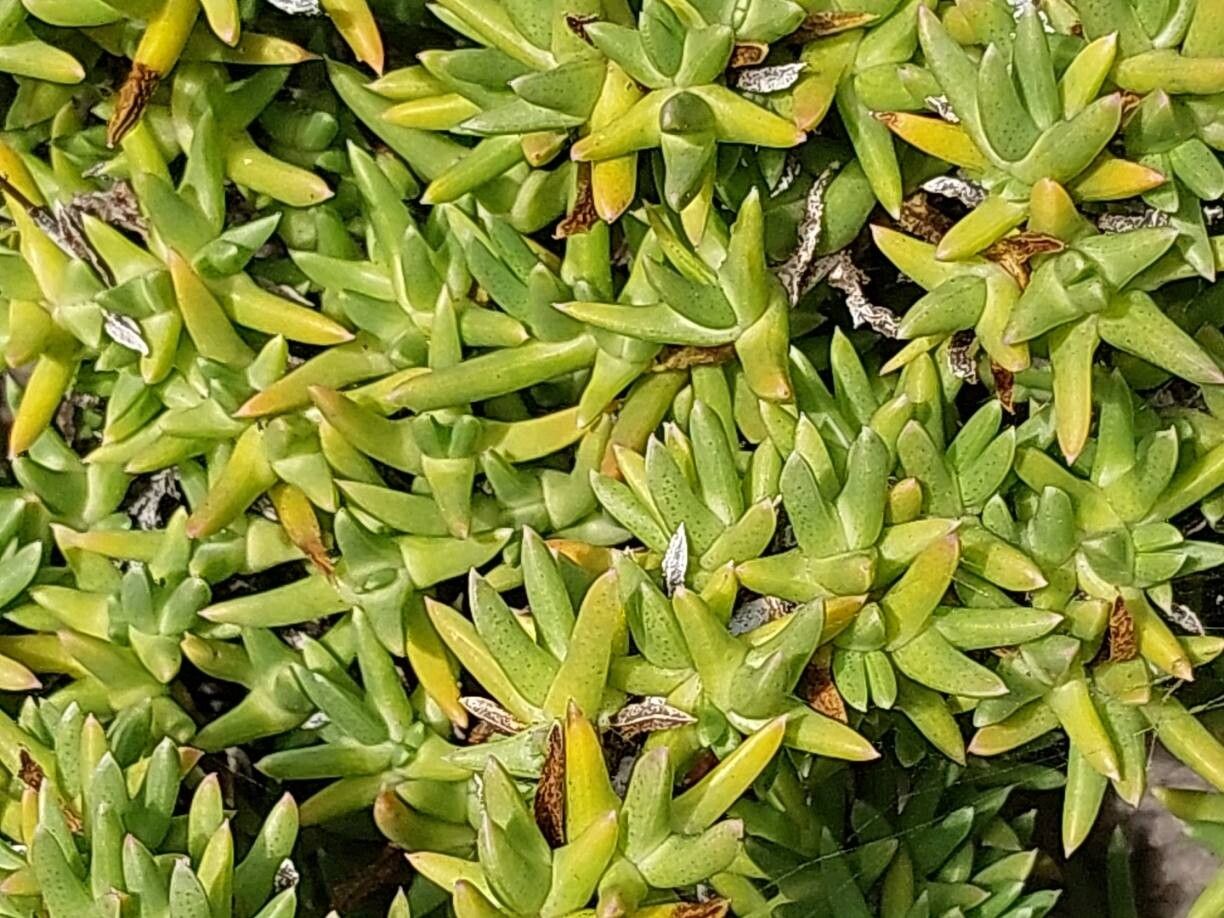
Propagating Ruschia pulvinaris: A Guide to Cultivating the Cushion-bush
Introduction:
Ruschia pulvinaris, commonly known as the cushion-bush, is a captivating succulent prized for its dense, mounding habit and vibrant, often pink or purple, flowers. Its low-growing nature makes it ideal for rock gardens, containers, or as groundcover. Its ease of care in suitable climates contributes to its popularity amongst succulent enthusiasts. However, propagation can present some unique challenges, making successful cultivation all the more rewarding. This article explores various propagation methods for Ruschia pulvinaris.
Seed Germination:
Currently, there are no known reliable methods for seed germination propagation of Ruschia pulvinaris. While seeds may be produced, their germination rate is notoriously low, and successful seedling establishment is rarely achieved under amateur conditions. Further research into specific germination requirements is needed.
Cuttings:
Challenges: Cuttings are the most reliable method for propagating Ruschia pulvinaris. However, even with cuttings, success hinges on careful technique. Overwatering is a significant risk, leading to rot before rooting occurs.
Practical Tips: Take stem cuttings of approximately 5-10cm in length in spring or early summer. Allow the cut ends to callus over for several days before planting. Use a well-draining succulent potting mix. Plant the cuttings shallowly, ensuring only the base is in contact with the soil. Water sparingly, only when the soil is completely dry. High humidity and moderate temperatures are beneficial. Root development can take several weeks.
Rewards: Cuttings offer a relatively straightforward method to replicate existing plants, preserving desirable traits. It’s a faster method than division and more accessible than tissue culture for home growers.
Division:
Challenges: Division works best when the mother plant is mature and sufficiently large. Care must be taken to avoid damaging the fragile roots during the process. Improper division can lead to plant stress and reduced success.
Practical Tips: Gently remove the plant from its pot and carefully separate the offsets or divisions with a clean, sharp knife or trowel. Ensure each division has sufficient roots and stems. Plant the divisions in well-draining soil, spacing them appropriately. Water sparingly after planting.
Rewards: Division allows for rapid increase in the number of plants and can be a satisfying way of propagating larger, well-established specimens.
Tissue Culture:
Challenges: Requires specialized equipment and aseptic techniques, making it impractical for most home gardeners. Establishing optimal culture conditions for Ruschia pulvinaris would require significant research and experimentation.
Practical Tips: Tissue culture propagation requires sterile laboratory conditions, nutrient media, and expertise in plant tissue culture techniques. This is typically beyond the scope of home growers.
Rewards: Tissue culture offers the potential for large-scale propagation and the elimination of diseases. It also allows for genetic preservation and the production of disease-free plants. However, this method is not feasible for casual propagation.
Conclusion:
Propagating Ruschia pulvinaris presents challenges across all methods. While seed propagation is currently unreliable, cuttings offer the most practical and successful method for home gardeners. Division can also be effective for mature plants. Tissue culture remains a complex and specialized technique unsuitable for most enthusiasts. The satisfaction derived from successfully propagating this beautiful succulent, despite the hurdles, is immense. Patience, attention to detail, and a light touch with watering are key to triumphing in the cultivation of this captivating cushion-bush. Don’t be discouraged by setbacks – persevere, and the reward of cultivating your own thriving Ruschia pulvinaris will be richly earned.