
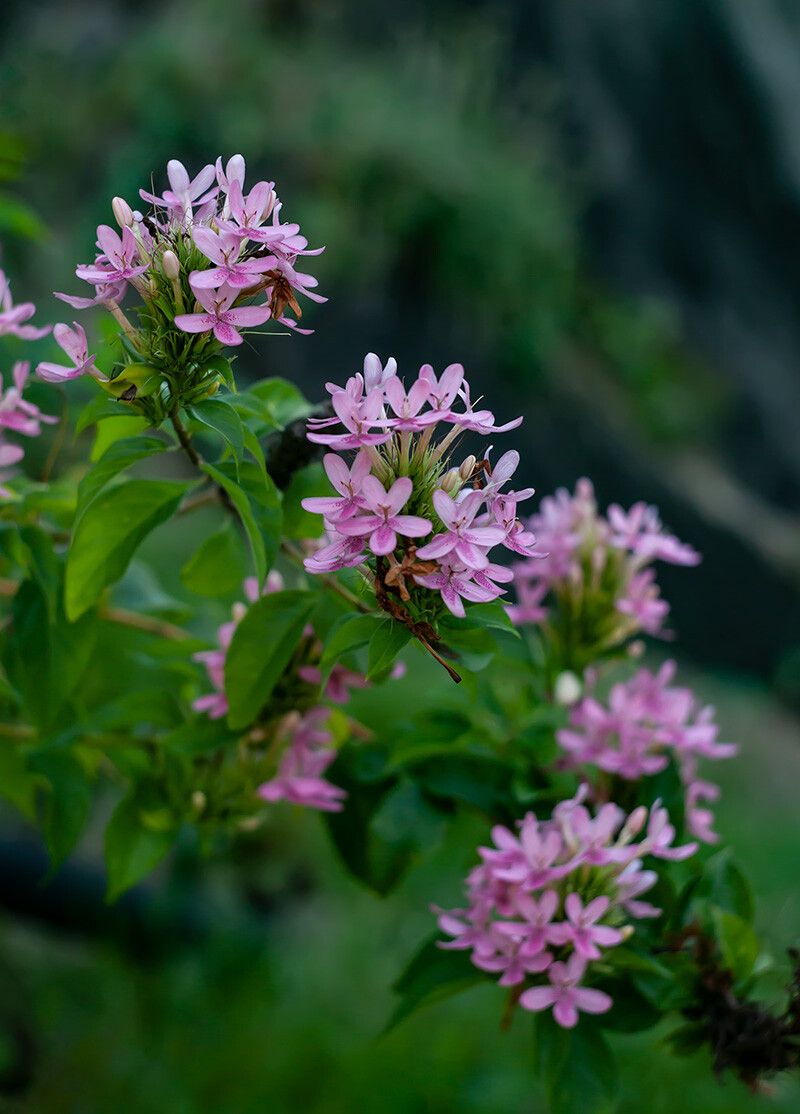
Unlocking the Secrets of Firecracker Plant Propagation: A Guide to Multiplying Your Ruspolia Hypocrateriformis
The Ruspolia hypocrateriformis, more commonly known as the Firecracker plant or Coral fountain, is a showstopper in any garden. Its fiery orange, tubular flowers cascading downwards resemble a fountain of flames, attracting hummingbirds and butterflies alike. But did you know that multiplying this beauty isn’t as daunting as it seems? With the right knowledge and a little patience, you can easily propagate your own Firecracker plant and spread its fiery charm.
Propagation Methods: Seeds vs. Cuttings
The Firecracker plant offers two main pathways for propagation: seeds and cuttings.
1. Seed Propagation:
- The Pros: This method is perfect if you’re starting from scratch and want to grow a large number of plants. Seeds are readily available online and in some garden centers.
- The Cons: Germination can be slow and unpredictable. Additionally, plants grown from seeds might show slight variations in flower color compared to the parent plant.
- The How-To:
- Sow the seeds in a well-draining seed starting mix, barely covering them with soil.
- Keep the soil consistently moist and place the tray in a warm, bright location, out of direct sunlight.
- Be patient! Germination can take anywhere from a few weeks to a couple of months.
- Once seedlings develop a few sets of true leaves, they can be carefully transplanted into individual pots.
2. Propagation from Cuttings:
- The Pros: This method is generally faster than seeds and guarantees a plant genetically identical to the parent, ensuring the same stunning blooms.
- The Cons: Requires a healthy parent plant from which to take cuttings.
- The How-To:
- In spring or early summer, select healthy, non-flowering stems from your Firecracker plant.
- Using a sharp, clean knife or pruning shears, cut a 4-6 inch section from the tip of the stem, making the cut just below a leaf node.
- Remove the lower leaves from the cutting, leaving only 2-3 pairs of leaves at the top.
- Dip the cut end in rooting hormone (optional, but recommended for faster rooting).
- Plant the cutting in a pot filled with a well-draining potting mix, burying at least two leaf nodes.
- Water thoroughly and place the pot in a bright location, but out of direct sunlight.
- Maintain soil moisture. New growth will indicate that your cutting has successfully rooted, usually within a few weeks.
Post-Propagation Care: Nurturing Your Firecrackers
Whether you choose seeds or cuttings, the care for your newly propagated Firecracker plants remains the same:
- Sun & Soil: These sun-loving plants thrive in full sun to partial shade and prefer well-draining soil.
- Watering: Water regularly, especially during dry spells, but avoid overwatering, which can lead to root rot.
- Fertilizer: Feed your Firecracker plants with a balanced fertilizer every 4-6 weeks during the growing season (spring and summer) to encourage healthy growth and blooms.
- Pruning: Deadhead spent flowers to encourage continuous blooming and maintain a tidy appearance.
With a little effort, you can successfully propagate your own Firecracker plants and enjoy their dazzling display year after year. Whether you choose to start from seed or cuttings, the reward of witnessing these vibrant blooms is well worth the effort. So get ready to ignite your garden with the fiery beauty of the Ruspolia hypocrateriformis!