
Unlocking the Secrets of Sabicea xanthotricha: Propagation Tips for the Adventurous Gardener
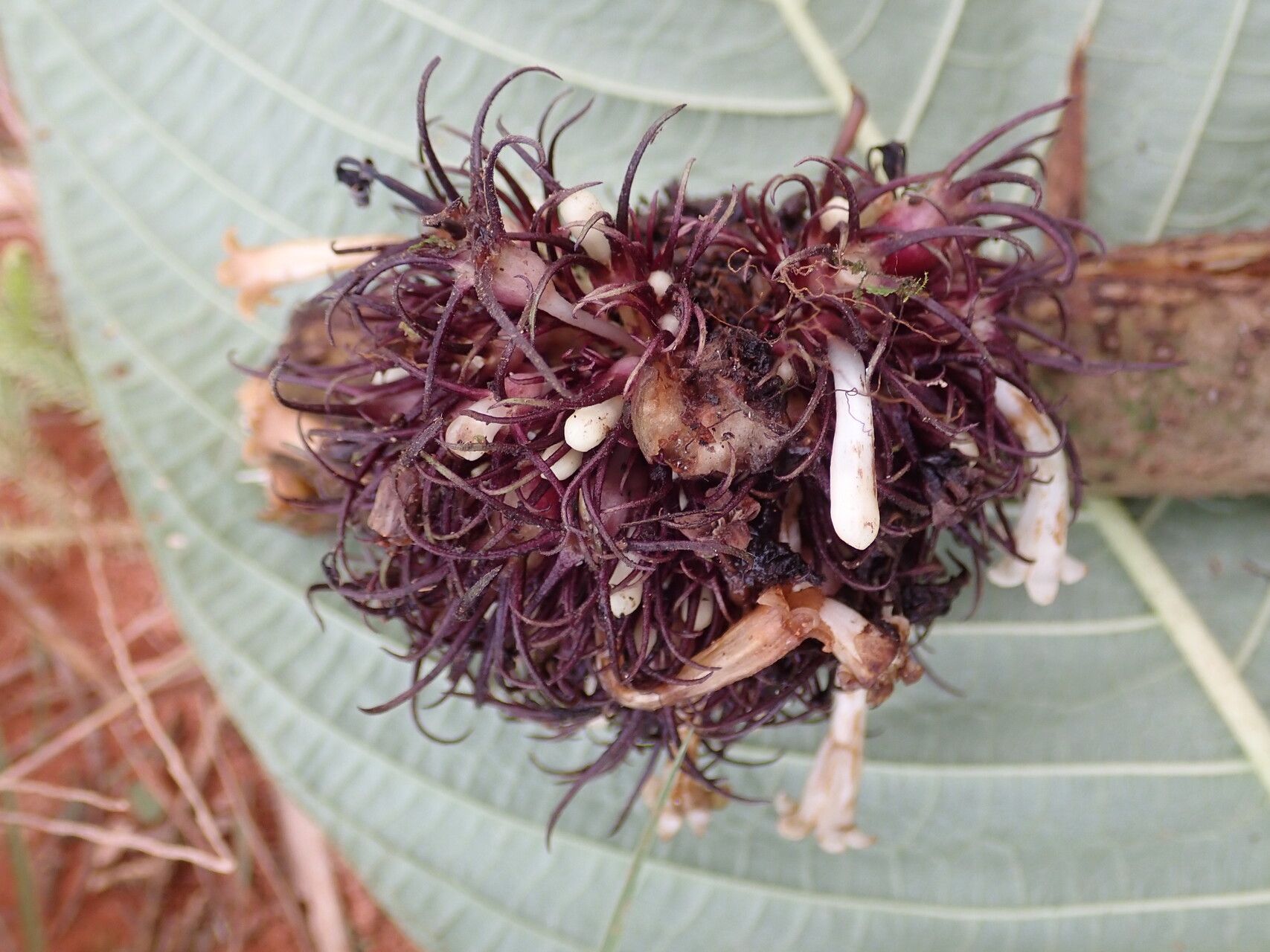
Sabicea xanthotricha, while a bit of a mouthful to pronounce, is a plant that captivates with its delicate beauty. This tropical climber, sporting velvety leaves with striking silver veins and clusters of fragrant white flowers, is a true gem for the adventurous gardener. While not commonly found in garden centers, those lucky enough to encounter this beauty might be inspired to propagate and share its splendor. However, Sabicea xanthotricha can be a bit particular about its propagation needs. Fear not, plant enthusiasts! This guide will unlock the secrets to successfully propagating this unique climber and multiplying your tropical treasures.
Understanding the Plant:
Before we dive into the how-to, it’s important to understand what makes Sabicea xanthotricha tick. This tropical climber thrives in warm, humid environments, and prefers bright, indirect light. It’s crucial to mimic these conditions as closely as possible during propagation.
Methods for Success:
- Stem Cuttings: The Tried and True
Stem cuttings offer the most reliable way to propagate Sabicea xanthotricha. Here’s how:
- Timing is Key: Take cuttings during the plant’s active growing season, ideally in spring or early summer.
- Choose Wisely: Select healthy, non-flowering stems that are around 4-6 inches long. Look for nodes, those little bumps on the stem where leaves emerge.
- Make the Cut: Using a sharp, sterilized knife or pruning shears, make a clean cut just below a node. Remove leaves from the lower half of the cutting.
- Hormone Boost (Optional): While not strictly necessary, dipping the cut end in rooting hormone can speed up the process.
- Planting Medium: A well-draining mixture is crucial. A combination of peat moss and perlite works well.
- Creating Humidity: Cover the pot with a clear plastic bag or use a propagation dome to maintain high humidity. Place in a warm, bright location, out of direct sunlight.
- Patience is a Virtue: Roots usually develop within 4-6 weeks. Once you see new growth, you can gradually acclimate the cutting to normal humidity levels.
- Layering: A Natural Approach
Layering is a less common but effective method for propagating Sabicea xanthotricha. Here’s the process:
- Select a Stem: Choose a healthy, flexible stem located close to the soil.
- Wound the Stem: Gently wound the underside of the stem by making a small, upward-facing cut.
- Bury and Secure: Bend the wounded portion of the stem down and bury it a couple of inches deep in a pot filled with moist potting mix. Use a small rock or a landscape staple to keep it secure.
- Keep it Moist: Ensure the soil surrounding the buried stem remains consistently moist.
- Separation Anxiety: After a few weeks, check for root development. Once roots have formed, you can sever the layered stem from the mother plant.
Troubleshooting Tips:
- Yellowing Leaves: Could indicate overwatering or poor drainage. Adjust watering and ensure the potting mix is well-draining.
- Stem Rot: A sign of overwatering or poor air circulation. Allow the soil to dry slightly between waterings and provide good ventilation.
- Slow or No Growth: Make sure the cutting or layer is receiving bright, indirect light and maintain consistently warm temperatures.
Propagating Sabicea xanthotricha might require a bit of patience and attention to detail, but the rewards are well worth the effort. With a little practice and the right techniques, you can successfully multiply this captivating climber and share its unique beauty with fellow plant enthusiasts!