
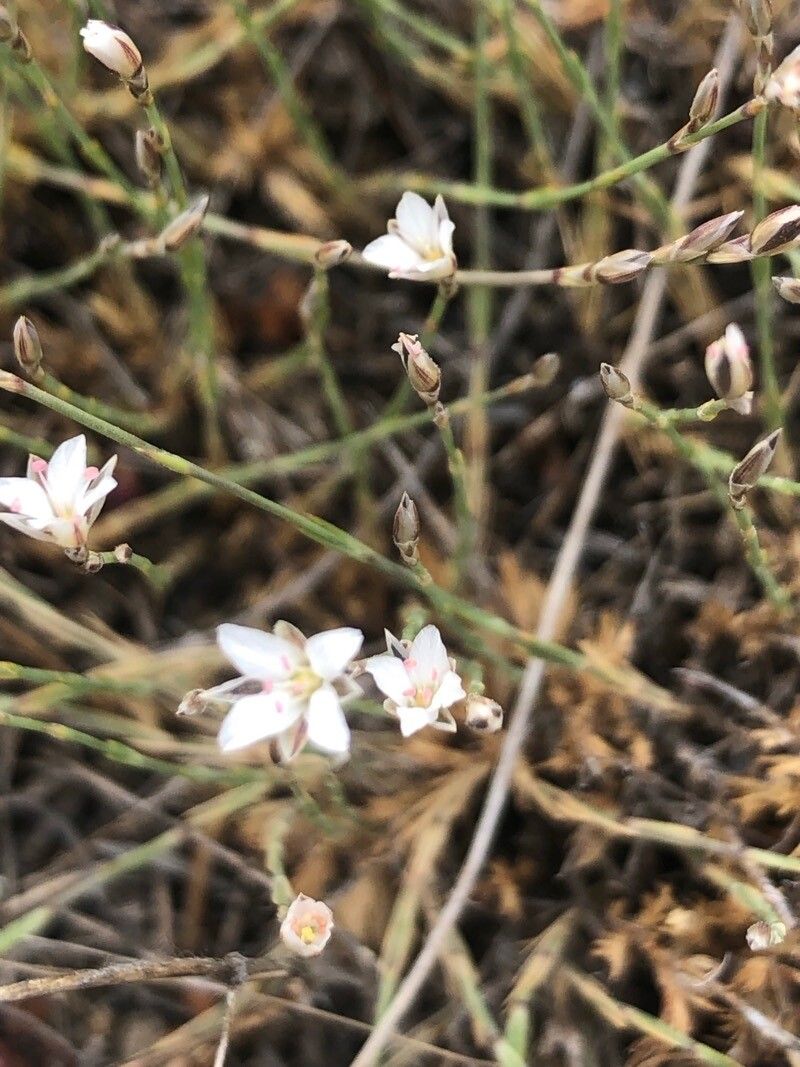
Tiny Treasures, Easily Multiplied: Propagating the Delicate Charm of Sabulina tenuifolia
The Sabulina tenuifolia, commonly known as the Small sandwort, might not possess the showy exuberance of some garden stars, but its delicate charm and tenacious spirit win over many plant enthusiasts. This low-growing, mat-forming plant with slender leaves and dainty white flowers adds a touch of understated elegance to rockeries, troughs, or even the edges of pathways. Fortunately for gardeners, propagating Sabulina tenuifolia is a relatively simple endeavor, ensuring that this charming little plant can grace more areas of your garden. Let’s explore the two most effective methods:
Method 1: Seed Propagation
Seed Collection and Storage: Sabulina tenuifolia readily self-seeds, so keep an eye out for the tiny capsules that form after flowering. Collect these capsules and allow them to dry thoroughly in a cool, dry place. Once dry, break them open to collect the small seeds within. Store the seeds in a clearly labeled envelope in a cool, dark place until you’re ready to sow.
Sowing: The ideal time to sow Sabulina tenuifolia seeds is during spring or early fall. These periods offer the optimal balance of warmth and moisture for successful germination. You can choose to sow directly into your garden or start them indoors for later transplanting. Prepare a seed tray or a well-drained patch of soil in your garden, ensuring it’s weed-free. Scatter the seeds sparingly on the surface and lightly press them down. No need to bury them deeply; light is beneficial for germination.
Germination Care: Keep the soil consistently moist but not waterlogged. A light misting with a spray bottle works well. Within a couple of weeks, you should start to see tiny seedlings emerge. If starting indoors, ensure they receive bright, indirect light.
- Transplanting: Once the seedlings develop a couple of sets of true leaves, they are robust enough to be transplanted to their final location, spacing them about 6-8 inches apart to allow for spreading.
Method 2: Division
For those who prefer a more immediate approach, dividing established plants is an excellent method for propagating Sabulina tenuifolia:
Timing is Key: Spring or early fall, once again, presents the ideal timeframe for dividing your Sabulina tenuifolia.
Division Process: Gently lift a mature clump of Sabulina tenuifolia from the ground using a garden fork. Loosen the soil around the roots, and carefully pull apart the plant into smaller sections. Ensure each section has a good amount of roots attached.
- Replanting: Prepare the new planting holes, ensuring good drainage. Replant the divided sections at the same depth they were growing previously. Water thoroughly after planting.
Essential Care Tips for Successful Propagation:
- Well-Drained Soil: Sabulina tenuifolia thrives in well-drained soil and is particularly fond of sandy or gravelly mediums.
- Sunlight Requirements: While it appreciates a sunny location, this resilient plant can tolerate some light shade, making it quite versatile in the garden setting.
- Watering: Maintain consistent moisture levels, especially during the germination and establishment phases. However, be wary of overwatering, as Sabulina tenuifolia prefers drier conditions once established.
Propagating Sabulina tenuifolia is truly a rewarding endeavor for gardeners of all levels, allowing you to multiply this charming and resilient plant and expand its presence in your garden. Whether you choose to sow its tiny seeds or divide established clumps, success is well within reach with a little care and attention. Soon, you’ll have a tapestry of delicate foliage and charming white blossoms, adding a touch of understated beauty to your outdoor space.