
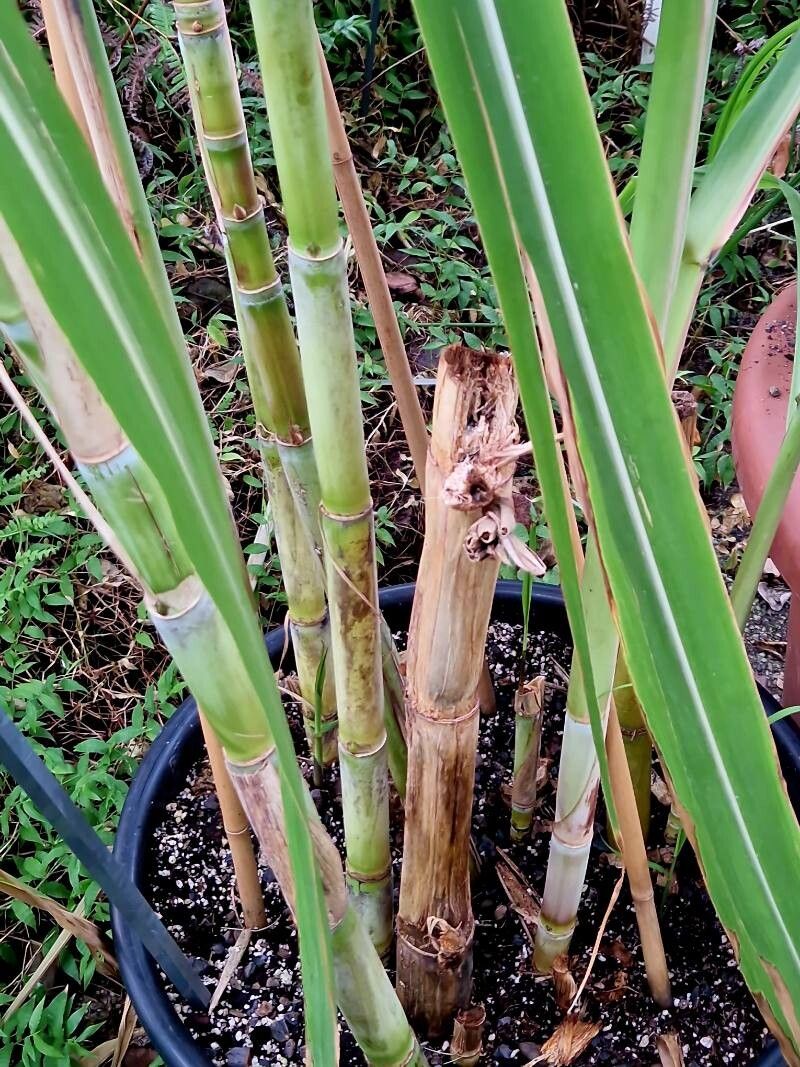
Sweet Success: Unlocking the Secrets to Propagating Sugarcane (Saccharum officinarum)
Sugarcane, scientifically known as Saccharum officinarum, is the backbone of our global sugar supply. But did you know this grassy giant isn’t grown from seeds like your typical garden variety plant? Unveiling the secrets of sugarcane propagation is key to understanding how this crucial crop thrives.
Forget tiny seeds – sugarcane propagation relies on a method called vegetative propagation. This essentially means growing new plants from pieces of existing ones. While it might sound a bit like botanical magic, the process is surprisingly straightforward and offers a host of advantages:
The Power of Vegetative Propagation:
- Clonal Consistency: Sugarcane doesn’t breed true to seed, meaning seeds won’t necessarily produce plants identical to the parent. Vegetative propagation ensures each new plant is a genetic replica, maintaining desirable traits like high sugar content and disease resistance.
- Rapid Growth: Skip the seedling stage! Sugarcane cuttings, known as setts, develop roots and shoots much faster than seeds, leading to quicker establishment and harvest.
- Flexibility and Efficiency: Propagation can occur throughout much of the year in suitable climates, providing flexibility for farmers. This method also uses less planting material compared to seeds, making it incredibly efficient.
Now, let’s demystify the process of propagating sugarcane from setts:
- Selecting Healthy Setts: The key to success lies in using healthy, disease-free setts. These are typically sections of sugarcane stalk, each containing several nodes or “buds” from which new growth will emerge.
- Preparing the Setts: Cut the stalks into smaller setts, ensuring each has at least 2-3 healthy nodes. Treating the cut ends with a fungicide can prevent potential diseases.
- Planting for Success: Sugarcane thrives in warm climates with plenty of sunshine and well-drained soil. Setts are typically planted horizontally or at a slight angle in shallow furrows, ensuring the buds are facing upwards.
- Nurturing New Growth: Consistent moisture is crucial during the initial growth stage. Once established, sugarcane is relatively drought-tolerant but benefits from regular fertilization to support its vigorous growth.
Beyond the Basics:
While propagating sugarcane from setts is the most common method, there are other techniques, including:
- Tissue Culture: This laboratory-based technique uses small plant tissues to grow large numbers of identical sugarcane plants. It’s particularly valuable for developing disease-free planting material and conserving rare varieties.
The Sweet Rewards:
Mastering the art of sugarcane propagation offers a rewarding experience, whether you are a farmer cultivating acres of this vital crop or a backyard gardener curious to grow your own sweet stalks. By understanding the unique characteristics of Saccharum officinarum and employing the right techniques, you can unlock the sweet success of growing sugarcane!