
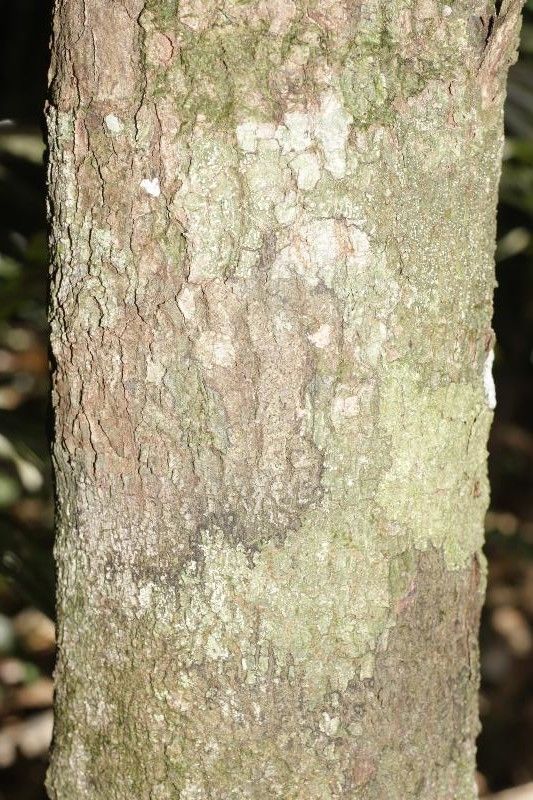
Unlocking the Secrets of the Black Pear Tree: A Guide to Propagating Sacoglottis guianensis
The Black Pear Tree, or Sacoglottis guianensis, is a fascinating and attractive tropical species. Native to South America and the Caribbean, this evergreen tree boasts shiny, dark green leaves and produces small, inconspicuous flowers that mature into striking, pear-shaped fruits. While not a true pear, these fruits are an important food source for wildlife and hold traditional medicinal value in some cultures.
If you’re interested in cultivating this unique tree, understanding its propagation methods is crucial. While a bit more challenging than some common garden varieties, successfully propagating Sacoglottis guianensis is a rewarding experience. Let’s explore two primary methods:
1. Seed Propagation: A Test of Patience
Propagating Black Pear Trees from seed is the most common method, but be prepared for a waiting game. Here’s a step-by-step guide:
- Seed Collection and Preparation: Harvest ripe fruits directly from the tree or collect them from the ground. Remove the fleshy outer layer and clean the seeds thoroughly. Fresh seeds offer the highest germination rate.
- Pre-treatment: To improve germination, scarify the seeds. This involves gently nicking or sanding the hard seed coat to allow moisture penetration.
- Sowing: Plant the seeds in a well-draining seed-starting mix, burying them about an inch deep. Water consistently, keeping the soil moist but not waterlogged.
- Patience is Key: Germination can take anywhere from a few weeks to several months. Be patient and continue to provide optimal conditions, including warm temperatures and indirect sunlight.
2. Cutting Propagation: A Faster, But Less Reliable Approach
While less common and slightly trickier, propagating Sacoglottis guianensis from cuttings offers a potentially faster route:
- Timing is Everything: Take cuttings during the active growing season, ideally in late spring or early summer.
- Select Healthy Cuttings: Choose semi-hardwood cuttings from healthy branches that are about 4-6 inches long.
- Prepare the Cutting: Remove the leaves from the lower half of the cutting. Use a sharp, sterilized knife or pruning shears for a clean cut.
- Hormone Treatment: Dip the cut end of the cutting in rooting hormone powder to encourage root development.
- Planting: Plant the cutting in a well-draining potting mix. Keep the soil consistently moist and provide ample humidity by covering the pot with a clear plastic bag or using a humidity dome.
Tips for Success:
- Optimal Growing Conditions: Black Pear Trees thrive in warm, humid environments. Ensure they receive ample sunlight and well-drained soil.
- Pest and Disease Control: Monitor your young trees for signs of pests or diseases. Early detection and treatment are vital.
- Fertilization: Feed your trees regularly during the growing season with a balanced fertilizer to encourage healthy growth.
Propagating Sacoglottis guianensis requires patience and care, but the rewards of cultivating this unique and beautiful tree are well worth the effort. Whether you choose seed or cutting propagation, following these guidelines will put you on the path to success. Remember, every step brings you closer to enjoying the beauty of the Black Pear Tree in your own backyard!