
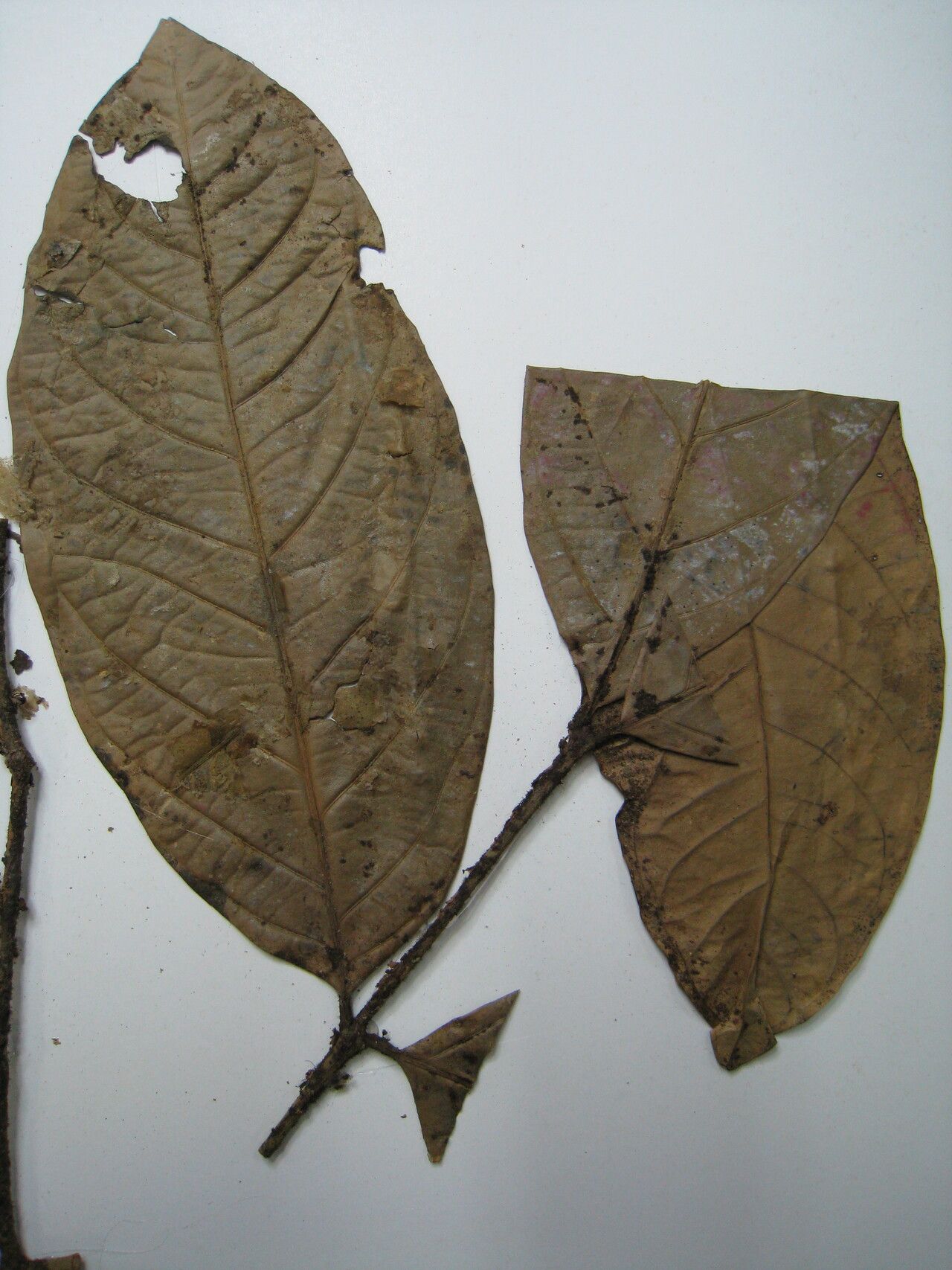
Unlocking the Secrets of Salacia maburensis: A Guide to Propagation
Salacia maburensis, a name that might not roll off the tongue easily, is a plant with immense potential, especially in the world of traditional medicine. Native to the African continent, this climbing shrub is garnering attention for its medicinal properties. But with limited information readily available, even seasoned gardeners might find themselves scratching their heads when it comes to propagating this unique species. Fear not, fellow plant enthusiasts, for we’re diving deep into the world of Salacia maburensis propagation!
Understanding the Plant:
Before we delve into propagation, it’s crucial to understand the plant. Salacia maburensis thrives in tropical climates, embracing humid environments and well-drained soils. Knowing the plant’s preferences provides a foundation for successful propagation.
Methods of Propagation:
Currently, research on Salacia maburensis propagation is limited. However, based on its botanical family (Celastraceae) and its growth habit as a climbing shrub, we can deduce a few propagation methods that hold promise:
Seed Propagation: While information on seed viability and germination rates is scarce, propagating from seeds can be an exciting endeavor.
- Source: Obtain seeds from reputable sources or collect them from mature fruits, ensuring they are properly cleaned and dried.
- Germination: Plant the seeds in a well-draining seed starting mix, keep them consistently moist, and provide warmth. Be patient; germination might take longer than expected.
Stem Cuttings: This method replicates the success seen in propagating other members of the Celastraceae family.
- Timing: Take cuttings during the plant’s active growing season, ideally in spring or early summer.
- Preparation: Select healthy stems, ideally with some new growth. Remove lower leaves and treat the cut end with a rooting hormone to encourage root development.
- Planting: Place the cuttings in a well-draining potting mix and maintain a humid environment. A humidity dome or covering with a plastic bag can be beneficial.
- Air Layering: While not extensively documented for Salacia maburensis, air layering can be another viable approach, especially for more mature plants.
- Process: This method involves wounding a healthy stem and encouraging root development while still attached to the parent plant. Once sufficient roots form, the layered section can be separated and planted.
Tips for Success:
Regardless of the propagation method you choose, these tips can significantly increase your chances of success:
- Patience is Key: Don’t be disheartened if you don’t see results overnight. Propagating Salacia maburensis might require patience and persistence.
- Ideal Environment: Mimic the plant’s natural environment as closely as possible. Provide warmth, humidity, and well-draining soil.
- Research and Observe: As more research emerges on Salacia maburensis propagation, stay updated and adapt your techniques accordingly. Observe your plants closely and learn from your experiences.
A Rewarding Endeavor:
Successfully propagating Salacia maburensis can be incredibly rewarding. Not only are you contributing to the conservation of this valuable plant, but you’re also opening doors to further research and understanding of its medicinal potential. So, embrace the challenge, explore the different propagation methods, and unlock the secrets of Salacia maburensis!