
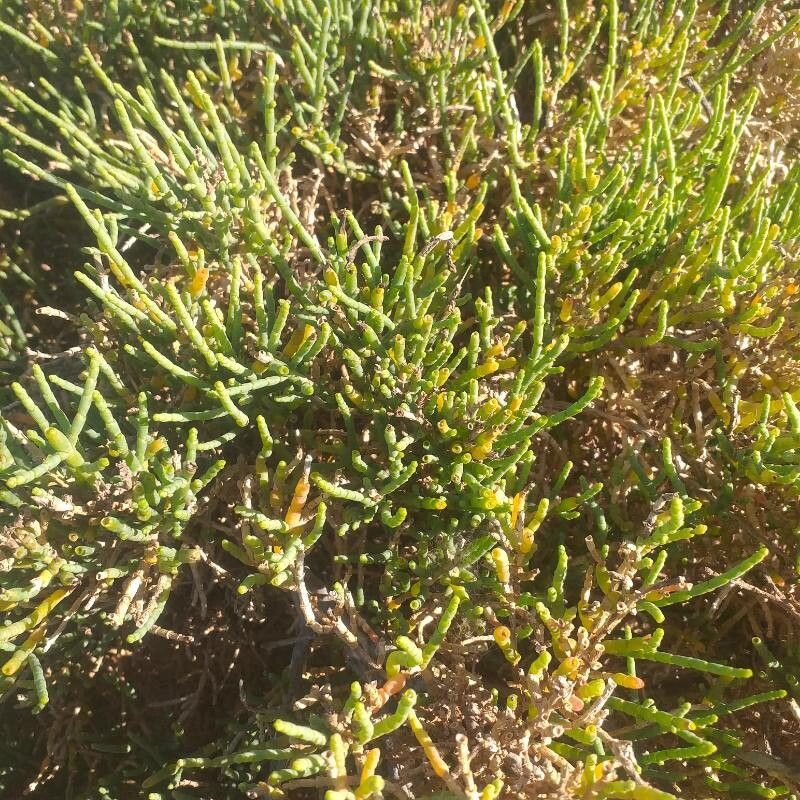
From Sea to Seed: Propagating the Unique “Sea Asparagus”
The world of plants offers a dazzling array of textures, shapes, and colors. But have you ever encountered a plant that looks like a miniature succulent with a unique salty taste? This, my friends, is Salicornia alpini, more commonly known as “sea asparagus.” This fascinating succulent, a member of the glasswort family, thrives in coastal environments and is a true gem for any garden enthusiast. But what about propagating these intriguing little plants? Let’s dive into the world of sea asparagus propagation!
The Magic of Seeds
Salicornia alpini is a master of seed production, a marvel of nature’s ingenuity. Its small, egg-shaped seeds are dispersed by the wind and can remain viable for years, waiting for the perfect moment to germinate.
Propagating from Seed
For the eager gardener, seed propagation is the most common and accessible method for growing sea asparagus. Here’s a step-by-step guide:
Collecting Seeds: The best time to collect seeds is after the plant has flowered and the stems turn a reddish-brown. Gently shake the stems over a container to collect the tiny seeds.
Sowing the Seeds: Sea asparagus prefers a sunny location with well-drained soil. A seed tray or pots filled with a mixture of sand and potting soil will provide the optimal growing environment. Sprinkle the seeds on the surface and lightly press them into the soil, avoiding burying them deeply.
Watering and Humidity: Maintain consistent moisture, misting the soil regularly to keep it moist. A humidity dome or plastic wrap can help maintain optimal humidity for germination.
- Patience is Key: Patience is key when it comes to sea asparagus seeds. Germination can take several weeks, sometimes up to a month or more.
Embrace the Power of Cuttings
While seed propagation is a reliable method, you can also choose the slightly quicker route of vegetative propagation. The key to success with cuttings? Mimicking the natural environment in which Salicornia alpini thrives.
The Right Time: The best time for cuttings is in the spring, when the plant is actively growing.
Cuttings Preparation: Select a stem that is at least four inches long and cut it just below a node, which is the point where a leaf or branch grows.
Planting and Care: Dip the cut end of the stem in a rooting hormone (optional) and plant it directly into a pot with a well-draining medium. Keep the soil consistently moist, but not soggy, and place the pot in a bright location, but not in direct sunlight.
Patience and Triumph: Cuttings will take a few weeks to develop roots, but with proper care, you will soon witness leafy growth.
A Few Crucial Notes:
Salicornia alpini* is a halophyte, meaning it thrives in salty environments. If you live in a coastal region, consider supplementing your soil with a small amount of sea salt to mimic its natural habitat.
- While Salicornia alpini is relatively drought-tolerant, consistent moisture is vital, especially in the initial stages of growth. Be vigilant with watering, but avoid overwatering, as this can lead to root rot.
The Bounty of Homegrown Sea Asparagus
Whether you choose the seed or cutting method, propagating your own Salicornia alpini is a rewarding experience. This unusual plant adds a touch of coastal charm to your garden while providing a unique, salty, and delicious addition to your culinary repertoire. So, grab your gardening gloves, embrace the salty thrill of sea asparagus propagation, and enjoy the unique flavors from your very own patch!