
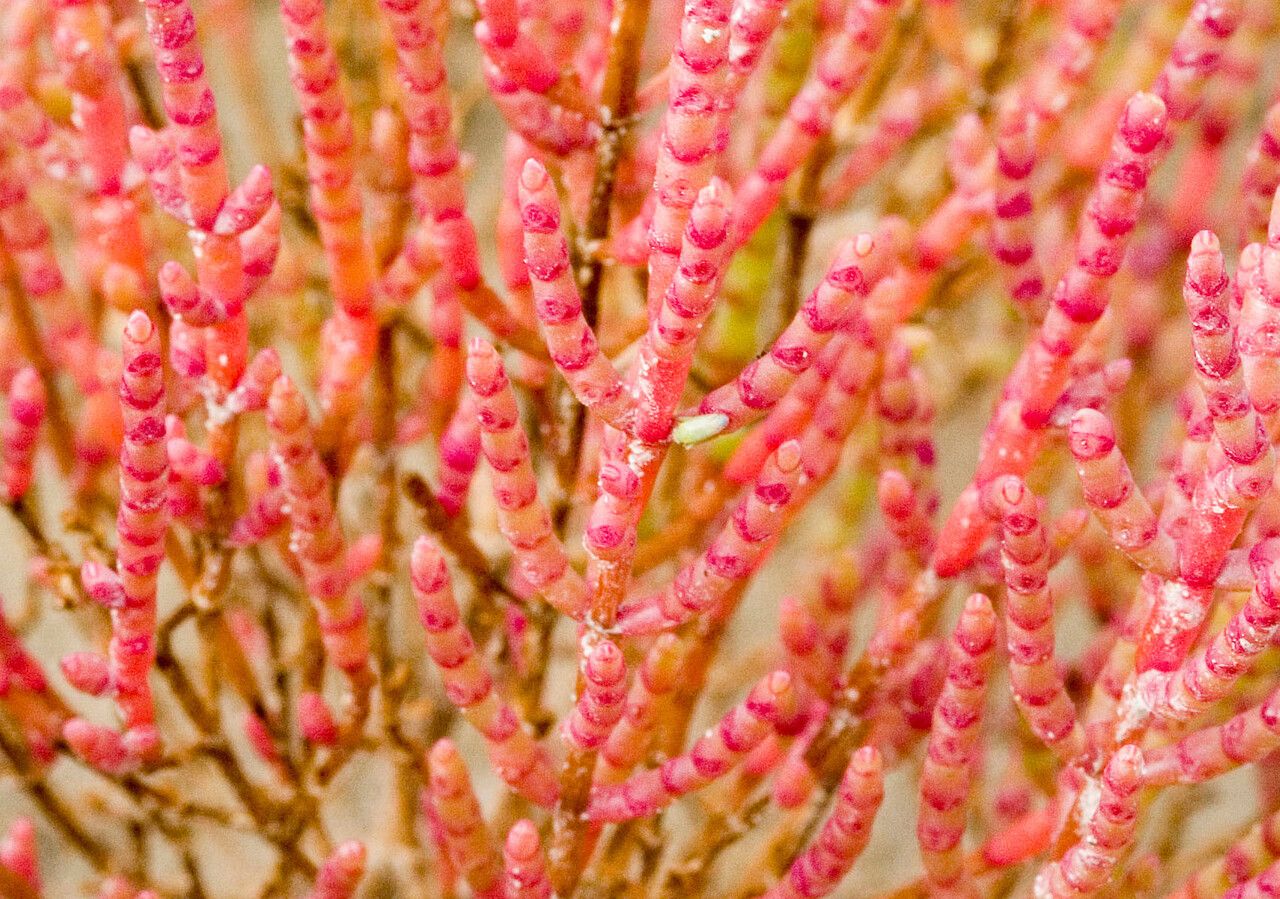
From Salt Marsh to Your Garden: How to Propagate Salicornia procumbens (and Enjoy Its Unique Delights)
Salicornia procumbens, also known as “glasswort” or “pickleweed,” is a fascinating plant with a unique charm. It’s a succulent that thrives in coastal salt marshes, adding a splash of vibrant green to the landscape. But did you know you can bring this intriguing plant into your own garden? While propagation might sound intimidating, Salicornia can be easily grown from cuttings, offering a rewarding experience for any gardener.
Why Propagate Salicornia procumbens?
Firstly, it’s a beautiful and unique plant! Its fleshy, green stems resemble miniature asparagus stalks, adding a distinctive texture and color to your garden. Secondly, Salicornia is a culinary delight, boasting a salty, briny flavor that pairs perfectly with seafood dishes or salads. Thirdly, it’s known for its resilience, thriving in harsh conditions and requiring minimal care.
The Art of Salicornia Propagation: A Step-by-Step Guide
1. Timing is Key: The best time to propagate Salicornia is during the spring or summer months when growth is active.
2. Selecting the Cuttings:
- Choose healthy, non-flowering stems with a vibrant green color.
- Cuttings should be around 4-6 inches long, ensuring at least two sets of nodes (where leaves emerge).
3. Preparing the Cuttings:
- Remove the bottom leaves from the cuttings, exposing the node below.
- Dip the cut end in root hormone powder or gel to encourage root development.
4. Planting the Cuttings:
- Use a well-draining potting mix specifically designed for succulents.
- Place the cuttings in a pot or tray, ensuring that the node is buried in the soil.
- Water gently, allowing the soil to drain completely.
5. Providing Ideal Conditions:
- Salicornia thrives in bright, indirect sunlight. Avoid direct sunlight, which can burn the leaves.
- Maintain a consistent moisture level, allowing the top layer of soil to dry out slightly between waterings.
- Remember, it’s a salt-loving plant! So, you can add a pinch of sea salt to the water every few waterings, emulating its natural habitat.
6. Patience is a Virtue:
- It can take a few weeks for the cuttings to establish roots and start growing new stems.
- Don’t be discouraged if you don’t see immediate results.
7. Transplanting to a Larger Pot or Garden:
- Once the cuttings have developed a strong root system, you can transplant them into larger pots or directly into the garden.
- Choose a location with well-draining soil and partial shade to full sun.
8. Enjoying Your Salicornia:
- Once established, Salicornia is a low-maintenance plant.
- Water regularly, particularly during hot weather, making sure the soil doesn’t become waterlogged.
- Harvest the stems when they are tender and succulent, typically in the summer months.
Salicornia: More Than Just a Plant
Beyond its culinary uses and aesthetic appeal, Salicornia plays a vital role in coastal ecosystems. It helps stabilize soil, prevents erosion, and provides food and habitat for various wildlife. Propagating and growing Salicornia not only brings beauty and flavor to your garden but also contributes to a sustainable and balanced ecosystem.
So, why not embark on your journey with this fascinating plant? From the salt marsh to your garden, Salicornia procumbens is a rewarding experience waiting to be explored.