
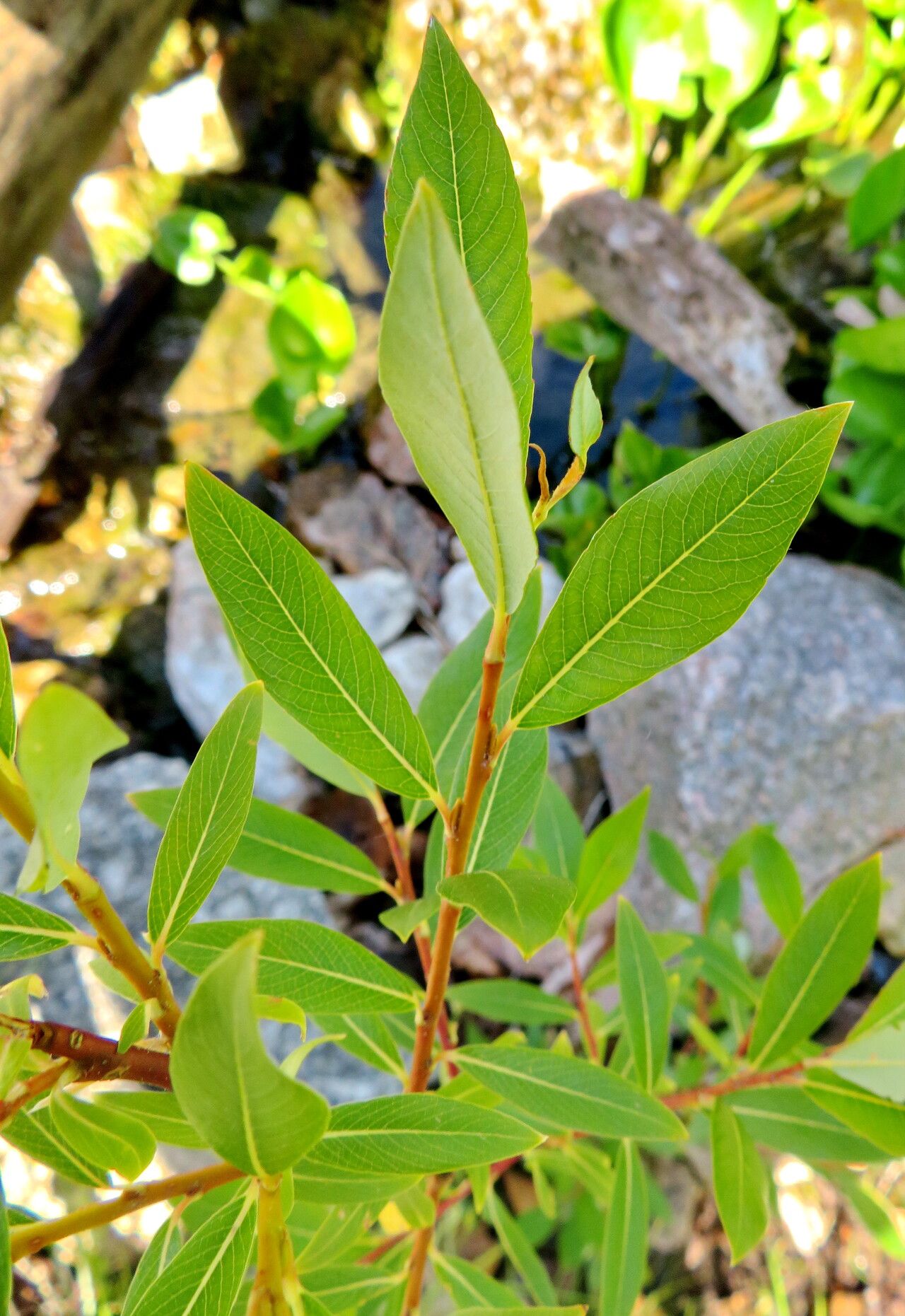
Propagating Salix arbusculoides: A Guide to the Downy Willow
Introduction:
Salix arbusculoides, commonly known as the downy willow, is a delightful, small-growing willow species prized for its attractive, downy young shoots and its tolerance of diverse conditions. Its compact habit makes it a valuable addition to gardens, particularly smaller spaces, and its early flowering provides an important source of nectar for pollinators. While relatively less common in cultivation than some other willows, its unique characteristics and adaptability have garnered increasing popularity among gardeners seeking a low-maintenance but visually appealing shrub. Its propagation, however, presents some unique challenges that require specific techniques.
Seed Germination:
Currently, there are no known reliable methods for seed germination propagation of Salix arbusculoides. Willow seeds generally have a very short viability window and require precise conditions for germination, which have not been successfully replicated for this specific species. The tiny seeds easily lose viability unless sown immediately after collection, adding to the difficulty.
Cuttings:
Cuttings represent the most reliable and widely used method for propagating Salix arbusculoides.
Challenges: While generally successful, the timing of the cuttings is crucial. Using incorrect wood (too young or too old) can reduce success rates.
Practical Tips: Hardwood cuttings, taken in late autumn or winter from mature, dormant wood, are recommended. Cuttings should be 10-15 cm long, with a clean cut at the base. Dip the cut end in a rooting hormone to stimulate root development. Plant the cuttings in a well-draining, moist medium such as a mix of peat moss and perlite, ensuring at least one node is buried. Keep the medium consistently moist but not waterlogged. A propagator or plastic covering will help maintain humidity.
- Rewards: Cuttings offer a simple, relatively quick method of propagating exact clones of the mother plant, preserving desirable characteristics. It is the most accessible technique for home gardeners.
Division:
Division is rarely a practical option for propagating Salix arbusculoides. This species typically forms a single, relatively compact root system, making it difficult to divide without severely damaging the plant.
Tissue Culture:
Tissue culture offers the potential for large-scale propagation of Salix arbusculoides, allowing for the creation of many identical plants from a small amount of source material.
Challenges: Tissue culture requires specialized equipment, aseptic conditions, and a high level of technical expertise. It’s not a feasible option for home gardeners.
Practical Tips: This method requires specialized knowledge and laboratory facilities. The success rate depends on factors like the selection of explant material, growth media composition, and the control of environmental conditions (light, temperature, humidity).
- Rewards: This method offers the opportunity for large-scale production of genetically uniform plants and offers potential for disease elimination.
Conclusion:
Propagating Salix arbusculoides presents certain obstacles, primarily related to the difficulty of seed germination. The most reliable and accessible method for the average gardener is taking hardwood cuttings in late autumn or winter. While tissue culture offers potential for large-scale propagation, its complexity makes it largely unsuitable for home gardeners. The rewards, however, are significant. Successfully propagating this charming willow, whether through cuttings or other less common methods, brings a unique sense of satisfaction stemming from overcoming the challenges and observing the growth of new plants from cuttings or tissue. The patience and care invested are rewarded with the beautiful addition of a healthy downy willow to your garden, a testament to the gardener’s skill and dedication. With a little persistence and the right technique, even the novice propagator can successfully add these beautiful plants to their collection.