
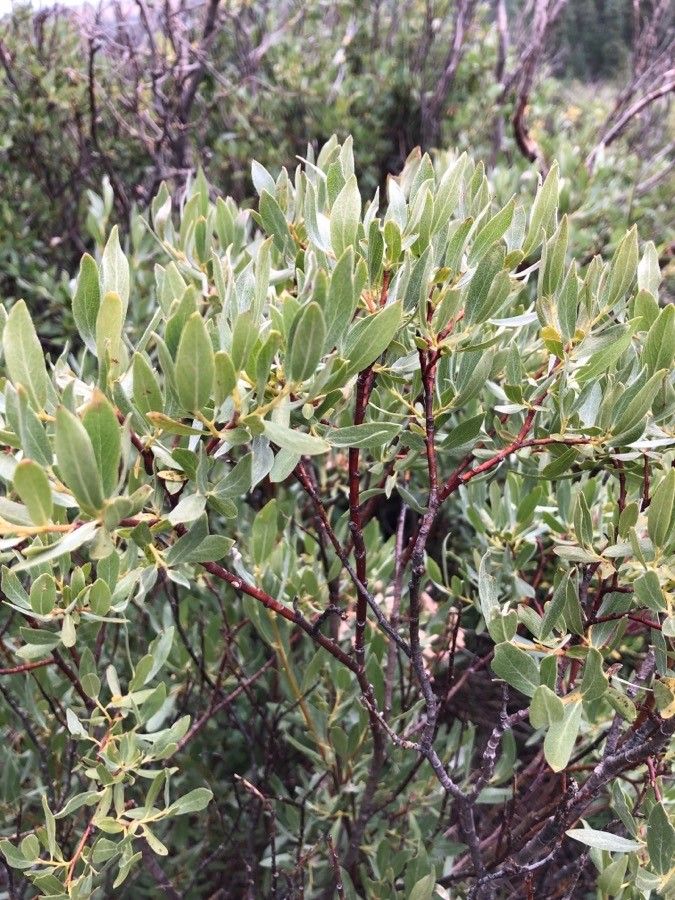
Propagating Salix drummondiana: Challenges and Rewards of Cultivating Drummond’s Willow
Introduction:
Salix drummondiana, commonly known as Drummond’s willow, is a striking willow species prized for its graceful weeping habit and attractive silvery foliage. Native to western North America, it’s a relatively uncommon but increasingly popular choice among gardeners seeking a unique addition to their landscape. Its tolerance of various soil conditions and its adaptability to different climates contribute to its rising popularity. However, propagation presents certain challenges, and the methods discussed below offer varying degrees of success.
Seed Germination:
Currently, there are no known reliable methods for seed germination propagation of Salix drummondiana. While willows generally produce seeds, the germination rate for Salix drummondiana is reported to be extremely low, likely due to a combination of factors including short seed viability and specific environmental requirements. Further research is needed to determine if successful germination is even possible under controlled conditions.
Cuttings:
This is the most reliable method for propagating Salix drummondiana.
Challenges: The success of cutting propagation depends on timing and technique. Hardwood cuttings taken in late autumn or dormant wood cuttings taken in winter have the highest success rate. Improper hygiene can lead to fungal infections.
Practical Tips: Take 6-12 inch long cuttings from healthy, mature stems. Remove the lower leaves and dip the cut ends in rooting hormone before planting in a well-draining medium such as a mixture of perlite and vermiculite. Maintain a consistently moist environment, ideally with bottom heat, to promote rooting. Misting regularly is crucial.
Rewards: Cuttings offer a relatively quick and reliable method to produce genetically identical plants. This is beneficial for maintaining desirable traits within a cultivar. It’s also a cost-effective method for large-scale propagation.
Division:
Division is a viable method but restricted by the plant’s growth habit.
Challenges: Drummond’s willow doesn’t naturally produce many suckers or readily divisible clumps. Care must be taken to avoid damaging the root system when attempting division. Successful division requires mature, established plants with a well-developed root system.
Practical Tips: Division should be attempted in early spring or autumn. Carefully dig up the plant, separating it into smaller crowns, each with its own healthy roots and shoots. Replant the divisions immediately, ensuring that the roots are not disturbed excessively.
Rewards: Division is a relatively simple and rapid way to propagate a limited number of plants from existing mature specimens. It can be suitable for smaller-scale propagation within a garden setting.
Tissue Culture:
While potentially effective, tissue culture for Salix drummondiana is not commonly practiced.
Challenges: Establishing a sterile laboratory environment and acquiring the specialized knowledge and equipment required for tissue culture can be costly and challenging. Developing the optimal growth media and protocols for this specific species would require significant research and experimentation.
Practical Tips: Specialized laboratories with experience in willow propagation would be needed. The process would involve sterilizing plant material, culturing it on appropriate media, and subsequently transferring plantlets to rooting media for further growth.
Rewards: Tissue culture offers the possibility of rapid and large-scale propagation, potentially producing disease-free plantlets. Genetic fidelity can be maintained, allowing for the mass production of specific cultivars.
Conclusion:
Propagating Salix drummondiana presents unique challenges, with cuttings providing the most readily achievable success. While seed germination is unlikely, division serves as a viable option for small-scale propagation, and tissue culture offers a powerful but more complex alternative. The rewards of mastering any of these techniques, however, are significant. The unique grace and beauty of this willow, combined with the satisfaction of overcoming the propagation difficulties, make cultivating Drummond’s willow a rewarding endeavor for the dedicated gardener. Don’t be discouraged by initial setbacks; persistent experimentation and patience will eventually yield success. Embrace the learning process, and enjoy the beauty of your propagated Drummond’s willows.