
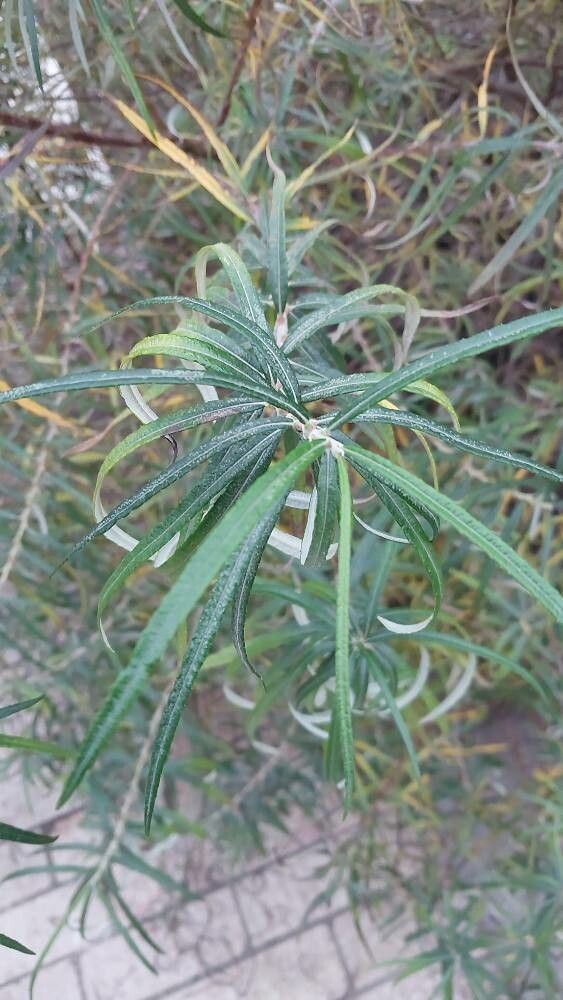
From Snipping to Sprouting: Propagating the Elegant Salix Elaeagnus
The Salix elaeagnus, commonly known as the “Narrowleaf Willow,” is a beautiful and versatile plant that can add a touch of natural elegance to any landscape. But beyond its aesthetic appeal, the willow’s adaptability extends to its propagation. This article will guide you through the simple yet fascinating process of propagating the Salix elaeagnus, allowing you to cultivate this graceful plant from cuttings.
Why Propagate?
Propagating your own Salix elaeagnus plants offers several advantages:
- Cost-effective: Instead of purchasing mature plants, you can readily expand your collection or share with others.
- Genetic preservation: Propagating from cuttings ensures the unique characteristics of your specific plant are passed down.
- Greater satisfaction: There’s a special joy in nurturing a plant from a simple cutting into a thriving specimen.
Methods of Propagation
The Salix elaeagnus is readily propagated through two primary methods:
Softwood Cuttings: This method involves taking cuttings from new, tender growth during the spring or early summer. The softwood is still pliable and easily cuts with a sharp knife or pruners.
- Hardwood Cuttings: Taken during the dormant season (late autumn or winter), hardwood cuttings are from mature, hardened wood. These cuttings are more challenging but can still be successful.
Step-by-Step Guide to Softwood Propagation
Choose the Cutting: Select healthy, disease-free stems with an abundance of leaves. The ideal cutting length is about 6-8 inches, with several leaf nodes.
Prepare the Cuttings: Using a sharp knife or pruners, make a clean cut just below a leaf node. Remove the leaves from the bottom inch or two of the cutting.
- Dip in Rooting Hormone: This step is optional but can significantly improve rooting success.
- Plant the Cutting: Insert the cutting into a pot filled with a well-draining rooting mix. Ensure the bottom leaf node is buried in the soil.
- Water and Care: Keep the soil consistently moist, but not soggy. Choose a location with indirect sunlight (morning sun is ideal).
- Monitor and Transplant: Once roots have developed, typically within 4-6 weeks, you can gently tug on the cutting to feel resistance. Transplant into a larger container or directly into the ground.
Tips for Success
- Timing is Key: The success of propagation depends significantly on the ideal time for taking cuttings, with softwood cuttings showing better results.
- Sharp Tools: Sharp knives or pruners ensure clean cuts, reducing the risk of bacterial infections.
- Rooted in Moisture: Maintaining consistent moisture in the soil is crucial for root development, while avoiding overwatering and ensuring good drainage.
Beyond the Garden
The Salix elaeagnus, with its fast growth and adaptability, is not just a beautiful addition to your garden but also plays an essential role in ecological balance. This willow is particularly effective in shoreline stabilization, erosion control, and providing habitat for wildlife.
Propagating this versatile plant is an easy and rewarding task that contributes to a sustainable future. So, grab your pruners, take a cutting, and enjoy the joy of nurturing the Salix elaeagnus from a snip to a sprouting sapling.