
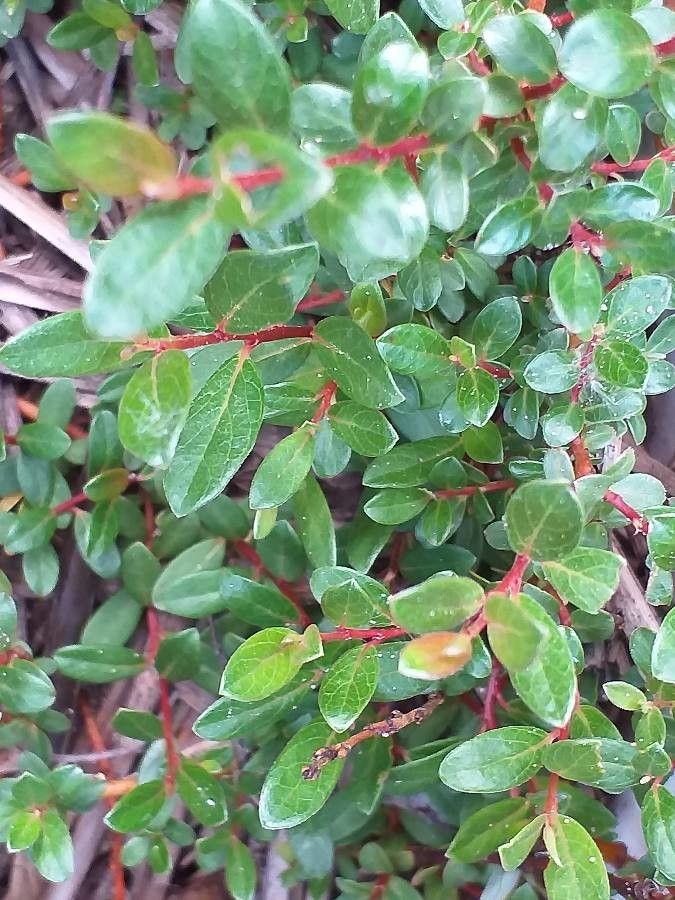
Propagating Salix × finnmarchica: A Guide to Cultivating the Finnish Willow
Introduction:
Salix × finnmarchica, commonly known as the Finnish Willow or Finnish Lappland Willow, is a robust and fast-growing hybrid willow prized for its exceptional hardiness and adaptability. Its vigorous growth makes it a popular choice for erosion control, windbreaks, and even basket weaving. Its attractive, silvery-grey foliage provides year-round interest in the garden. However, its hybrid nature presents unique challenges when it comes to propagation, influencing the success rate of different methods.
Seed Germination:
Currently, there are no known reliable methods for seed germination propagation of Salix × finnmarchica. As a hybrid, it often exhibits reduced fertility, producing little to no viable seed. Even if seeds are produced, germination rates are extremely low, making seed propagation impractical for most gardeners.
Cuttings:
Cuttings are the most reliable and widely used method for propagating Salix × finnmarchica.
- Challenges: While successful, achieving a high success rate requires attention to detail. The timing of cutting collection and the provision of optimal rooting conditions are crucial.
- Practical Tips: Hardwood cuttings taken in late autumn or winter, after leaf drop, generally yield the best results. Cuttings should be 10-15cm long, with a basal cut made just below a node. Dipping the cut end in rooting hormone can improve success. Plant cuttings in a well-draining medium, such as a mix of sand and peat, keeping them moist but not waterlogged. A propagator or humidity dome can significantly enhance rooting success.
- Rewards: Cuttings offer a relatively simple and inexpensive method to produce genetically identical clones of the parent plant, ensuring consistent quality and characteristics. This method is ideal for large-scale propagation efforts.
Division:
Division is another viable propagation method, though less commonly used than cuttings.
- Challenges: Division requires an established, mature plant with sufficient root mass to allow for splitting. Improper division can damage the plant and reduce its vigor.
- Practical Tips: Division is best performed in early spring or autumn. Carefully dig up the entire plant, ensuring minimal root disturbance. Divide the root ball into sections, each containing several stems and a good portion of root system. Replant the divisions immediately, ensuring adequate watering.
- Rewards: Division can be a quick way to multiply a desirable plant, particularly if it’s already established in the garden. It offers a reliable method when starting with a limited number of plants.
Tissue Culture:
Tissue culture offers another approach, though it requires specialized equipment and expertise.
- Challenges: Tissue culture is a complex and technically demanding method requiring sterile conditions and a deep understanding of plant tissue culture techniques. It is expensive to set up and maintain.
- Practical Tips: This method necessitates a laboratory environment with sterile conditions, specific media formulations, and skilled personnel. The process involves sterilizing plant material, culturing it on a suitable nutrient medium, and subsequently transferring the plantlets to acclimatization conditions.
- Rewards: Tissue culture allows for large-scale propagation of disease-free plants and offers the potential for genetic improvement through selection and manipulation.
Conclusion:
Propagating Salix × finnmarchica presents unique challenges, primarily due to its hybrid nature. While seed germination is largely unsuccessful, cuttings offer a reliable and accessible method for most gardeners. Division works well for established plants, and tissue culture presents a high-tech option for larger-scale propagation or genetic improvement. The reward of successfully propagating this hardy willow—whether by cuttings, division, or the more advanced tissue culture—is deeply satisfying. Overcoming the challenges, whether it’s nurturing tiny cuttings to robust saplings or mastering the intricacies of tissue culture, adds a layer of accomplishment to the joy of cultivating this striking and resilient plant. Don’t be discouraged by the difficulties; the satisfaction of seeing your propagated Finnish Willow thrive is well worth the effort.