
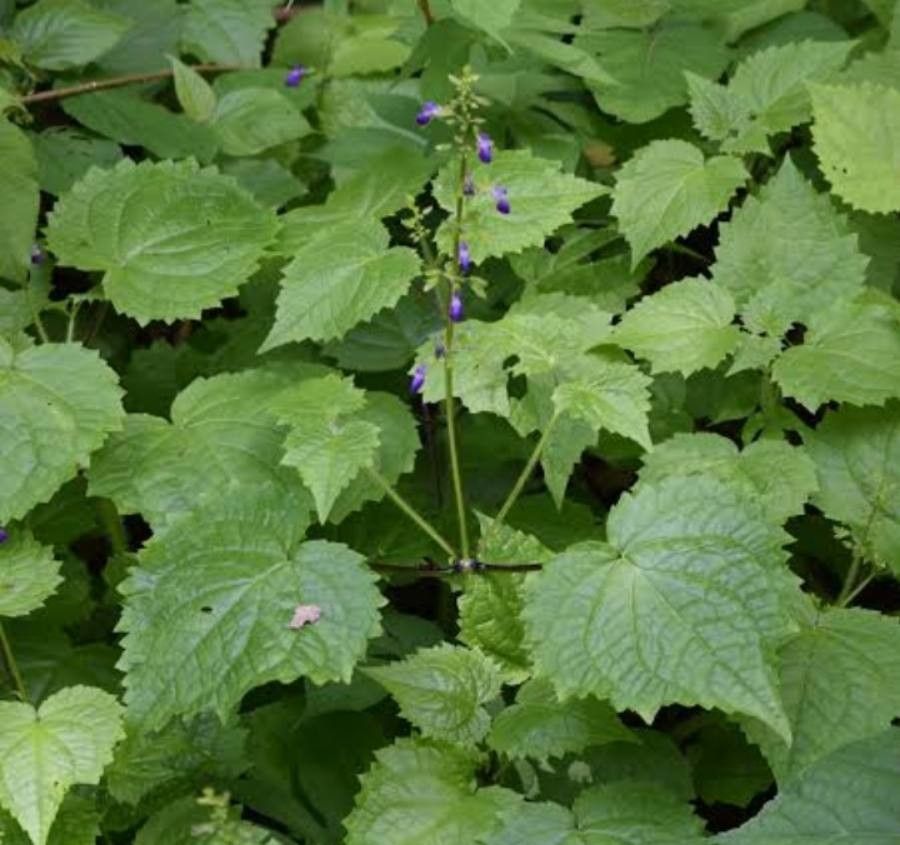
Unlock the Secrets: Propagating the Beautiful Salvia acerifolia
The world of gardening offers endless opportunities to connect with nature and cultivate beauty right in your backyard. And while some might think it requires a green thumb, propagating your own plants is a rewarding endeavor even for beginners. Today, we’re diving into the captivating world of Salvia acerifolia and uncovering the secrets to propagating this stunning plant, adding a touch of its unique charm to your garden.
Salvia acerifolia: A Closer Look
Native to Mexico, Salvia acerifolia, also known as the Maple-Leaved Sage, is a captivating shrub cherished for its captivating beauty and resilience. Its vibrant violet-blue flowers grace the landscape from summer to fall, attracting pollinators and infusing your garden with life. The foliage itself is equally appealing, boasting distinctly maple-shaped leaves that add a touch of elegance to any setting.
Propagation Methods: Choosing Your Approach
Propagating Salvia acerifolia is achievable through two primary methods:
1. Seed Propagation:
- Best Time: Spring
- Process:
- Collection: Harvest mature seeds from dried flower spikes.
- Sowing: Sow seeds directly in a seed tray filled with well-draining seed-starting mix, lightly pressing them into the surface.
- Conditions: Maintain consistent moisture and a warm temperature (around 70°F) for optimal germination, which typically takes 2-4 weeks.
- Transplanting: Once seedlings develop a strong root system and several sets of true leaves, transplant them into individual pots or your garden bed.
2. Stem Cuttings:
- Best Time: Late spring or early summer during active growth.
- Process:
- Selection: Choose healthy, non-flowering stems, ideally about 4-6 inches long.
- Preparation: Remove the lower leaves, leaving 2-3 pairs at the top.
- Rooting Hormone (Optional): Dip the cut end in rooting hormone to encourage faster root development.
- Planting: Plant cuttings in well-draining potting mix, ensuring the leaf nodes where leaves were removed are buried.
- Conditions: Provide consistent moisture and indirect sunlight. Cover the cutting with a plastic bag to create a humid environment.
- Transplanting: After 4-6 weeks, gently tug on the cutting to check for root development. Once roots establish, transplant into larger pots or your garden.
Tips for Success:
- Well-Draining Soil: Salvia acerifolia thrives in well-draining soil. Amend your potting mix with perlite or sand to improve drainage.
- Sunlight Requirements: While this plant enjoys full sun, providing partial shade during the hottest part of the day, especially in warmer climates, is beneficial.
- Watering Wisely: Water deeply but infrequently, allowing the soil to dry slightly between waterings to prevent root rot.
- Fertilization: During the growing season (spring and summer), fertilize lightly with a balanced fertilizer every 4-6 weeks.
Conclusion:
Propagating Salvia acerifolia is a rewarding experience that allows you to expand your garden with this magnificent plant while deepening your connection with the natural world. Whether you choose to sow seeds or take cuttings, following these guidelines will equip you with the knowledge and confidence to propagate successfully. So, embrace the journey, nurture your plants, and revel in the satisfaction of nurturing new life in your garden.