
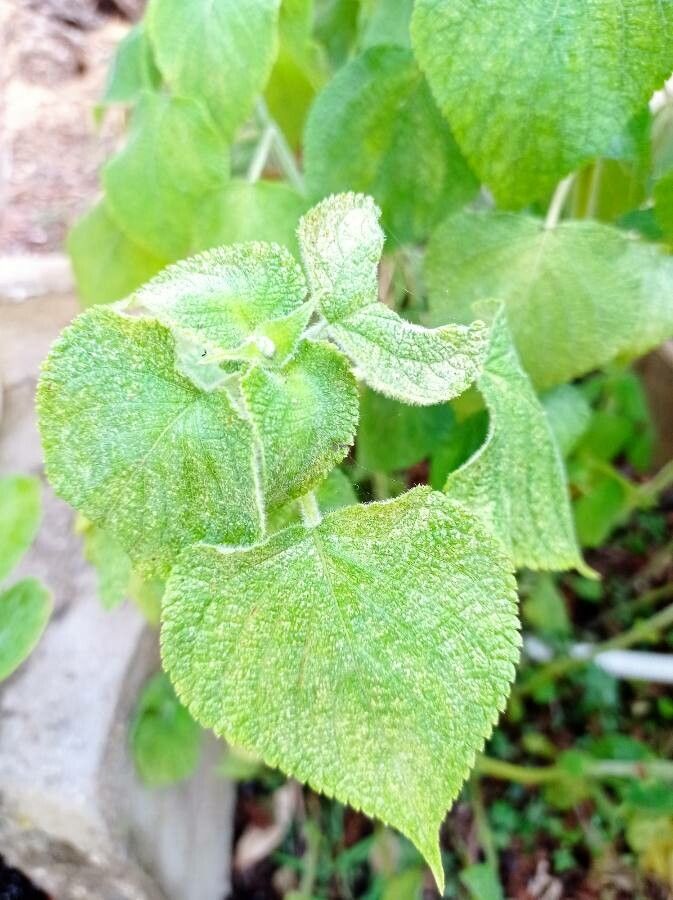
Spice Up Your Garden: Propagating the Vibrant Salvia Cinnabarina
The Salvia cinnabarina, also known as the “Scarlet Sage,” is a captivating plant boasting vibrant, almost neon orange blooms that attract pollinators and brighten any garden. Its unique beauty is matched by its ease of propagation, making it a perfect choice for beginner gardeners and seasoned plant enthusiasts alike.
Whether you’re looking to expand your existing collection or share this stunning plant with friends, mastering the art of propagation allows you to fill your garden with its fiery charm without breaking the bank.
Methods for Propagation:
Salvia cinnabarina can be propagated using several methods, each with its own advantages and considerations:
- Pros: Seeds are readily available and provide numerous plants from a single packet. This method is cost-effective and allows for large-scale propagation.
Cons: Seeds require a longer germination period compared to other methods, and the resulting plants might exhibit some variations in bloom color and size.
- Process: Sow seeds in a seed tray filled with a well-draining seed-starting mix. Lightly cover the seeds with soil and maintain a moist environment. Keep the tray in a warm, sunny location and ensure adequate moisture. Germination typically occurs within 2-4 weeks.
Cuttings:
- Pros: Cuttings offer a faster and more reliable way to reproduce an exact copy of the parent plant. They’re ideal for preserving specific characteristics like flower color or plant habit.
Cons: Cuttings might require slightly more care during the rooting process than seeds.
- Process: Take stem cuttings from healthy, non-flowering shoots. Cut the stems approximately 4-6 inches long with a sharp, clean blade. Remove the lower leaves and dip the cut ends in rooting hormone. Plant the cuttings in a well-draining potting mix and keep them in a bright, warm environment. Regularly mist the cuttings and maintain a high humidity level around them. Rooting typically occurs within 3-4 weeks.
Division:
- Pros: This method allows for the quick and easy expansion of existing plants, ensuring multiple plants with the same genetic material.
Cons: This method is only effective for mature plants and doesn’t provide as many new plants as seed propagation.
- Process: Carefully lift the parent plant from the ground and gently separate its rootball into smaller divisions. Ensure each division has healthy roots and stems before planting them in separate pots or directly into the garden.
Caring for Your Salvia Cinnabarina:
Once your new Salvia cinnabarina plants take root, providing proper care is crucial for their continued growth and vibrant blooms. Here are some tips:
- Sunlight: Choose a spot that receives ample sunlight, ideally at least 6 hours of direct sunlight daily.
- Watering: Maintain a consistently moist soil, but avoid overwatering. Allow the top inch of soil to dry out between waterings.
- Soil: Opt for a well-draining soil mixture to prevent root rot. Adding a layer of mulch around the base of the plants can help retain moisture and regulate soil temperatures.
- Fertilizer: Fertilize your Salvia cinnabarina with a balanced liquid fertilizer monthly during the growing season.
Enjoy the Beauty:
With the right methods and care, propagating your Salvia cinnabarina is a rewarding experience. Soon, your garden will be filled with vibrant, fiery orange blooms, attracting pollinators and delighting your senses. Remember, sharing your propagation knowledge with others is a great way to bring the beauty of this stunning plant to more gardens.