
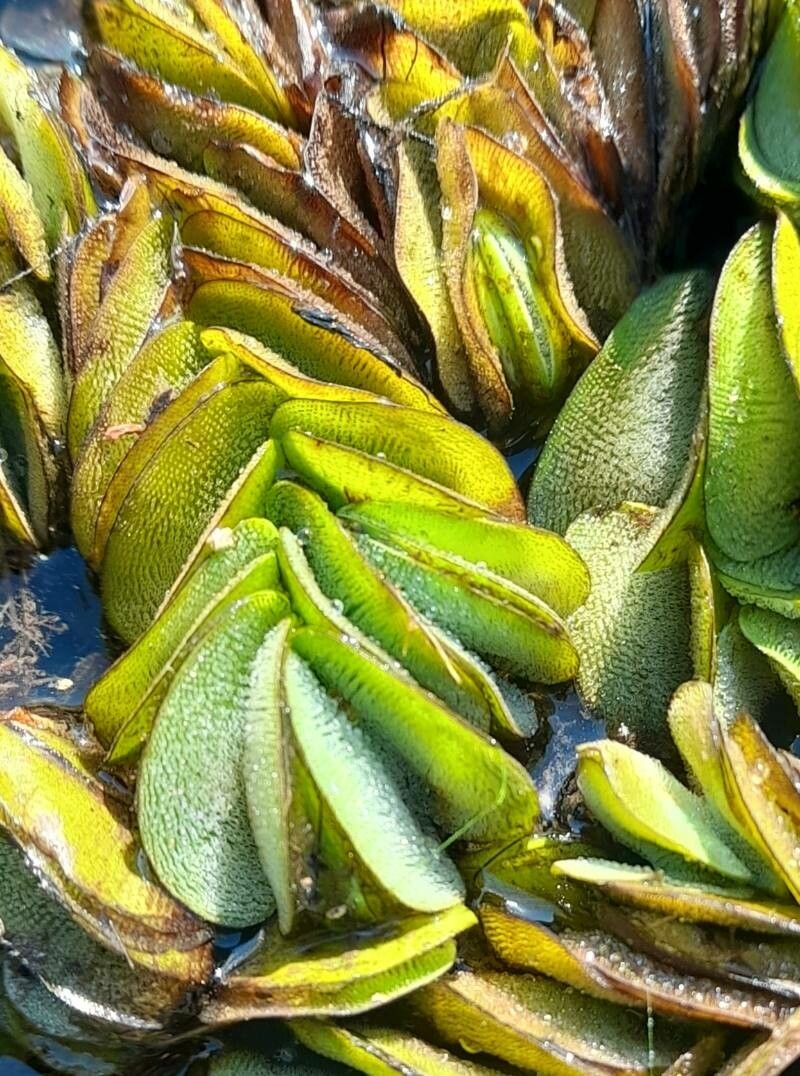
Salvinia Biloba: The Easy-Peasy Plant That Multiplies Itself!
Have you ever wished your houseplants could just magically multiply? Well, dream no more! Salvinia biloba, also known as the Water Spangles or Floating Fern, is a fascinating aquatic plant that does just that. This article will guide you through the simple and rewarding world of propagating Salvinia biloba, so even the greenest of thumbs can enjoy the beauty of this fascinating fern.
Understanding the Magic of Sporeless Reproduction
Unlike most plants that reproduce through seeds or cuttings, Salvinia biloba forgoes the traditional methods altogether. This little fern relies on a process called fragmentation, where a single plant breaks into smaller pieces, each capable of growing into a whole, new plant. This makes Salvinia biloba a fantastic choice for beginners interested in plant propagation, as it’s incredibly easy and often unpredictable.
Starting Your Salvinia Biloba Adventure:
You can easily propagate Salvinia biloba by simply creating your own little “cuttings” from the mother plant. To do this:
- Select healthy, mature plants: Opt for Salvinia biloba that shows robust growth with plenty of green leaves.
- Gently detach portions: Carefully separate a few of the plant’s stems from the main mass. Each stem should have a few leaves for optimal growth.
- Introduce to water: Place your newly detached fragments into a clean container filled with water. A shallow bowl or aquarium works perfectly.
- Provide optimal conditions: Make sure the water is lukewarm and slightly acidic, and add a little bit of plant food for optimal growth. Bright, indirect light is ideal for this fern, but avoid direct sunlight.
Watching the Magic Unfold:
You’ll be amazed at how quickly your Salvinia biloba propagates! Within a week or two, you should start seeing tiny new leaves emerging from the stems. As the plants grow, they will continue to fragment, further increasing their numbers.
Beyond Fragmentation: The Fascinating World of Sporocarps
While fragmentation is the most common way Salvinia biloba reproduces, it also produces tiny, round structures called sporocarps under certain conditions. These “mini pods” contain spores that act like seeds, allowing the plant to reproduce sexually. While these sporocarps are fascinating, they are less common in home aquariums, making propagation through fragmentation the go-to method for most enthusiasts.
Benefits of Propagating Salvinia Biloba:
- Easy and satisfying: Anyone can start a new Salvinia biloba colony thanks to its simple propagation method.
- Rapid growth: Experience remarkable growth rates and observe the intricate processes of plant life firsthand.
- Aquarium delight: Perfect for aquariums, ponds, or simply a decorative bowl, Salvinia biloba adds a touch of lush greenery and natural beauty.
Important Considerations:
- Control: Since Salvinia biloba is a fast-growing plant, regular maintenance is essential to avoid overcrowding. Trim back any excessive growth to keep your container balanced.
- Potential for Overgrowth: While this plant is a delightful addition to any habitat, it can quickly grow out of control if not managed. In some cases, it can even be considered invasive. Constant monitoring is key to enjoying its beauty without detriment to the environment.
Conclusion:
Growing Salvinia biloba is an exciting journey for plant enthusiasts of all levels. Its ability to propagate itself simply by fragmenting makes it an ideal choice for beginners, offering a hands-on way to experience the wonders of nature, right in your own home. Embrace the beauty and ease of this unique fern, and enjoy the magic of watching your own miniature forest bloom!