
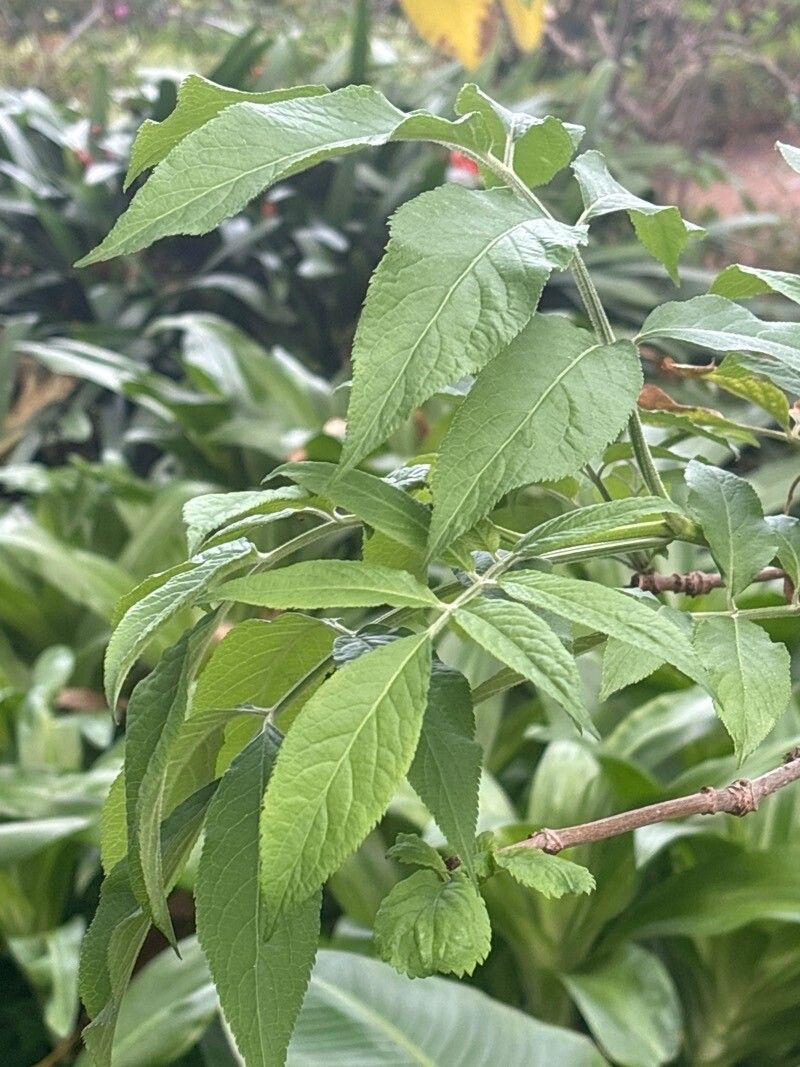
Unveiling the Secrets of Canary Island Elderberry Propagation: A Guide to Growing Sambucus palmensis
The Canary Island Elderberry, scientifically known as Sambucus palmensis, is a fascinating plant with delicate foliage, fragrant blooms, and vibrant berries. This charming evergreen shrub, native to the Canary Islands, adds a touch of exotic beauty to gardens in suitable climates. If you’re eager to welcome this botanical gem into your own backyard, understanding its propagation methods is key to success.
Two Paths to Propagation
While Sambucus palmensis might sound like a mouthful, propagating it is surprisingly straightforward. This versatile species offers two primary methods:
Propagation by Seed: For those who enjoy the journey of nurturing a plant from its very beginnings, seed propagation is a rewarding option.
- Collecting Seeds: Harvest ripe berries in the fall and extract the seeds. Clean them thoroughly by removing any pulp or debris.
- Stratification (Optional): While not strictly necessary, cold stratification can improve germination rates. Mix the seeds with slightly damp vermiculite, seal them in a plastic bag, and refrigerate for 4-6 weeks.
- Sowing: In spring, fill seed trays with a well-draining seed compost. Sow seeds thinly and cover them lightly with compost.
- Patience is Key: Germination can take several weeks or even months. Maintain consistent moisture and warmth.
- Transplanting: Once seedlings develop a few sets of true leaves, carefully transplant them into individual pots.
Propagation by Cuttings: This method provides quicker results and ensures offspring identical to the parent plant.
- Timing is Crucial: Take semi-hardwood cuttings in late summer or early fall.
- Selecting Cuttings: Choose healthy, non-flowering stems that are about 4-6 inches long. Make a clean cut just below a leaf node.
- Preparing the Cuttings: Remove the lower leaves and dip the cut end in rooting hormone powder (optional but recommended).
- Planting: Insert cuttings into pots filled with a well-draining potting mix.
- Creating a Humid Environment: Cover the pots with a plastic bag or humidity dome to retain moisture and encourage rooting.
- Rooting Time: In a few weeks to a couple of months, roots should develop. Gently tug on the cuttings to check for resistance.
- Transplanting: Once rooted, transplant the cuttings into individual pots.
Tips for Success:
- Well-Draining Soil: Sambucus palmensis thrives in well-drained soil. Avoid overwatering, as it can lead to root rot.
- Sunlight Requirements: Provide a location that receives partial shade to full sun.
- Pests and Diseases: Be vigilant about common pests like aphids and spider mites. Treat any infestations promptly.
- Pruning: Prune in late winter or early spring to maintain shape and promote bushier growth.
Reap the Rewards:
With proper care and attention, your propagated Sambucus palmensis will flourish and reward you with its unique beauty. Enjoy the delicate foliage, fragrant blooms, and the satisfaction of nurturing new life from seed or cutting.