
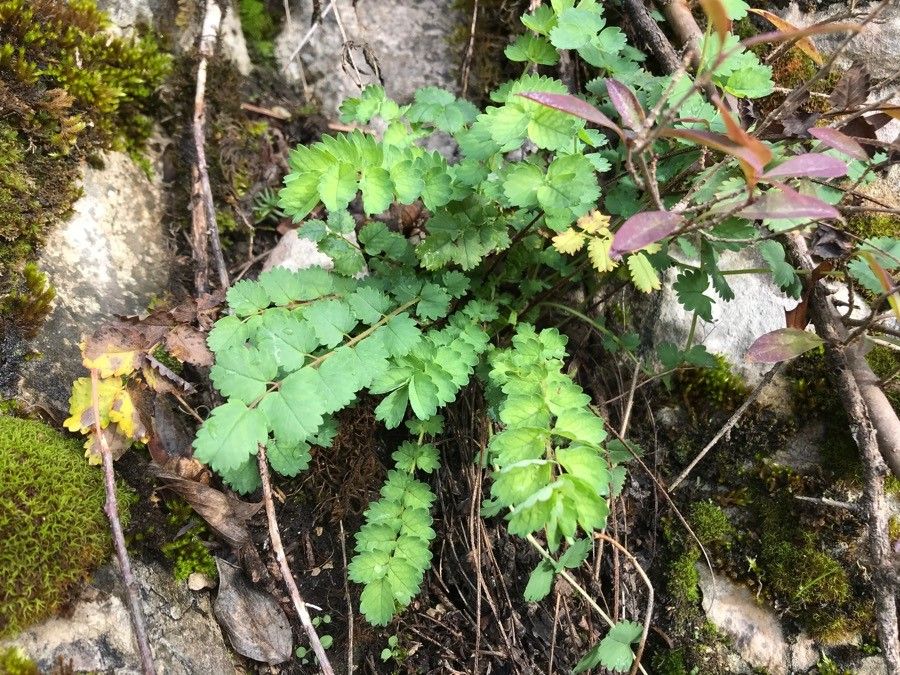
From Tiny Seeds to Lush Abundance: Propagating Sanguisorba Minor (Salad Burnet)
The delightful Sanguisorba minor, commonly known as Salad Burnet, is a culinary and ornamental gem that adds a burst of flavor and visual charm to any garden. And the best part? It’s incredibly easy to propagate! This versatile herb, loved for its tangy, cucumber-like flavor and delicate, pincushion-like blooms, can be readily grown from seed, cuttings, or even division.
Growing from Seed:
For those interested in starting their Salad Burnet journey from scratch, propagation via seed is the way to go. Here’s a guide to initiate this exciting process:
- Timing is Key: Sow seeds directly outdoors in early spring or late summer (depending on your climate). Salad Burnet seeds prefer cool conditions, and germination is usually best when daytime temperatures hover around 65°F.
- Soil Preparation: Prepare a well-drained bed. Salad Burnet thrives in a slightly acidic soil with a pH of 6.0-6.5.
- Sowing Seeds: Scatter the seeds thinly on the surface of the soil, spacing them about 6 inches apart. Gently press them into the soil, but don’t bury them too deeply.
- Consistent Moisture: Keep the soil consistently moist, but avoid overwatering.
- Thinning: Once seedlings emerge, thin them out to about 6 inches apart. This allows each plant to establish its root system and grow to its fullest potential.
Taking Cuttings:
For quicker results, consider propagating Salad Burnet through cuttings. This method allows you to establish new plants faster and retain the exact genetic makeup of your existing plant.
- Cuttings: Choose healthy, non-flowering stems from your existing Salad Burnet plant. Use a sharp knife or pair of shears to make cuttings about 4-6 inches long.
- Preparation: Remove the lower leaves of the stem to create a bare area for root development.
- Rooting Hormone (Optional): Dip the bare area of the cutting in rooting hormone, which stimulates root growth. This is not mandatory, but it can increase the chances of successful rooting.
- Planting: Place the prepared cuttings into a pot filled with a moist rooting mix, such as a mixture of equal parts peat moss and perlite. Keep the cuttings in a bright, indirect light location and consistently moist. Roots will develop in several weeks.
Division:
Another simple propagation method is division. This approach allows you to split a mature Salad Burnet plant into multiple new plants.
- Timing: The best time to divide Salad Burnet is in early spring or late summer.
- Preparation: Gently dig up the entire plant.
- Separation: Carefully separate the plant into multiple sections, ensuring each section has healthy roots and foliage.
- Replanting: Plant each section in a new location, spacing them according to their mature size.
Tips for Success:
- Watering: Salad Burnet prefers moist soil but can tolerate some periods of dryness. Water regularly, especially during hot, dry weather.
- Fertilizing: While Salad Burnet is not a heavy feeder, providing light fertilization in spring can help it thrive.
- Pruning: Pinch off spent flower heads to encourage new growth and prevent self-seeding.
- Pest and Disease: Salad Burnet is generally pest and disease resistant.
Beyond the Garden:
Salad Burnet is a versatile plant with a range of uses beyond aesthetics and flavor. The leaves are an excellent source of vitamin C and can be used in salads, soups, stews, and even sauces. The dried leaves can also be used to make a refreshing tea.
With its ease of propagation and diverse uses, Sanguisorba minor is a wonderful addition to any garden. Whether you choose to grow it from seed, cuttings, or division, enjoy the journey of nurturing this delightful herb and reaping its rewards.