
Unlocking the Secrets of Santiria griffithii: A Propagation Guide for the Intrepid Gardener
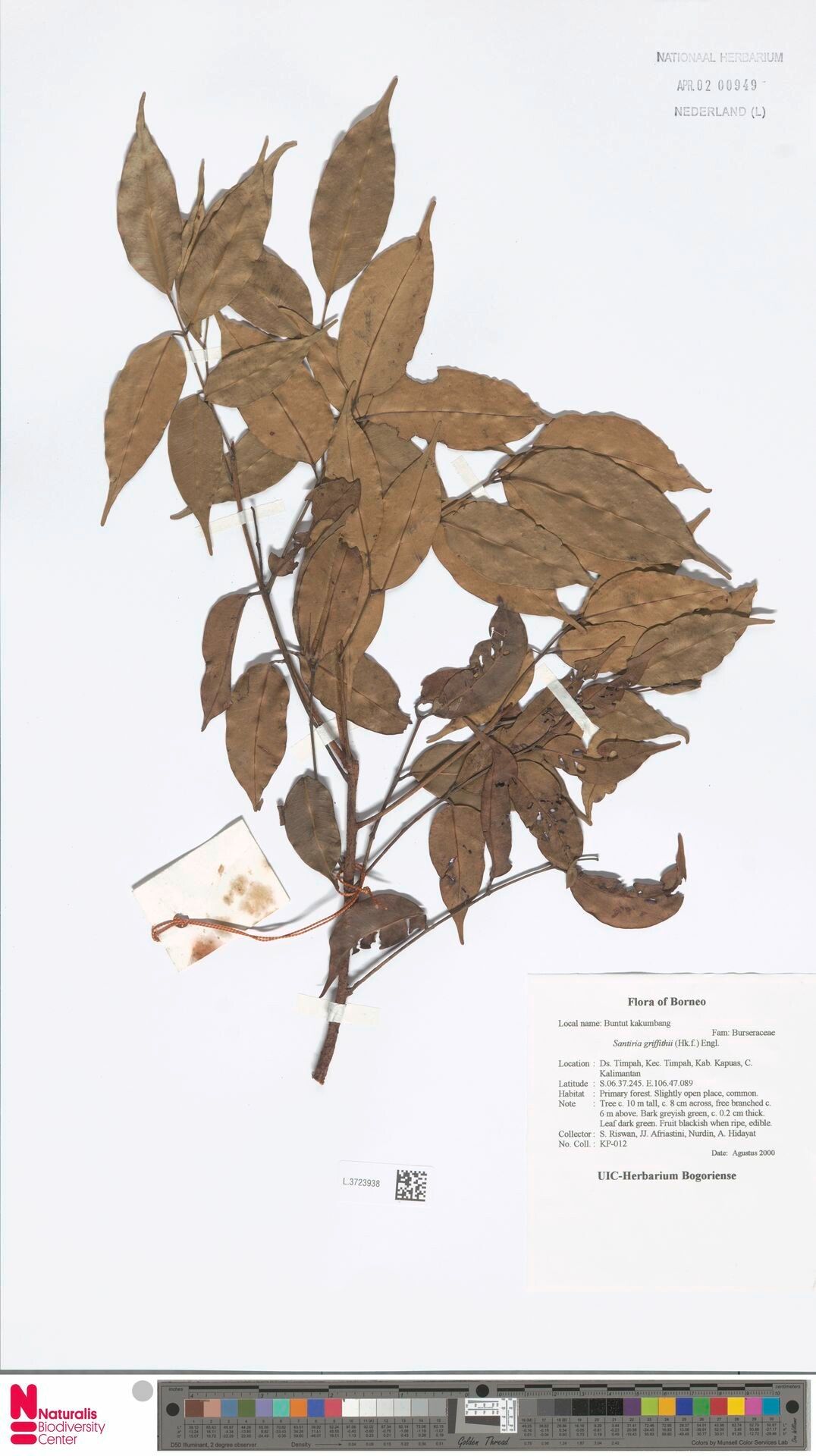
Santiria griffithii, also known as the “Baw tree” or “Pigeon fruit” in its native Southeast Asia, is a fascinating and rewarding plant to cultivate. While its juicy, resinous fruits are a delicacy in some cultures and its timber has practical applications, many are drawn to S. griffithii’s ornamental appeal. Its lush foliage and unique growth habit make it a striking addition to gardens, especially for those seeking something a little off the beaten path.
However, S. griffithii isn’t readily found in nurseries. Propagation is often the key to welcoming this exotic beauty into your garden. While it can be a bit more challenging than propagating common houseplants, don’t let that deter you! With a bit of patience and the right approach, you can successfully grow S. griffithii from seed.
The Power of Patience: Growing Santiria griffithii from Seed:
Seed propagation is the most common method for S. griffithii . Here’s how to do it:
1. Source Your Seeds:
- Freshness is Key: S. griffithii seeds have a short viability period, meaning they lose their ability to germinate quickly. Obtaining fresh seeds, ideally directly from ripe fruits, is crucial for success.
- Online Suppliers: If you don’t have access to fresh fruit, reputable online vendors specializing in exotic seeds can be an alternative.
2. Prepare for Germination:
- Seed Treatment: Soaking the seeds in lukewarm water for 24-48 hours before planting can aid in softening the outer shell and promoting germination.
- Well-Draining Mix: S. griffithii needs a loose and airy medium to thrive. A mix of peat moss, perlite, and vermicast in equal parts works well.
- Container Choice: Choose pots or trays at least 4-6 inches deep to accommodate the developing root systems.
3. Planting the Seeds:
- Sow Seeds Shallow: Plant seeds about half an inch deep in the prepared mix and cover lightly.
- Keep it Humid: Mist the soil surface regularly to keep it consistently moist but not waterlogged. A humidity dome or covering the tray with a plastic bag can help retain moisture.
- Warm and Shaded: Place the seed tray in a warm, shaded location with indirect sunlight. The ideal temperature range for germination is around 75-85°F.
4. The Waiting Game:
- Patience is Key: Germination for S. griffithii can be slow and unpredictable. It can take anywhere from a few weeks to several months for seedlings to emerge.
- Don’t Give Up: Even if you don’t see sprouts immediately, continue to provide proper care and humidity.
5. Transplanting Seedlings:
- Signs of Growth: Once seedlings develop a couple of sets of true leaves and are a few inches tall, they are ready to be transplanted into individual pots.
- Handle with Care: Be gentle when transplanting, as the root systems of young seedlings can be delicate.
- Gradual Acclimation: Introduce your young S. griffithii plants to brighter light gradually to prevent sunburn.
Nurturing Your Santiria griffithii:
- Light: Provide bright, indirect light to established plants.
- Water: Keep the soil consistently moist but avoid overwatering, which can lead to root rot.
- Humidity: S. griffithii enjoys humid conditions. Regular misting or placing the pot on a pebble tray filled with water can help increase humidity.
- Fertilizer: Feed with a balanced liquid fertilizer diluted to half strength every 4-6 weeks during the growing season.
Propagating S. griffithii is a rewarding journey for those with a passion for unusual plants. It requires patience and a little extra care, but the result of having this unique Southeast Asian native grace your garden is well worth the effort. So, gather your seeds, flex your green thumb, and embark on the adventure of growing your own Santiria griffithii!